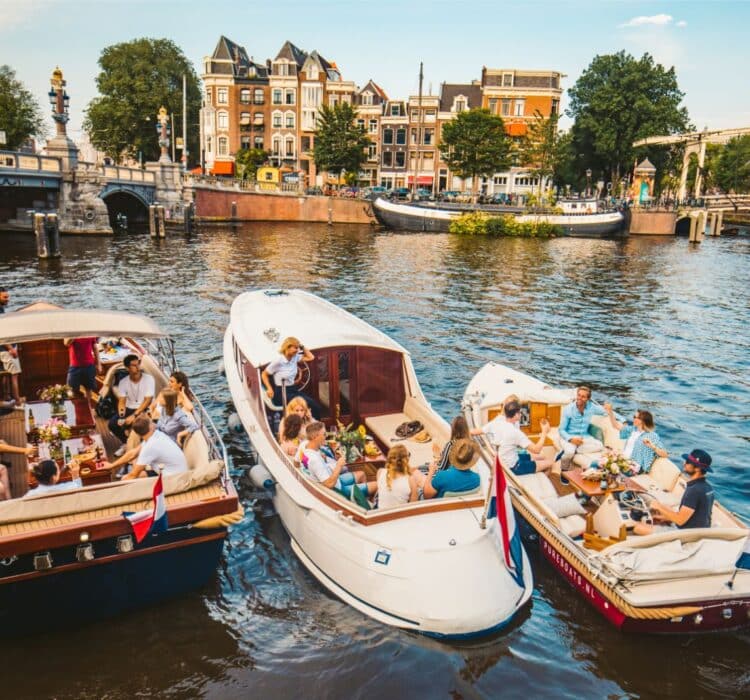
The best recommendations for a day trip to Amsterdam include arriving early to explore the Jordaan and De Pijp neighborhoods, timing a canal cruise for late morning or golden hour, and prioritizing authentic local experiences over crowded tourist attractions. With strategic planning, you can experience the city’s UNESCO heritage canals, world-class museums, and genuine Dutch culture in a single memorable day.
Amsterdam rewards visitors who venture beyond the obvious landmarks. The city’s intimate scale means you can walk between distinct neighborhoods, each with its own character, while the canal network offers a perspective impossible to replicate on foot. Below, we answer the most common questions travelers ask when planning their Amsterdam day trip.
How Long Should You Spend in Amsterdam for a Day Trip?
A minimum of eight to ten hours allows you to experience Amsterdam’s essential highlights without feeling rushed. Arriving before 9 AM and departing after 7 PM gives you time to explore two or three neighborhoods, enjoy a canal cruise, visit one major museum, and sit down for a proper Dutch meal.
The city’s compact center means most attractions sit within a 20 minute walk of Centraal Station. However, the real magic of Amsterdam reveals itself when you slow down. Rushing between landmarks means missing the details that make the city special: the gabled merchant houses reflected in still water, the hidden courtyards tucked behind unassuming doors, and the neighborhood cafes where locals gather.
Consider structuring your day in three blocks:
- Morning (9 AM to 12 PM): Explore residential neighborhoods and local markets before crowds arrive
- Midday (12 PM to 4 PM): Canal cruise and lunch at a waterside terrace
- Afternoon and evening (4 PM to 7 PM): Museum visit or continued neighborhood exploration, followed by an early dinner
If you have only six hours, focus on a single neighborhood and a canal experience rather than attempting to see everything. Depth beats breadth in Amsterdam.
What Are the Must-See Neighborhoods Beyond the Tourist Center?
The Jordaan, De Pijp, and Amsterdam Oost offer authentic local atmosphere, independent boutiques, and excellent dining without the crowds found around Dam Square and the Red Light District. These neighborhoods reveal how Amsterdammers actually live and showcase the city’s contemporary culture alongside its history.
The Jordaan
Once a working class district, the Jordaan has evolved into one of Amsterdam’s most desirable areas. Its narrow streets and small canals create an intimate atmosphere perfect for wandering. Saturday brings the Noordermarkt farmers market, where locals shop for organic produce, artisan bread, and vintage finds. The neighborhood’s brown cafes, traditional Dutch pubs with dark wood interiors, offer excellent spots to pause for coffee or local beer.
De Pijp
South of the city center, De Pijp pulses with multicultural energy. The Albert Cuyp Market, operating since 1905, stretches for nearly a kilometer with stalls selling everything from fresh stroopwafels to Surinamese roti. The surrounding streets house some of Amsterdam’s best restaurants, from Michelin-starred establishments to casual neighborhood gems. This is where young professionals and creative types gather, giving the area a vibrant, contemporary feel.
Amsterdam Oost
The eastern neighborhoods around Oosterpark remain largely undiscovered by day trippers. Here you find the Dappermarkt, consistently voted Amsterdam’s best street market by locals, alongside excellent Indonesian restaurants and the serene Tropenmuseum. The pace feels notably slower, and you can walk for blocks without hearing English spoken.
When Is the Best Time to Take a Canal Cruise?
Late morning between 10 AM and noon or the golden hour before sunset between 5 PM and 7 PM offers the best light, smallest crowds, and most pleasant temperatures for experiencing Amsterdam’s canals. These windows avoid the midday tour bus rush while providing ideal conditions for photography and relaxation.
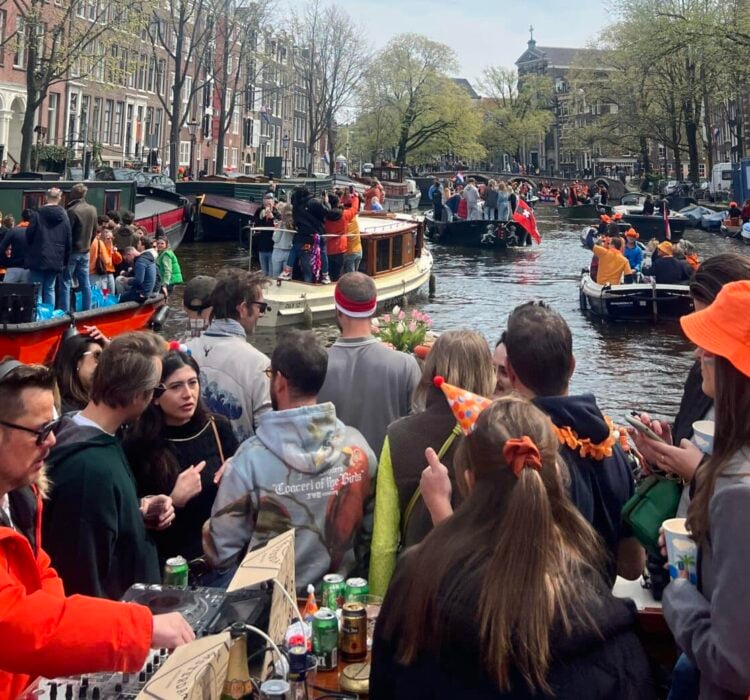
The quality of your canal experience depends significantly on timing. Midday cruises, particularly between 1 PM and 4 PM, coincide with peak tourism hours. Large boats carry 50 to 100 passengers, follow fixed routes through the widest canals, and rely on recorded audio guides or scripted commentary. Passengers sit shoulder to shoulder with strangers, and the experience feels transactional rather than memorable.
Morning cruises offer several advantages:
- Calmer waters with fewer boats creating wake
- Soft light that illuminates the eastern-facing canal houses
- Locals going about their morning routines along the waterfront
- Better availability for premium cruise options
Evening cruises, particularly in summer when sunset stretches past 9 PM, transform the canals into something magical. The warm light turns the red brick buildings golden, and as darkness falls, the illuminated bridges and houseboats create a romantic atmosphere impossible to replicate during daylight hours.
For those visiting during the winter Amsterdam Light Festival season, evening cruises become essential. The festival installations are only visible after dark, and the combination of illuminated artworks with mulled wine creates a uniquely memorable experience.
Where Can You Find Authentic Dutch Cuisine in Amsterdam?
Authentic Dutch cuisine appears in traditional brown cafes serving bitterballen and stamppot, specialty shops offering aged farmhouse cheeses, and modern restaurants reimagining local ingredients. Look for establishments in residential neighborhoods where menus are written in Dutch first and English second.
Dutch food culture centers on quality ingredients prepared simply. The country’s dairy tradition produces exceptional cheeses, from young and mild to aged and crystalline. Seek out cheese shops in the Jordaan or at local markets rather than the tourist-oriented stores near Dam Square. Ask to taste before buying, and look for farmhouse varieties from specific regions.
For a traditional meal, consider these Dutch staples:
- Bitterballen: crispy fried meatballs served with mustard, perfect with local beer
- Haring: raw herring served with onions and pickles, best from street vendors
- Stamppot: mashed potatoes mixed with vegetables, topped with smoked sausage
- Appeltaart: Dutch apple pie, denser and spicier than American versions
- Poffertjes: small fluffy pancakes dusted with powdered sugar
Amsterdam’s culinary scene has evolved dramatically in recent years. A new generation of chefs focuses on local, seasonal ingredients while honoring Dutch traditions. Look for restaurants emphasizing Noord Holland produce, North Sea fish, and Dutch craft beverages. The best establishments source from local farms and clearly communicate their provenance.
Brown cafes remain the heart of Dutch social life. These traditional pubs, named for their smoke-stained walls and dark wood interiors, serve simple food alongside excellent beer and jenever, Dutch gin. They offer an authentic glimpse into local culture that tourist-oriented establishments cannot replicate.
What Makes a Luxury Amsterdam Experience Different from Standard Tours?
Luxury Amsterdam experiences prioritize intimacy, flexibility, and personal connection over efficiency and volume. The difference lies in smaller group sizes, knowledgeable hosts who engage in genuine conversation, access to exclusive routes and locations, and service quality that matches five-star hotel standards.
Standard canal tours operate on a mass market model. Large boats carry 50 to 100 passengers, follow fixed routes through the widest canals, and rely on recorded audio guides or scripted commentary. Passengers sit shoulder to shoulder with strangers, and the experience feels transactional rather than memorable.
Premium experiences take a fundamentally different approach:
- Small groups of 6 to 24 guests create space for conversation and connection
- Captains navigate smaller canals inaccessible to large tour boats
- Routes adapt based on guest interests and real time conditions
- Hosts share personal stories and local insights rather than scripted facts
- Food and beverages reflect local provenance and quality
The distinction extends beyond the water. Luxury experiences consider the entire journey, from departure points at prestigious locations to the quality of every touchpoint. When your canal cruise departs from a historic hotel rather than a crowded dock, the tone of your entire Amsterdam day shifts.
For discerning travelers, the premium is not about ostentation. It is about space, calm, and the freedom to experience Amsterdam at your own pace. True luxury feels effortless, creating moments that become the highlight of a visit rather than simply checking a box.
How Pure Boats Helps You Experience Amsterdam
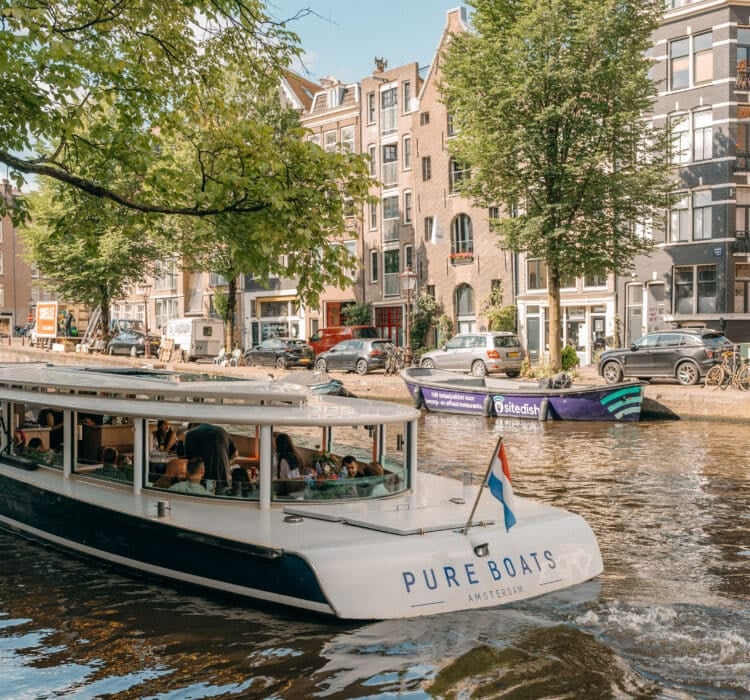
We specialize in creating refined canal experiences that match the standards of Amsterdam’s finest hotels. Our approach prioritizes intimate groups, local provenance, and genuine hospitality aboard our collection of personally designed electric boats, including vessels with remarkable heritage like the Stan Huygens, once the weekly charter of Freddy Heineken himself.
What sets our Amsterdam tour experiences apart:
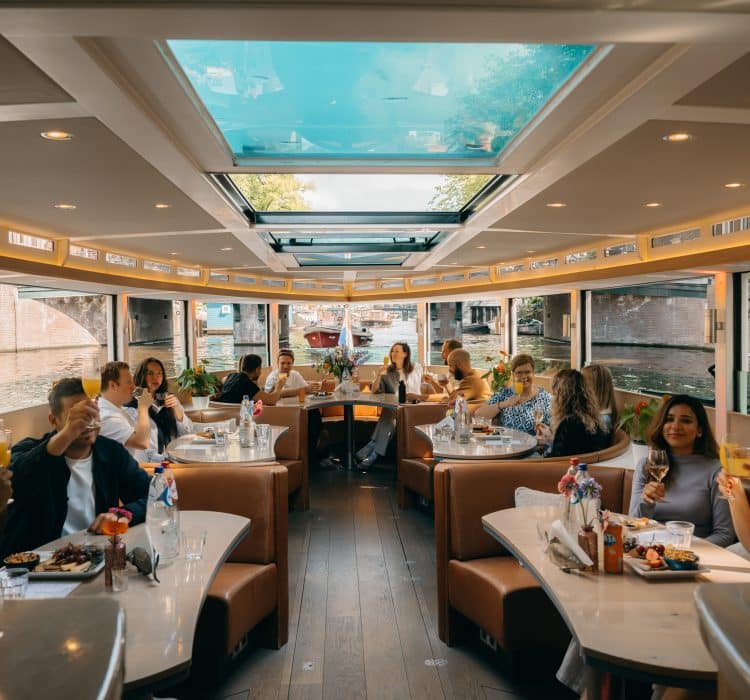
- Semi private cruises departing from Hotel De L’Europe with a maximum of 24 guests
- Choice of shared or private booth seating for complete flexibility
- Premium drinks and Dutch farmhouse cheese sourced from local producers
- Thoughtful storytelling from hosts who share genuine insights about Amsterdam’s history and culture
- Fully electric boats restored by superyacht designers for sustainable, silent cruising
- Access to narrow canals where large tour boats cannot navigate
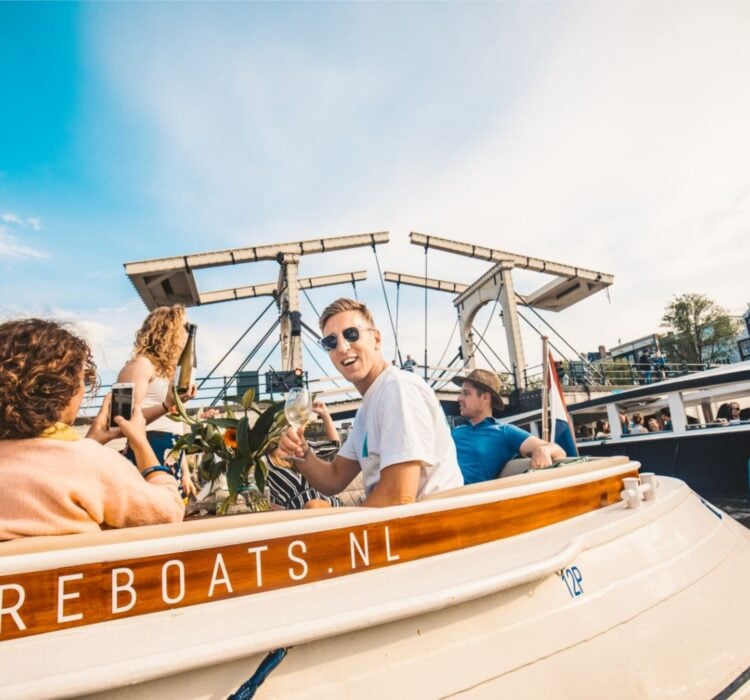
Our 90 minute semi private cruise from Hotel De L’Europe offers the ideal introduction to Amsterdam’s UNESCO listed canals. Starting from €62.50 per person for shared seating or €250 for a private cabin, guests enjoy two premium drinks, complimentary nibbles, and the rare opportunity to sit in Freddy Heineken’s personal favourite spot at the rear of the Stan Huygens.
Book your Pure Boats experience to discover Amsterdam the way it deserves to be seen: from the water, with space to breathe, and in the company of hosts who genuinely love sharing their city.