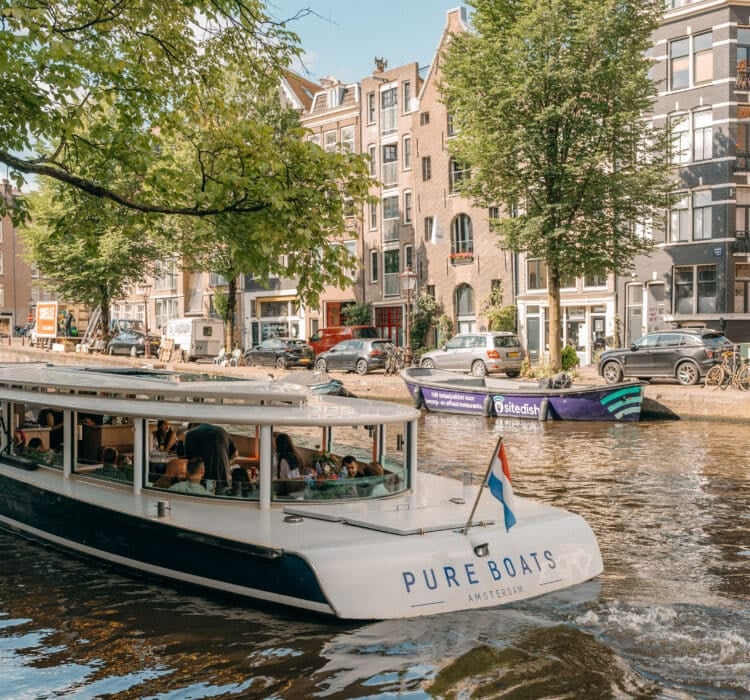
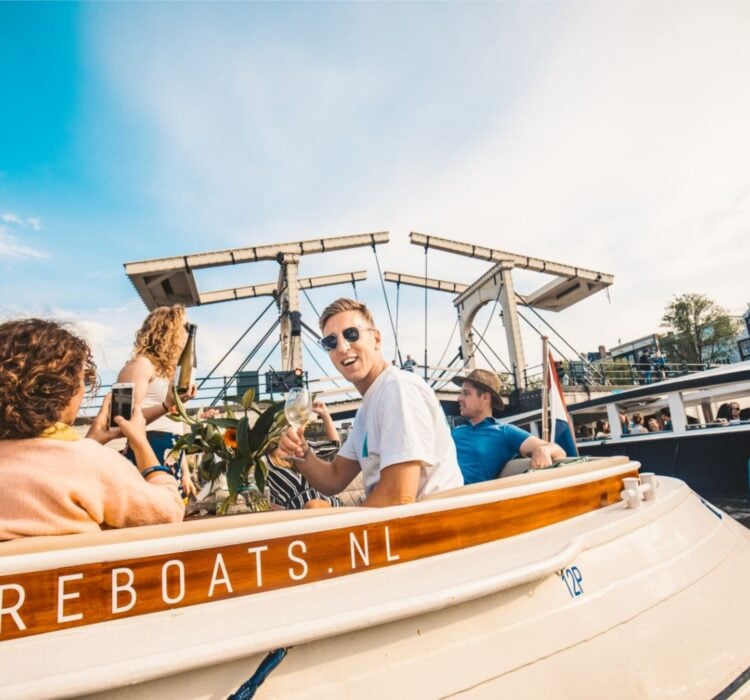
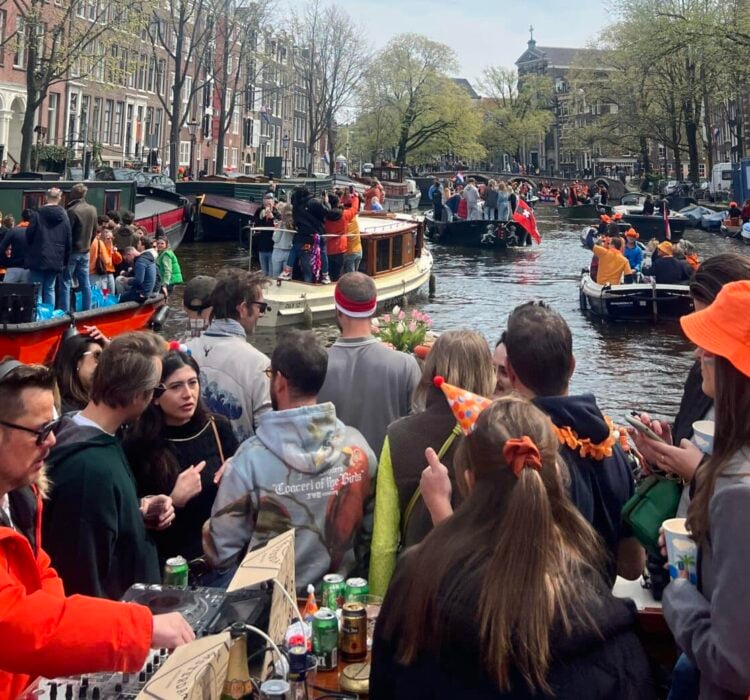
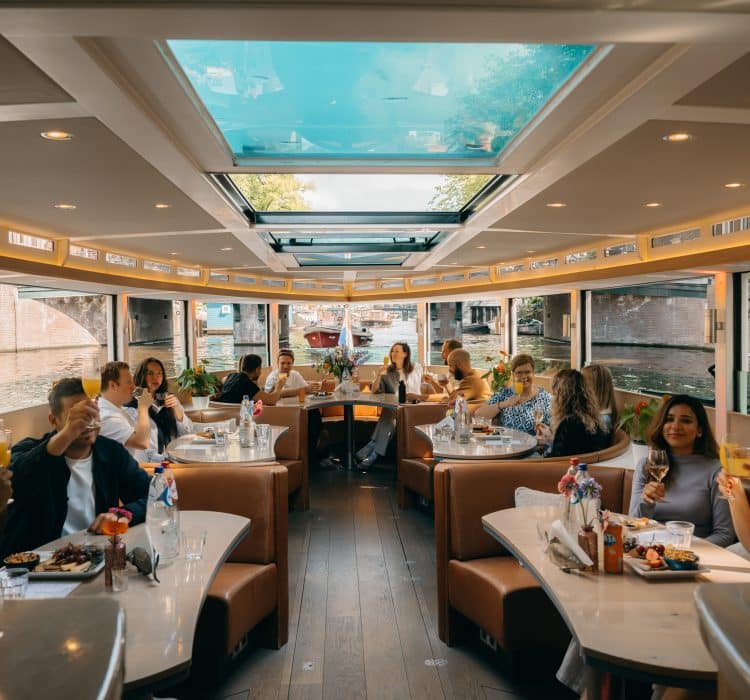
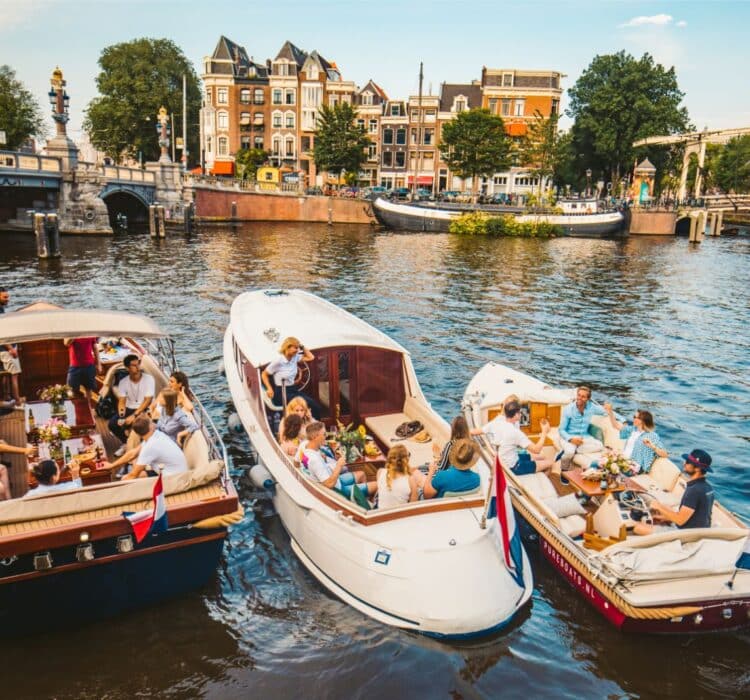
Electric canal boats are significantly better for the environment than traditional diesel-powered vessels. They produce zero direct emissions, eliminate fuel and oil leaks into waterways, and operate almost silently. For anyone booking an Amsterdam canal cruise, choosing electric means enjoying the city’s UNESCO-listed waterways while actively protecting them. Below, we answer the most common questions about the environmental benefits of electric canal boats.
What makes electric canal boats more environmentally friendly than diesel boats?
Electric canal boats produce no direct emissions during operation, making them far cleaner than diesel alternatives. While diesel engines release carbon monoxide, nitrogen oxides, and particulate matter into the air, electric motors run on battery power without any combustion process. This means no exhaust fumes, no harmful pollutants, and no unpleasant smells for passengers or people living along the canals.
The difference is particularly noticeable in enclosed urban environments like Amsterdam’s historic canal network. Diesel boats contribute to localised air pollution that affects both tourists and residents. Canal-side homes, cafés, and businesses all benefit when boats switch to electric propulsion.
Beyond air quality, electric boats eliminate the risk of fuel and oil leaks that are common with combustion engines. Diesel boats require regular refuelling and engine maintenance involving petroleum products, creating ongoing contamination risks. Electric boats simply need their batteries charged, removing these hazards entirely.
For passengers, the practical benefits are immediate. There is no engine smell, no diesel fumes wafting across the deck, and no need to raise your voice over engine noise. The experience becomes more pleasant while also being more responsible.
How do electric boats help protect water quality in historic canals?
Electric boats protect water quality by eliminating the primary sources of waterway contamination from traditional vessels. Diesel and petrol boats can leak fuel, engine oil, and exhaust residue directly into the water. Electric propulsion systems have none of these fluids to leak, keeping canals cleaner and healthier for aquatic life.
Amsterdam’s canal system is home to various fish species, waterfowl, and other wildlife that depend on good water quality to survive. When boats leak petroleum products, these substances form surface films that block oxygen exchange and can be toxic to aquatic organisms. Even small, repeated leaks accumulate over time in enclosed waterway systems.
Historic canals face particular challenges because they often have limited water circulation compared to open rivers or coastal areas. Pollutants tend to concentrate rather than disperse. This makes the choice of boat propulsion especially important in cities like Amsterdam, where the canal network is both a living ecosystem and a cultural treasure.
Electric boats also produce no exhaust that settles on the water surface. Diesel engines release particles and residue that eventually end up in the water, contributing to sediment contamination. By choosing electric propulsion, boat operators help preserve water quality for future generations to enjoy.
Why are electric canal boats quieter and what difference does that make?
Electric motors operate almost silently compared to diesel engines, which produce constant mechanical noise and vibration. This dramatic reduction in noise pollution transforms the experience for everyone involved: passengers can hold normal conversations, wildlife faces less disturbance, and canal-side residents enjoy more peaceful surroundings.
On a practical level, quiet operation means you can actually hear your captain sharing stories about Amsterdam’s history without competing with engine noise. Conversations flow naturally. You notice the sounds of the city, birds calling, and water lapping against the hull. The experience becomes more immersive and relaxing.
For wildlife, reduced noise matters significantly. Birds nesting along canal banks are less likely to be disturbed by passing boats. Fish and other aquatic creatures experience less stress from constant engine vibrations travelling through the water. Urban wildlife has enough challenges without boats adding unnecessary noise pollution.
Canal-side residents particularly appreciate electric boats. Imagine living beside a busy waterway where boats pass every few minutes. The cumulative noise from diesel engines can be exhausting. Electric boats glide past with minimal sound, making waterfront living more pleasant and preserving the peaceful atmosphere that makes Amsterdam’s canals so special.
What is the carbon footprint of an electric canal boat compared to traditional boats?
Electric canal boats typically have a substantially lower carbon footprint than diesel boats, though the exact difference depends on how the electricity is generated. When charged using renewable energy sources like wind or solar power, electric boats can operate with near-zero carbon emissions during use. Even with grid electricity, they generally produce fewer emissions than burning diesel directly.
The Netherlands has been steadily increasing its renewable energy capacity, meaning the electricity powering canal boats becomes cleaner over time. This is a significant advantage over diesel boats, which will always produce the same emissions regardless of broader energy transitions.
Lifecycle considerations also favour electric boats in many cases. While battery production does have environmental impacts, electric motors are simpler than combustion engines, with fewer parts to manufacture and replace. They also last longer with less maintenance, reducing the resources needed over the boat’s lifetime.
For visitors wanting to minimise their travel footprint, an Amsterdam canal cruise aboard an electric boat represents a genuinely lower-impact choice. You are not just avoiding local pollution; you are supporting the transition to cleaner transport across the tourism industry.
Are there other sustainability benefits beyond just the electric motor?
Responsible canal tourism involves much more than propulsion choice. Comprehensive sustainability practices include boat restoration and upcycling, locally sourced food and beverages, waste reduction, and thoughtful operational decisions. Electric power is an important foundation, but the most environmentally conscious operators build on it with broader commitments.
Boat restoration offers significant environmental advantages over new construction. Giving new life to classic vessels means avoiding the substantial resources required to build from scratch. The materials, energy, and manufacturing processes for new boats all carry environmental costs. Carefully restoring existing boats preserves craftsmanship while reducing demand for new production.
Food and drink choices also matter. Sourcing products locally reduces transport emissions and supports regional producers. Seasonal selections mean less energy-intensive storage and shipping. When you enjoy local craft beers, regional wines, and Dutch farmhouse cheeses during your cruise, you are participating in a more sustainable food system.
Waste reduction completes the picture. Single-use plastics, excessive packaging, and disposable service items all create environmental burdens. Operators committed to sustainability choose reusable alternatives, minimise packaging, and manage waste responsibly. These details might seem small individually, but they add up across thousands of guests each year.
When planning your Amsterdam canal cruise, consider the full picture of environmental responsibility. Electric propulsion matters enormously, but it works best as part of a broader commitment to sustainable tourism. The most memorable experiences often come from operators who care about every aspect of their environmental impact, creating journeys you can feel genuinely good about. To experience sustainable canal tourism firsthand, consider booking a small group canal cruise that combines electric propulsion with thoughtful sustainability practices.