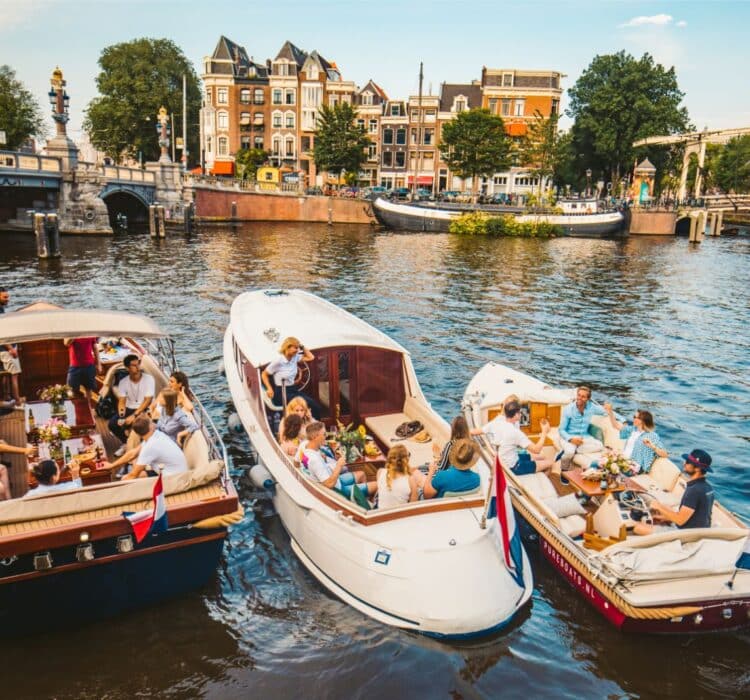
The top three things to do in Amsterdam are cruising the UNESCO-listed canals, exploring world-class museums like the Rijksmuseum and Van Gogh Museum, and discovering authentic Dutch cuisine at local restaurants and cafés. These experiences capture the city’s unique character, blending historic charm with vibrant culture in ways that mass tourism often misses.
What separates a memorable Amsterdam visit from a forgettable one is how you approach these experiences. The discerning traveller knows that the best moments come from quality over quantity, choosing refined experiences that reveal the city’s true personality rather than rushing through crowded attractions. Below, we answer the questions that help you experience Amsterdam at its finest.
What Makes a Canal Cruise Different From Other Amsterdam Experiences?
A canal cruise offers something no walking tour or museum visit can replicate: the perspective of seeing Amsterdam from the water, where the city was designed to be viewed. The 17th-century merchants who built these canal houses positioned their grandest facades to face the water, creating an architectural gallery best appreciated from a boat gliding past.
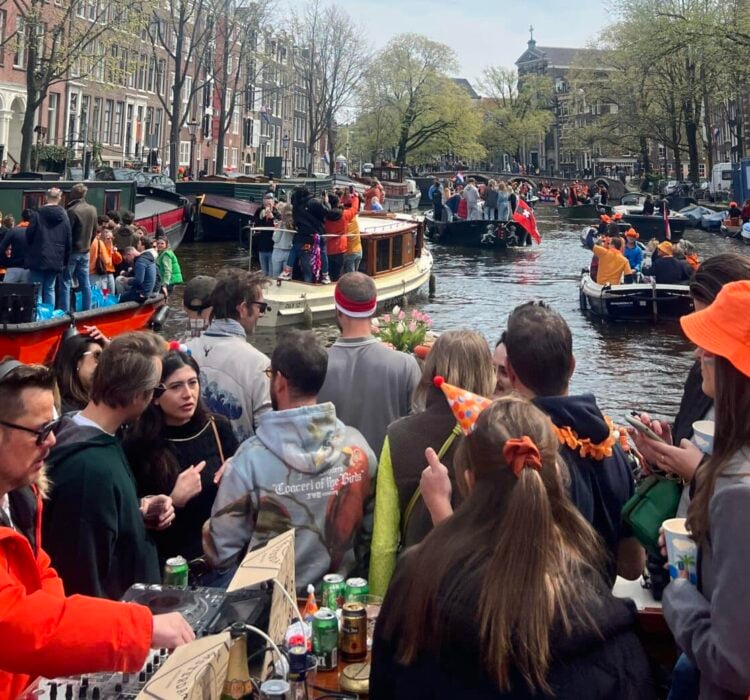
The difference between canal cruises themselves, however, is substantial. Large commercial boats pack passengers shoulder to shoulder with scripted audio guides, treating the experience as transportation rather than immersion. Premium alternatives take small groups through narrow waterways inaccessible to bigger vessels, where captains share genuine local knowledge rather than rehearsed scripts.
The canal experience also connects you to Amsterdam’s living history in ways museums cannot. You pass the same houseboats where families have lived for generations, see the narrow streets from the vantage point Dutch traders once had, and understand why this city’s relationship with water shaped everything from its architecture to its famously direct culture. When done well, an Amsterdam tour by water becomes the lens through which every other experience in the city makes more sense.
Where Should You Eat to Experience Authentic Dutch Cuisine?
Authentic Dutch cuisine is best experienced at brown cafés (bruine kroegen) and local eateries serving traditional dishes like bitterballen, stamppot, and aged Gouda, rather than at tourist-oriented restaurants in heavily trafficked areas. The Jordaan and De Pijp neighbourhoods offer the highest concentration of genuinely local dining spots.
Dutch food culture prioritizes quality ingredients over elaborate preparation. Seasonal herring from street vendors (when the sign reads “Hollandse Nieuwe”), farmhouse cheeses aged for years, and hearty stews designed for cold canal-side winters represent the true Dutch table. These dishes tell the story of a trading nation that valued honest, satisfying food.
Traditional Dishes Worth Seeking Out
Bitterballen, crispy fried meatballs served with mustard, remain the quintessential Dutch bar snack and pair perfectly with local craft beers. For something more substantial, erwtensoep (split pea soup) during the winter months or stamppot (mashed potatoes with vegetables and smoked sausage) offer warming comfort food that locals genuinely eat, not tourist recreations.
Where Locals Actually Dine
Skip the restaurants lining major canals near Centraal Station. Instead, venture to neighbourhood spots in the Jordaan where menus are handwritten in Dutch, or explore the multicultural food scene in De Pijp’s Albert Cuypmarkt. Many quality establishments focus on seasonal, locally sourced ingredients, reflecting a broader Dutch commitment to sustainability and provenance.
Which Amsterdam Museums Are Worth Your Time?
The Rijksmuseum and Van Gogh Museum consistently rank as Amsterdam’s most worthwhile cultural institutions, offering world-class collections that justify the time investment. The Anne Frank House provides essential historical context but requires advance booking, often weeks ahead during peak seasons.
Beyond these famous three, your museum choices should align with personal interests rather than checklist tourism. The Stedelijk Museum houses exceptional modern art. The smaller Museum Van Loon or Museum Willet-Holthuysen offer intimate glimpses into canal house life without crowds. The FOAM photography museum and the Hermitage Amsterdam satellite frequently host rotating exhibitions that rival anything in their permanent collections.
Timing matters significantly. Early morning visits or late afternoon slots (many museums stay open until 17:00 or later) provide dramatically different experiences than midday crowds. The Rijksmuseum’s Night Watch gallery at opening time feels almost private compared to the afternoon crush. Similarly, the Van Gogh Museum’s flow improves markedly during the final hours before closing.
Consider also that museum fatigue is real. Two thoughtfully chosen museums with time to absorb what you see will leave stronger impressions than rushing through four. The best Amsterdam tour strategy often means selecting one major institution and balancing it with time on the water or exploring neighbourhoods on foot.
How Do You Experience Amsterdam Like a Local Rather Than a Tourist?
Experiencing Amsterdam like a local means slowing down, avoiding the Red Light District and Damrak crowds, and embracing the Dutch concept of gezelligheid: a cozy, convivial atmosphere found in neighbourhood cafés, quiet canal-side benches, and unhurried conversations. Locals rarely rush, and neither should you.
Geography matters enormously. The area within a ten-minute walk of Centraal Station caters almost exclusively to tourists. Cross into the Jordaan, the Plantage neighbourhood, or Amsterdam-Zuid, and the ratio shifts dramatically. These areas have the same beautiful canals and historic architecture without the souvenir shops and crowded terraces.
Adopt local rhythms. Amsterdam residents cycle everywhere, stop for coffee at independent roasters rather than chains, and spend weekend afternoons browsing markets or sitting canal-side with friends. They take the ferry across the IJ river to Noord for emerging restaurants and cultural spaces. They know that the best views often come from simply sitting still and watching the water.
The Dutch directness extends to their appreciation for authenticity. Locals value experiences with genuine character over polished tourist products. They choose the café with the worn wooden bar over the newly renovated one, the captain with real stories over the scripted tour, the cheese shop that has served the neighbourhood for decades over the one with multilingual staff stationed outside.
How Pure Boats Helps You Experience the Best of Amsterdam
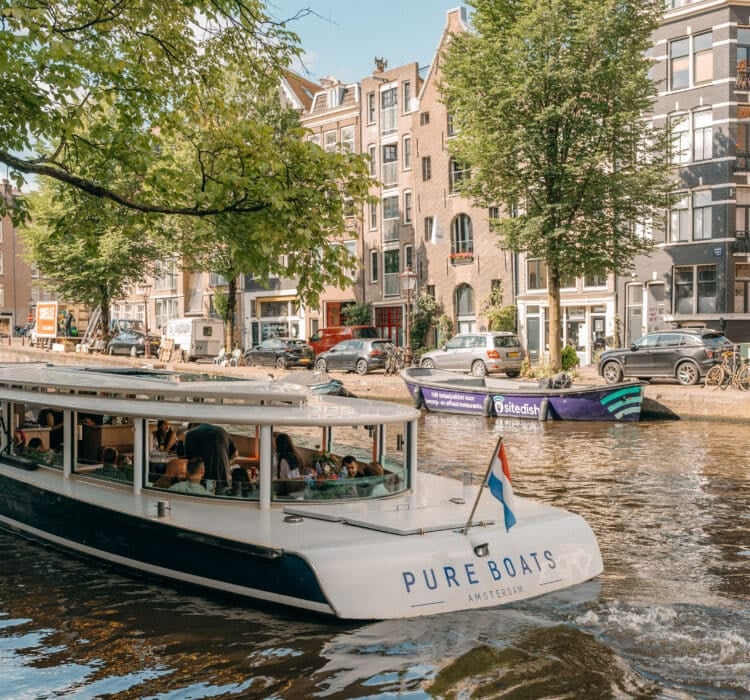
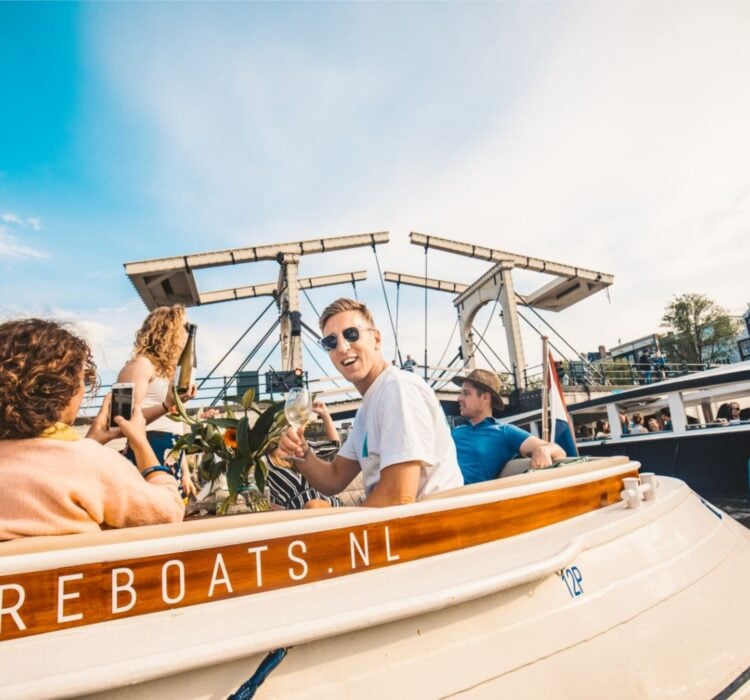
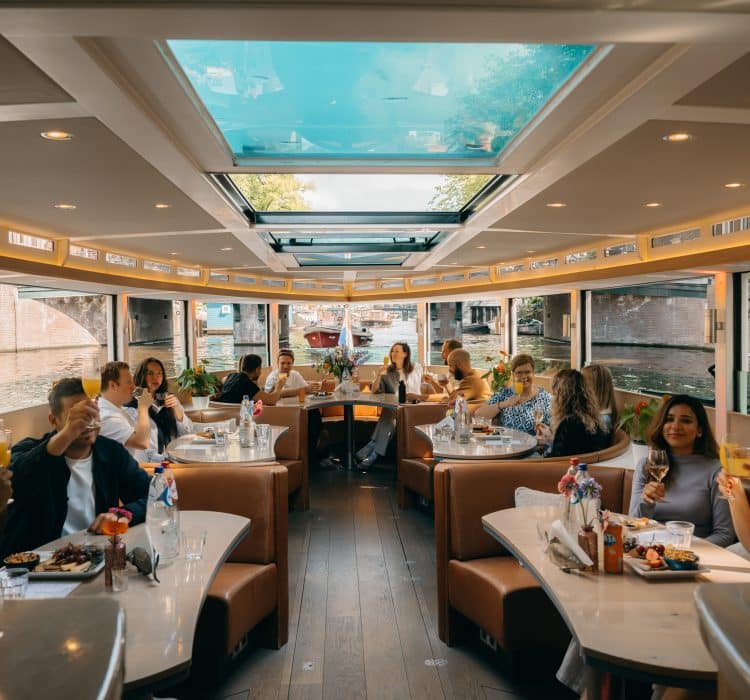
We created Pure Boats to offer exactly the kind of refined, authentic Amsterdam experience that discerning travellers seek. Our semi-private cruises aboard the Stan Huygens, departing from Hotel De L’Europe, provide an intimate way to see the city’s UNESCO-listed canals without the crowds and impersonal atmosphere of standard canal tours.
What makes our approach different:
- Small group sizes of no more than 24 guests, with private booth options for complete intimacy
- Handcrafted, fully electric boats restored by superyacht designers, including vessels over 100 years old
- Captains who share genuine local knowledge and customize routes based on what guests want to see
- Access to narrow canals where larger commercial boats cannot navigate
- Locally sourced refreshments, from Dutch farmhouse cheese to seasonal craft beers and quality European wines
- A sustainable, close to zero waste approach that lets you enjoy the canals responsibly
The Stan Huygens holds particular significance as the vessel Freddy Heineken once chartered weekly, earning it the title “Yacht of the Canals.” For those seeking the ultimate in exclusivity, the private booth at the rear was his personal favourite spot. Book your semi-private cruise from €62.50 per person, or reserve a private cabin from €250 for an experience that becomes the highlight of your Amsterdam visit.