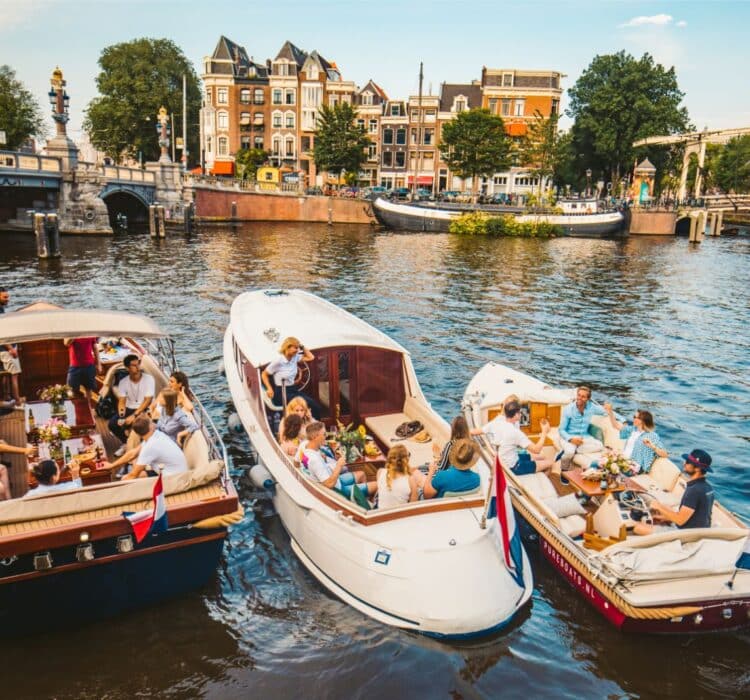
Classic canal boats have been part of Amsterdam’s story since the Dutch Golden Age of the 17th century, when the city’s famous waterways were built for trade and transport. These vessels carried goods, connected neighbourhoods, and shaped daily life for centuries. Today, they represent a cherished link to Amsterdam’s maritime heritage, offering visitors an authentic way to experience the city’s historic canals. Below, we answer the most common questions about these remarkable boats and their enduring appeal.
How did canal boats become part of Amsterdam’s identity?
Canal boats became central to Amsterdam’s identity during the Dutch Golden Age, when the city constructed its iconic ring of canals between 1613 and 1625. These waterways served as the primary transport network for a thriving trading nation, and boats were essential for moving goods, people, and materials throughout the city.
Amsterdam’s unique geography made water transport not just convenient but necessary. The city was built on marshy land, and streets were often narrow and difficult to navigate by cart. Canal boats offered a practical solution, ferrying everything from spices and textiles to building materials and household goods. Wealthy merchants used elegant vessels to travel between their canal-side warehouses and homes, while working boats kept the city’s commerce flowing.
Over time, the relationship between Amsterdam and its boats deepened beyond mere practicality. The canals became social spaces where neighbours gathered, and boat ownership reflected both status and community belonging. As road transport eventually took over commercial functions in the 20th century, canal boats transitioned from working vessels to pleasure craft. This shift preserved their place in Amsterdam’s culture, transforming them into symbols of the city’s relaxed lifestyle and connection to water. Today, an Amsterdam canal cruise offers visitors a chance to experience this living heritage, gliding through the same waterways that shaped the city’s character centuries ago.
What types of classic canal boats have sailed Amsterdam’s waterways?
Amsterdam’s canals have hosted several distinctive boat types over the centuries, each designed for specific purposes. Salon boats, open boats, and various working vessels all played important roles in the city’s maritime life, with designs that reflected both Dutch craftsmanship and practical needs.
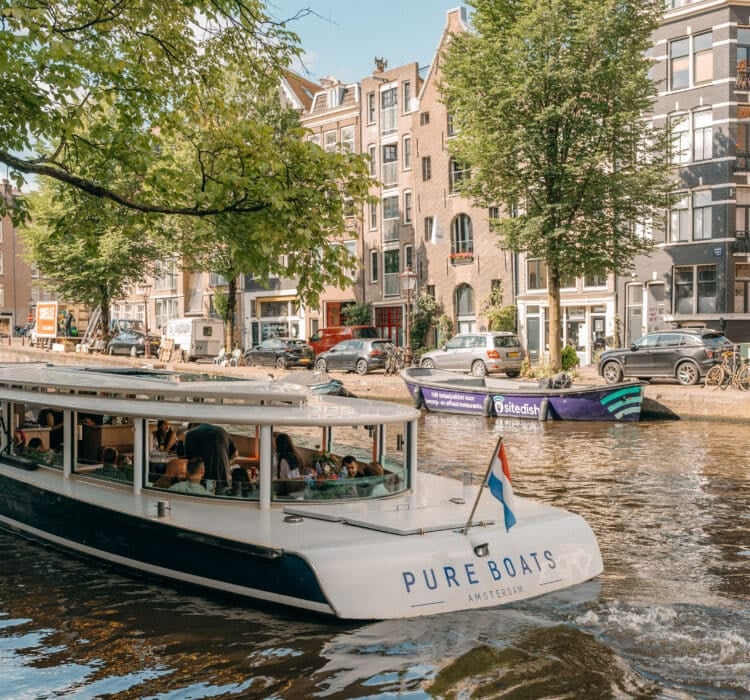
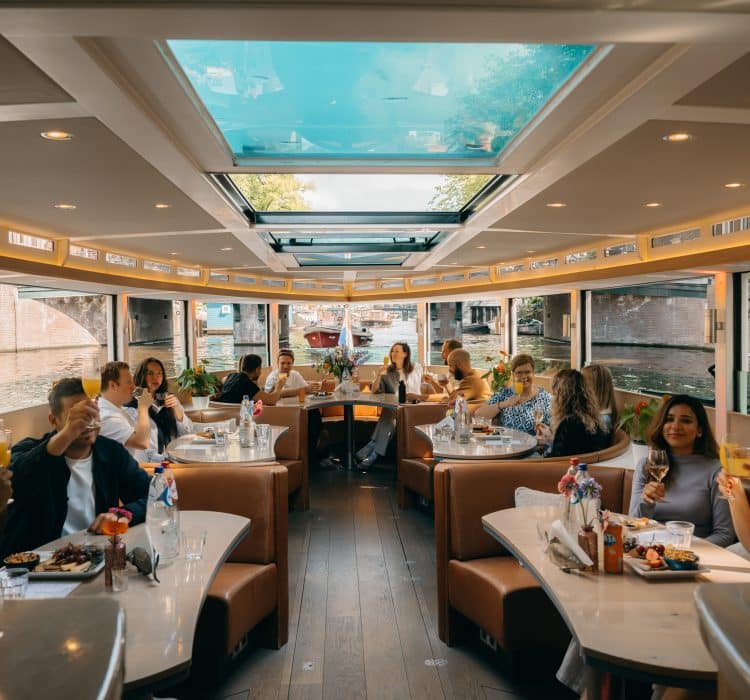
Salon boats represent perhaps the most elegant tradition of Amsterdam canal craft. These enclosed vessels featured comfortable cabins with large windows, allowing passengers to enjoy canal views in all weather conditions. Typically constructed from wood with brass fittings and mahogany interiors, salon boats served wealthy families and later became popular for small group excursions. Their low profiles and narrow beams made them perfectly suited to navigating Amsterdam’s intimate waterways.
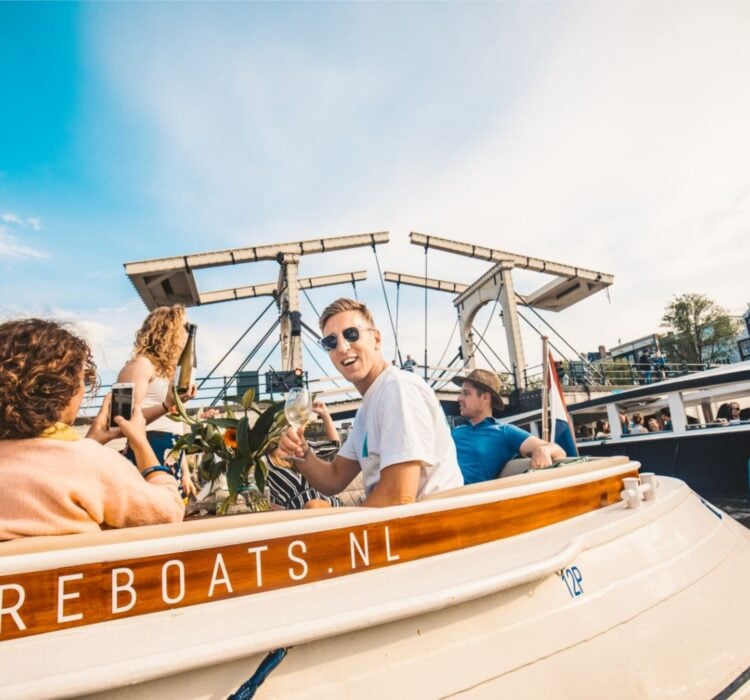
Open boats, known locally as sloepen, offered a more casual experience. These vessels featured open decks where passengers could sit and enjoy unobstructed views of the canal houses and bridges. Traditionally built from oak or mahogany, open boats ranged from simple rowing craft to more elaborate launches with canopies for shade. Many featured the distinctive curved prows and elegant lines that characterise Dutch boat design.
Working vessels included flat-bottomed barges for cargo transport, smaller delivery boats, and the iconic round-sterned boats used by tradespeople. These practical craft were built for durability and capacity rather than comfort, though many displayed the careful craftsmanship that Dutch boatbuilders were known for. Some of these working boats have since been converted into pleasure craft, their sturdy construction making them ideal candidates for restoration and continued use on the canals.
Why are historic canal boats still popular in Amsterdam today?
Historic canal boats remain popular because they offer something modern vessels simply cannot replicate: an authentic connection to Amsterdam’s past combined with timeless elegance and craftsmanship. Their enduring appeal reflects both a cultural preservation movement and a genuine appreciation for vintage aesthetics.
The charm of a classic canal boat lies in its details. Hand-carved woodwork, polished brass fittings, and thoughtfully designed cabins create an atmosphere of refined comfort that mass-produced modern boats rarely achieve. Each historic vessel carries its own story, whether that’s decades of family ownership, a notable previous captain, or a remarkable journey through restoration. This sense of history adds depth to every journey along the canals.
Cultural preservation has also driven interest in maintaining Amsterdam’s classic boat fleet. As the city’s canal ring gained UNESCO World Heritage status, awareness grew about protecting not just the waterways and buildings but also the vessels that brought them to life. Enthusiasts and businesses alike have invested in keeping traditional boats seaworthy, recognising their value as floating heritage.
There’s also a practical appeal. Classic boats were designed specifically for Amsterdam’s canals, with shallow drafts and narrow beams that allow access to waterways where larger modern vessels cannot go. Their quiet electric conversions mean passengers can enjoy peaceful cruising through residential neighbourhoods, hearing the sounds of the city rather than engine noise. For visitors seeking an Amsterdam canal cruise that feels genuine rather than touristy, a historic boat offers an experience that connects them to the city’s authentic character.
How are classic canal boats restored and preserved?
Restoring a classic Amsterdam canal boat requires patience, skill, and deep respect for traditional craftsmanship. The process typically takes months or even years, involving careful assessment of the original structure, sourcing appropriate materials, and balancing historical authenticity with modern safety and environmental standards.
The restoration journey begins with a thorough inspection of the hull and framework. Many classic boats were built from oak, teak, or mahogany, materials chosen for their durability and water resistance. Restorers must identify areas of rot or damage while determining which original elements can be preserved. The goal is always to retain as much authentic material as possible, replacing only what’s necessary to ensure structural integrity.
Finding appropriate materials presents its own challenges. Traditional boat timbers must be properly seasoned, and matching the grain and character of century-old wood requires sourcing from specialist suppliers. Brass fittings, deck hardware, and interior elements often need to be custom-made or carefully sourced from maritime antique dealers. Skilled craftspeople who understand traditional boatbuilding techniques are essential, as modern construction methods may not suit vessels designed and built generations ago.
One of the most significant modern adaptations involves converting historic boats to electric propulsion. This process requires careful engineering to install batteries and motors without compromising the vessel’s authentic appearance or structural balance. When done well, electric conversion actually enhances the classic boat experience, eliminating engine noise and fumes while allowing these heritage vessels to continue operating on Amsterdam’s canals for decades to come. At Pure Boats, we’ve undertaken this work ourselves, transforming vessels from complete restoration projects into fully electric craft that honour their heritage while meeting contemporary standards.
What makes experiencing Amsterdam by historic canal boat unique?
Experiencing Amsterdam aboard a historic canal boat offers something genuinely different from standard tour vessels: access to narrow waterways, intimate group sizes, and an atmospheric connection to the city’s past that creates lasting memories. It’s the difference between observing Amsterdam and actually feeling part of its story.
Classic boats can navigate canals that larger tour vessels cannot enter. This opens up quieter, more residential waterways where you’ll see Amsterdam as locals experience it, with houseboats, hidden gardens, and neighbourhood life unfolding along the banks. Routes become flexible rather than fixed, with experienced captains able to adjust based on passenger interests or simply to explore a particularly beautiful stretch of water.
The intimate scale of historic boats transforms the experience from passive sightseeing to genuine engagement. With smaller groups aboard, conversations happen naturally. Captains share stories about why Amsterdam residents leave their curtains open, point out architectural details on canal houses, and answer questions about daily life in the city. This personal connection simply isn’t possible on vessels carrying dozens of passengers through scripted routes.
There’s also something special about the sensory experience. The gentle creak of wooden decks, the play of light through antique windows, the quiet hum of electric motors, and the scent of polished wood create an atmosphere that modern fibreglass boats cannot match. You’re not just seeing Amsterdam’s history; you’re surrounded by it.
Our Ultimate Canal Cruise embodies this approach, taking guests on a two-hour journey aboard vessels like the Stan Huygens, an iconic yacht once chartered weekly by Freddy Heineken himself. With a maximum of 24 guests, local refreshments, and routes through the Jordaan, Prinseneiland, and Amsterdam’s oldest districts, it offers exactly the kind of authentic, unhurried experience that makes exploring this city by historic canal boat so memorable.