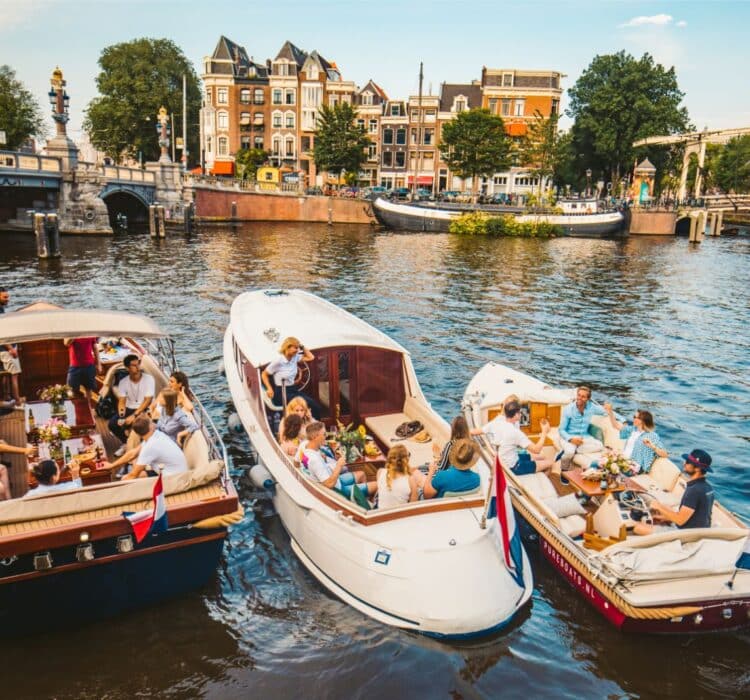
An Amsterdam experience on the water is popular because it reveals a city designed around its canals, offering perspectives, architecture, and atmosphere that simply cannot be accessed from street level. The 17th century canal ring, a UNESCO World Heritage site, was built as the city’s primary infrastructure, meaning the most significant buildings, hidden gardens, and authentic neighbourhood life face the water rather than the roads.
Visitors consistently rank canal experiences among their most memorable moments in Amsterdam because the vantage point transforms how they understand and connect with the city. The gentle pace of a boat journey creates space for observation and conversation that walking or cycling cannot match. Below, we explore exactly what makes this waterborne perspective so compelling and how to choose the right experience for your visit.
What Can You See From an Amsterdam Canal That You Can’t See From the Street?
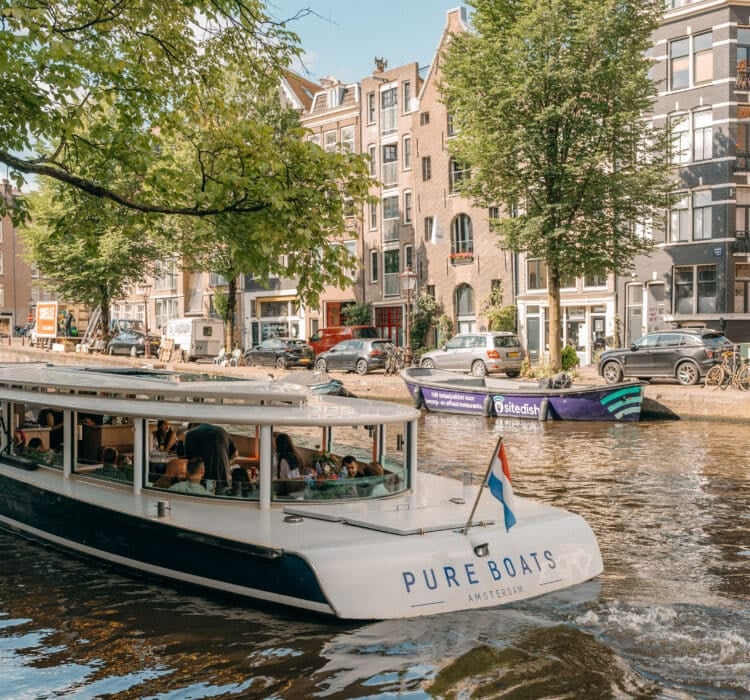
From an Amsterdam canal, you can see the true facades of historic merchant houses, hidden courtyard gardens, basement windows revealing domestic life, and architectural details designed specifically to be viewed from water level. The canal perspective exposes how buildings were constructed to face the water, with their most ornate gables, hoisting beams, and decorative elements oriented toward arriving boats rather than pedestrians.
The merchant elite of Amsterdam’s Golden Age built their homes along the canals because waterways served as the primary transport routes. Walking along the street, you see the backs of these properties or their secondary entrances. From the water, you witness what the original architects intended: the full theatrical display of wealth, craftsmanship, and status that defined 17th century Amsterdam.
Beyond architecture, the canal perspective reveals practical elements of Amsterdam life that are invisible from above. You notice how houseboats are connected to utilities, spot herons fishing in the shallows, and observe the intricate system of locks and bridges that regulate water flow throughout the city. Smaller canals accessible only to compact vessels pass through residential neighbourhoods where locals wave from their kitchen windows and children play on private jetties.
The water also reflects light differently throughout the day, casting shifting patterns across brick facades and illuminating details that remain shadowed from street level. This interplay of light, water, and architecture creates photographic opportunities and visual moments that define the Amsterdam aesthetic.
How Do the Amsterdam Canals Shape the City’s Character?
The Amsterdam canals shape the city’s character by dictating its layout, architecture, social patterns, and daily rhythms. Unlike cities built around roads, Amsterdam developed with water as its central organising principle, creating a compact, interconnected urban environment where nearly every significant location relates to the canal network.
This water-centric design influenced everything from building construction to social behaviour. Houses are narrow because property taxes were historically based on canal frontage width. Buildings lean forward slightly to allow goods to be hoisted directly from boats into upper floor storage without damaging facades. The famous Dutch tradition of leaving curtains open stems partly from the desire to display prosperity to passing canal traffic.
The Canal Ring as Social Architecture
The concentric canal ring created distinct social zones that still influence Amsterdam’s neighbourhoods today. The innermost canals housed the wealthiest merchants, while outer rings accommodated craftsmen and workers. This geographical social structure remains visible in property values, building sizes, and neighbourhood character four centuries later.
Water as Public Space
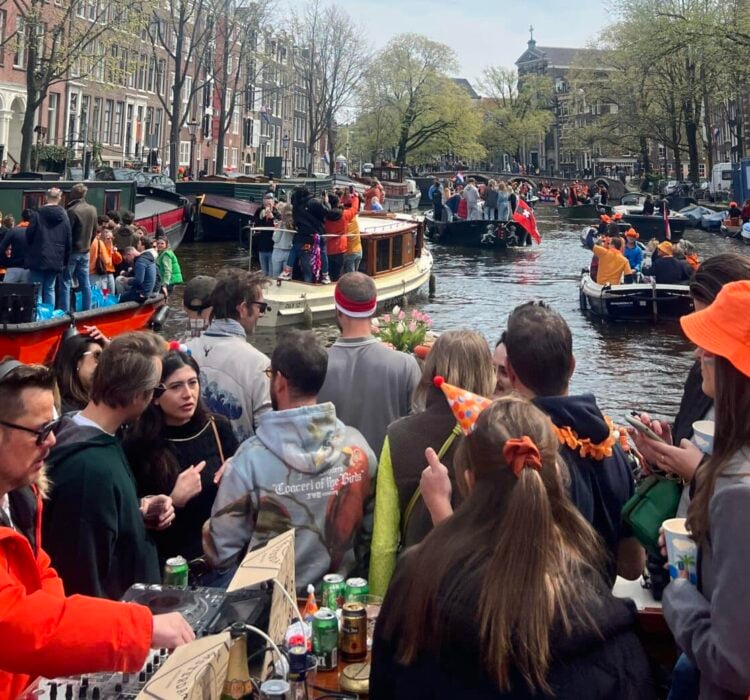
Amsterdammers treat their canals as extended living rooms during warmer months. Locals gather on canal edges, swim in designated areas, and socialise on boats moored along the waterways. This relationship between residents and water creates an atmosphere of openness and accessibility that distinguishes Amsterdam from other European capitals.
The canals also serve practical modern functions: regulating groundwater levels, providing emergency water access, and creating natural traffic calming throughout the city centre. Understanding this infrastructure helps visitors appreciate why Amsterdam feels different from cities designed around automobiles.
What’s the Difference Between a Large Canal Cruise and a Small Boat Experience?
The primary difference between a large canal cruise and a small boat experience is route flexibility, personal attention, and the ability to access narrow waterways. Large cruise boats carry dozens or hundreds of passengers on fixed routes through main canals, while smaller vessels navigate intimate passages, adjust itineraries based on passenger interest, and create space for genuine interaction.
Large canal cruises operate like public transport: scheduled departures, predetermined routes, and standardised commentary delivered through audio systems or scripted presentations. These experiences prioritise efficiency and capacity, moving maximum passengers through popular areas at predictable intervals.
Small boat experiences function more like private exploration. Captains familiar with the canal network can detour through residential areas, pause at points of interest, and respond to passenger questions with personal knowledge rather than recorded scripts. The physical dimensions of smaller vessels allow passage through canals too narrow for commercial cruise boats, revealing neighbourhoods that larger operations simply cannot reach.
The atmosphere differs substantially as well. Large cruises often feel anonymous, with passengers seated shoulder to shoulder among strangers. Smaller groups create opportunities for conversation, both among guests and with knowledgeable hosts who can share stories about why Amsterdammers never close their curtains or point out the former residence of a famous artist as you pass.
For discerning visitors seeking an experience that matches the quality of their accommodation and travel standards, a semi-private premium cruise from Hotel De L’Europe provides continuity with luxury hotel hospitality rather than a jarring shift to mass tourism.
When Is the Best Time to Experience Amsterdam’s Canals by Boat?
The best time to experience Amsterdam’s canals by boat depends on your priorities: morning offers calm waters and soft light, afternoon provides warmth and activity, and evening delivers atmospheric illumination and a sense of occasion. Each period reveals different aspects of canal life and creates distinct photographic and emotional experiences.
Morning and Midday
Early morning cruises capture Amsterdam before tourist crowds gather. The canals reflect clear light, houseboats show signs of residents beginning their days, and the city feels intimate and authentic. Midday offers the brightest conditions for photography but also the busiest waterways, with commercial traffic and other tour boats creating more wake and noise.
Late Afternoon and Evening
Late afternoon, particularly during golden hour, transforms the canal facades into warm amber displays. This period balances good visibility with atmospheric lighting and typically coincides with locals returning home, adding human activity to the scenes you pass. Evening cruises, especially during the winter Amsterdam Light Festival season, offer illuminated artworks and the magical quality of city lights reflecting on dark water.
Seasonal considerations matter as well. Summer provides long daylight hours and the liveliest canal atmosphere, with locals swimming, socialising, and enjoying waterside terraces. Spring and autumn offer comfortable temperatures with fewer crowds. Winter, despite shorter days, delivers unique experiences including the Light Festival installations that draw visitors specifically for illuminated canal journeys.
Weather affects the experience but rarely prevents it. Light rain creates beautiful ripple patterns on the water, and most quality boats offer covered seating options. The Dutch philosophy of embracing weather rather than avoiding it means canal experiences continue year round.
Why Do Visitors Remember a Canal Experience as Their Amsterdam Highlight?
Visitors remember a canal experience as their Amsterdam highlight because it combines multiple sensory pleasures, creates natural space for reflection and conversation, and provides a fundamentally different perspective than any other activity in the city. The experience engages sight, sound, and often taste while requiring nothing more than relaxed observation.
The psychological impact of being on water differs from land-based activities. Movement becomes gentle and continuous rather than stop-start. Sounds soften as engine noise fades and water lapping against the hull creates a calming rhythm. The enforced sitting and observing creates a meditative quality that busy sightseeing schedules rarely permit.
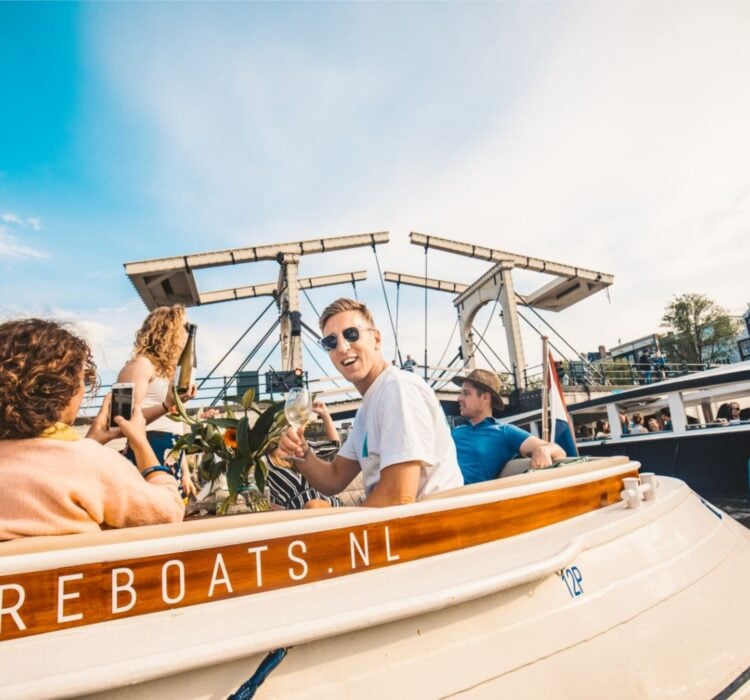
Canal experiences also facilitate connection. Whether travelling with a partner, family, or small group, the shared vantage point and relaxed atmosphere encourage conversation. Unlike museum visits where individuals often move at different paces, a boat journey keeps companions together, creating shared memories and reference points for future discussions.
The storytelling element matters significantly. When knowledgeable hosts share Amsterdam’s history, architecture, and culture through personal narrative rather than recorded audio, information becomes memorable. Visitors recall specific anecdotes about buildings they passed, stories about former residents, and insights into Dutch culture that transform their understanding of the city.
Finally, the experience feels complete in itself. A canal journey has a clear beginning, middle, and end. It requires no additional planning, no navigation, and no decisions about where to go next. This completeness, combined with the sensory richness and social quality, creates the conditions for lasting memory formation.
How Pure Boats Helps You Create Your Amsterdam Highlight
We designed our experiences specifically for visitors who expect their time on the water to match the quality of their accommodation and overall travel standards. Our semi-private cruise departing from Hotel De L’Europe exemplifies this approach, offering an intimate journey aboard the Stan Huygens, the vessel once chartered weekly by Freddy Heineken himself.
What makes our canal experiences distinctive:
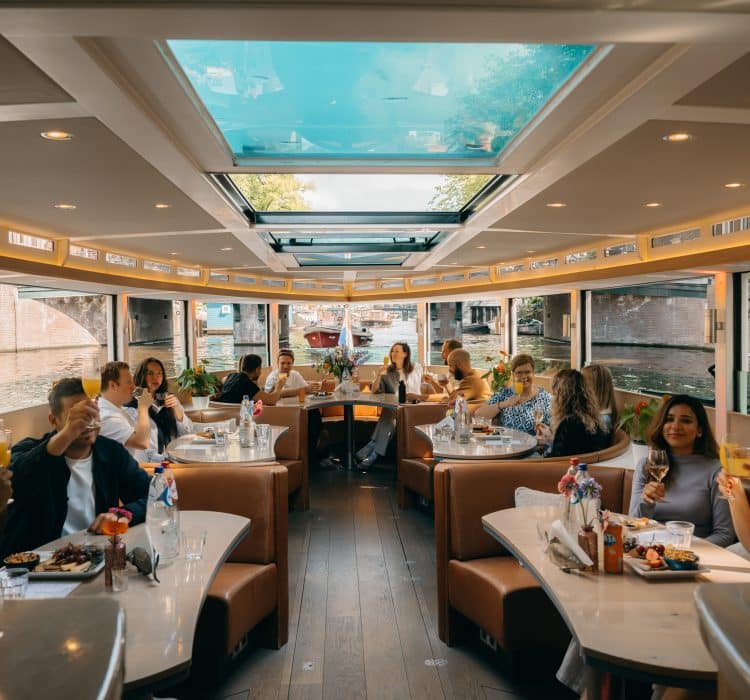
- Small groups of no more than 24 guests, with private booth options for those seeking complete exclusivity
- Routes through narrow canals inaccessible to large cruise operators, revealing residential Amsterdam
- Captains and hosts who engage in genuine conversation rather than scripted commentary
- Locally sourced refreshments including Dutch farmhouse cheese, craft beers, and quality European wines
- Fully electric, restored classic boats designed by our in-house superyacht team
Our 90-minute semi-private cruise includes two premium drinks and complimentary nibbles, departing from and returning to Hotel De L’Europe, where you can continue your day on the waterfront terrace or at Freddy’s Bar. For visitors seeking the refined, personal Amsterdam experience that becomes the highlight of their trip, we invite you to join us on the water.