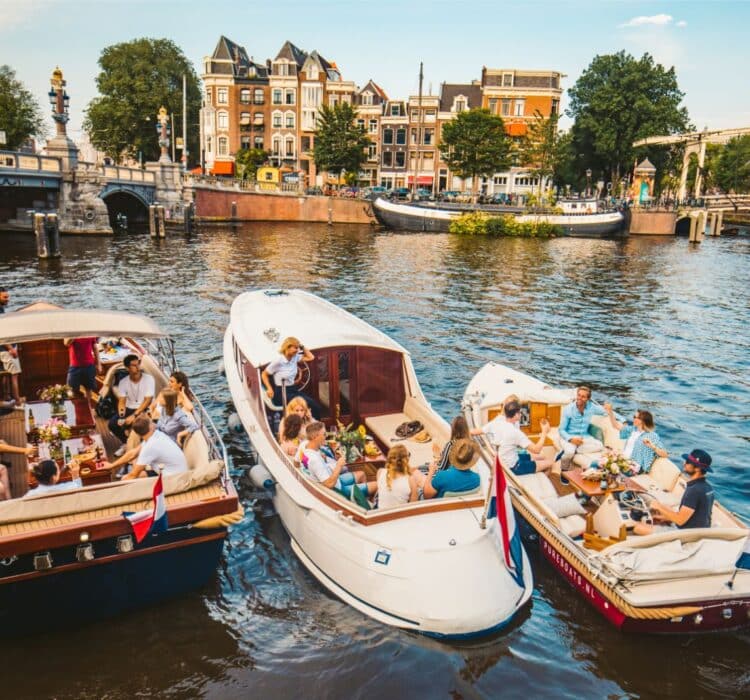
Most Amsterdam canal cruises present accessibility challenges due to the historic nature of the boats and canal infrastructure. Wheelchair accessibility varies significantly between operators, with many traditional canal boats featuring steps, narrow gangways, and limited deck space that make boarding difficult for wheelchair users. However, some operators offer more accessible options, and understanding what to look for helps you plan a comfortable Amsterdam canal cruise experience.
Are Amsterdam canal boats wheelchair accessible?
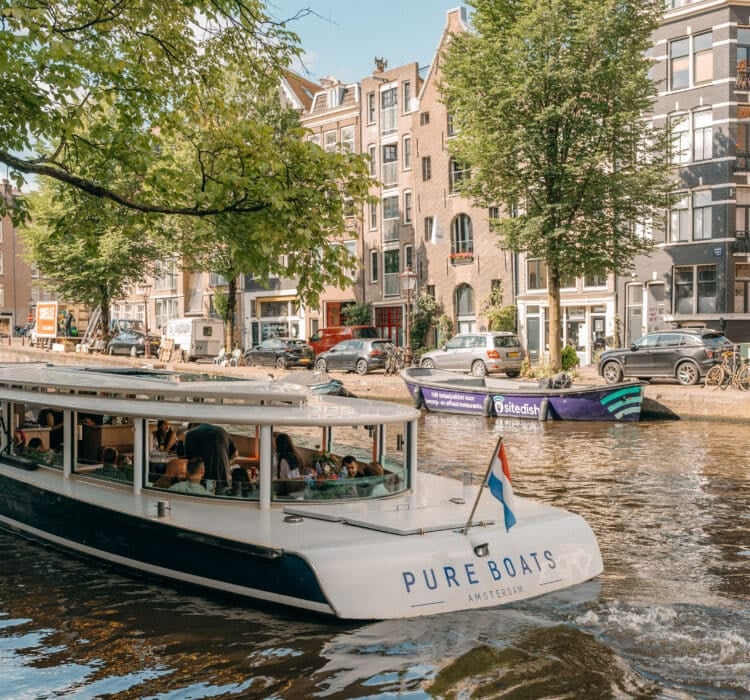
The honest answer is that most Amsterdam canal boats have limited wheelchair accessibility. The city’s canal cruise industry operates largely with historic vessels and traditional boats that weren’t designed with mobility aids in mind. Many feature raised decks, narrow doorways, and boarding processes that involve steps or uneven surfaces.
That said, accessibility exists on a spectrum. Larger commercial operators sometimes have vessels with lower decks and wider spaces, while smaller boutique companies may offer more flexibility through personalised arrangements. The key challenge lies in Amsterdam’s historic canal infrastructure itself. Docks were built centuries ago, and water levels fluctuate, creating variable conditions that affect boarding regardless of the boat’s design.
Visitors with mobility challenges should expect to do research before booking any Amsterdam canal cruise. Contacting operators directly provides the most accurate picture of what’s possible, as accessibility features aren’t always clearly listed online. Some companies are genuinely helpful in accommodating guests with specific needs, while others simply cannot do so due to their vessel configurations.
What accessibility features should you look for when booking an Amsterdam canal cruise?
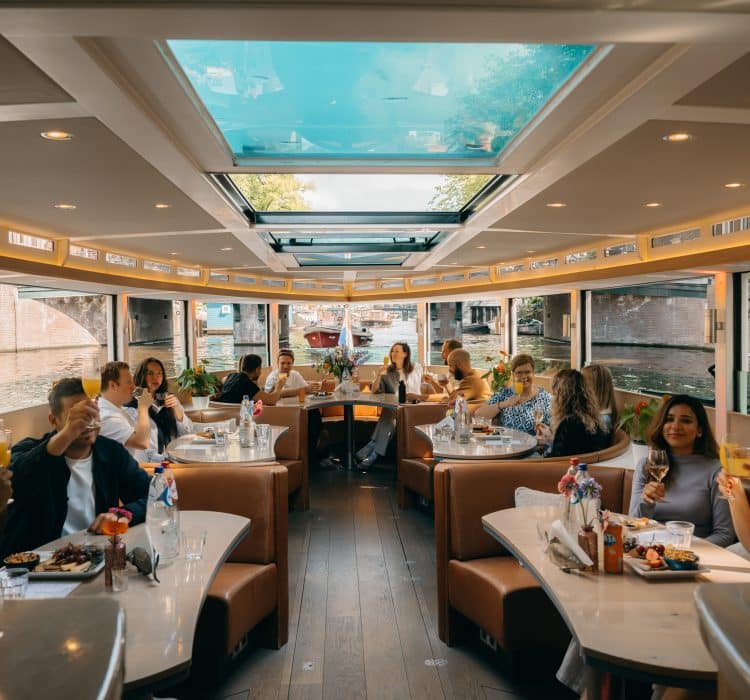
Step-free boarding is the most critical feature to investigate when planning an accessible canal experience. Beyond this, look for boats with flat deck layouts, adequate turning space for wheelchairs, stable gangways, and accessible seating arrangements that don’t require navigating stairs or narrow passages.
When contacting operators, ask specific questions about their boarding process. Find out whether there are steps involved, how wide the gangway is, and whether the boat has any level changes between areas. Enquire about seating flexibility and whether fixed benches can accommodate wheelchair users comfortably.
Accessible restroom facilities are rare on canal boats due to space constraints, so consider cruise duration when planning. A shorter Amsterdam canal cruise may be more practical than extended journeys if onboard facilities are a concern.
Operators who communicate accessibility information clearly and proactively tend to offer better experiences overall. If a company struggles to answer your questions or seems uncertain about its accessibility features, that’s often a sign its vessels may present challenges.
Can wheelchair users board canal boats in Amsterdam?
Wheelchair users can board certain canal boats in Amsterdam, though the process often requires advance planning and direct communication with operators. Success depends on the specific boat, dock location, water conditions on the day, and the type of mobility aid being used. Manual wheelchairs are generally easier to accommodate than powered chairs due to weight and size differences.
The boarding process typically involves a gangway between the dock and boat. Historic canal infrastructure means docks vary in height and stability, and water levels change throughout the day. Some operators use portable ramps or offer assistance with transfers, while others simply cannot accommodate wheelchairs safely.
Folding wheelchairs offer more flexibility, as some guests transfer to boat seating while their chair is stored. This isn’t possible for everyone, so be clear about your specific situation when booking. Operators need accurate information to assess whether they can genuinely accommodate your needs.
A private Amsterdam canal cruise often provides better accessibility than shared tours, as the entire boat can be configured around your requirements rather than fitting you into a standard setup.
How do you arrange an accessible canal cruise in Amsterdam?
Contact operators directly rather than booking online without a conversation. Email or call at least a week before your planned date, explaining your specific mobility needs, the type of wheelchair or mobility aid you use, and any assistance you might require during boarding or throughout the cruise.
Provide detailed information about your situation. Operators need to know wheelchair dimensions, whether you can transfer to standard seating, and how many people in your group might need accessibility accommodations. The more specific you are, the better they can assess whether their boats and departure locations will work for you.
Ask about departure points. Some docks in Amsterdam are more accessible than others, with better surfaces and more stable boarding conditions. A private boat tour in Amsterdam allows flexibility in choosing departure locations that work best for your needs.
Confirm arrangements in writing before your cruise date. Get details about where exactly to meet, what assistance will be available, and what to expect during boarding. Arrive early to allow extra time for the boarding process without feeling rushed.
What alternatives exist if standard canal cruises aren’t accessible enough?
When traditional Amsterdam canal cruise options present too many barriers, several alternatives let you experience the city’s waterways. A private boat tour in Amsterdam offers the most flexibility, as operators can often make special arrangements for smaller groups that wouldn’t be possible on shared cruises.
We offer intimate experiences aboard our carefully restored electric boats, and while our historic vessels have their own accessibility considerations, our small group sizes mean we can discuss your specific needs and explore what’s possible. Our Ultimate Canal Cruise small group tour, for instance, accommodates up to 24 guests, allowing for more personalised attention than larger commercial operations.
Beyond private charters, consider canal-side experiences as alternatives. Many of Amsterdam’s most beautiful canal views are accessible from bridges, waterfront cafés, and pedestrian paths. Some visitors combine a shorter, manageable boat experience with extended time enjoying the canals from accessible vantage points along the water.
Whatever option you choose, direct communication with operators remains essential. Explaining your needs clearly helps companies like ours understand how we might accommodate you, or honestly advise if our boats aren’t suitable for your situation.