Prinseneiland is one of Amsterdam’s three Western Islands, artificially created in the early 17th century to support the city’s booming maritime trade. Located just northwest of the Jordaan neighbourhood, this compact island forms part of Amsterdam’s UNESCO-listed canal district and retains much of its original Golden Age character. Below, we answer the most common questions about this fascinating piece of Amsterdam’s history and explain why it remains a highlight of any Amsterdam canal cruise.
What is Prinseneiland and where is it located in Amsterdam?
Prinseneiland (Prince’s Island) is one of three artificial islands collectively known as the Westelijke Eilanden, or Western Islands, alongside Bickerseiland and Realeneiland. Situated in the northwest corner of Amsterdam’s historic centre, just beyond the Jordaan district, the island was constructed between 1610 and 1615 by reclaiming land from the IJ river. Its position places it within the boundaries of Amsterdam’s famous canal ring, which earned UNESCO World Heritage status in 2010.
The island is remarkably compact, measuring roughly 200 metres in length. Despite its small size, Prinseneiland possesses a distinct atmosphere that sets it apart from busier canal neighbourhoods. Narrow waterways surround the island on all sides, creating natural boundaries that have helped preserve its quiet, village-like character. The main street, Prinseneilandsgracht, runs along the southern edge, while smaller passages connect to the neighbouring islands via historic drawbridges.
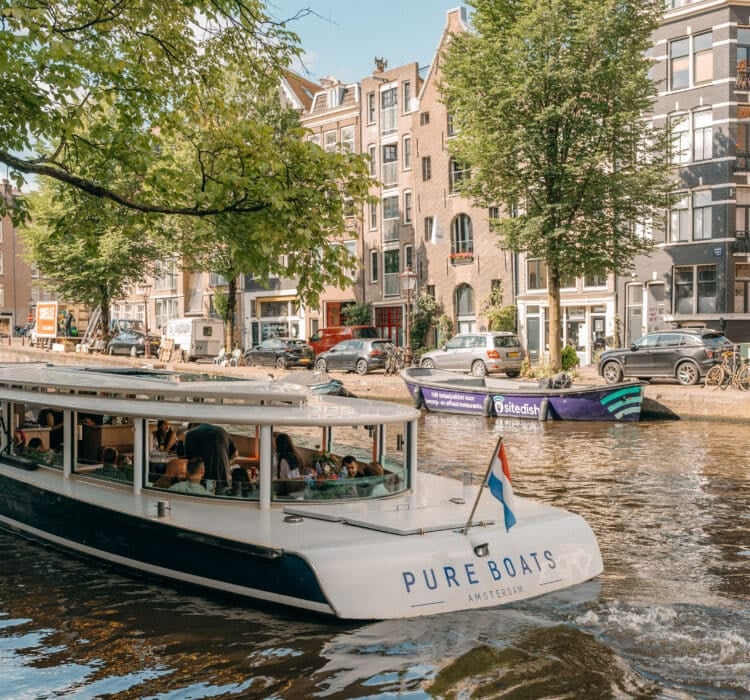
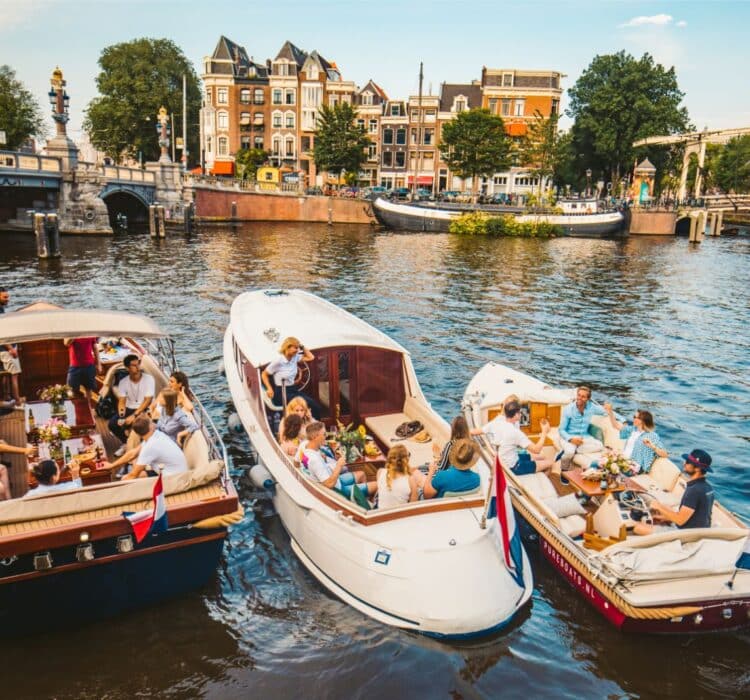
For visitors exploring Amsterdam by water, Prinseneiland offers a striking contrast to the crowded main canals. The narrow channels surrounding the Western Islands are inaccessible to larger tour boats, making this area best experienced aboard a private boat tour Amsterdam or a smaller vessel that can navigate these intimate waterways.
Why was Prinseneiland built during Amsterdam’s Golden Age?
Prinseneiland was constructed to meet the urgent demands of Amsterdam’s explosive growth during the Dutch Golden Age. As the city became Europe’s most important trading hub in the early 1600s, existing harbour facilities could no longer accommodate the volume of ships, goods, and maritime industries. The Western Islands were purpose-built to house shipbuilding yards, warehouses, and the various trades essential to maritime commerce.
The decision to create these islands outside the main city centre was strategic. Many maritime industries posed significant fire risks that city authorities wanted to keep at a safe distance. Tar boilers, rope makers, and shipbuilders worked with highly flammable materials, and several devastating fires in Amsterdam’s history had started in these trades. By relocating such activities to newly created islands separated by water, the city reduced the danger to its densely built centre.
Prinseneiland specifically served as a location for warehouses storing goods from the Dutch East India Company’s trading routes. The island’s name honours the Princes of Orange, reflecting the political climate of the era. Wealthy merchants invested in the island’s development, constructing the sturdy brick warehouses that still define its streetscape today. These pakhuizen stored everything from grain and timber to exotic spices arriving from distant colonies.
What historic buildings and landmarks can you find on Prinseneiland?
Prinseneiland preserves an exceptional collection of 17th-century warehouses and maritime buildings that have survived largely intact for over four hundred years. The island’s architecture tells the story of Amsterdam’s trading past through sturdy brick facades, distinctive hoisting beams, and large shuttered windows designed for storing and moving goods. Many buildings display their original gable stones, decorative plaques that identified warehouses before street numbering became standard.
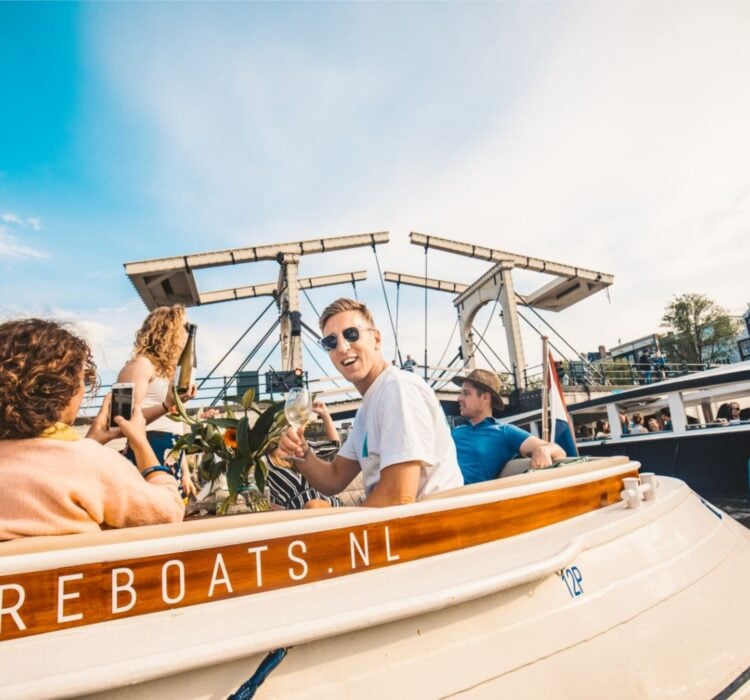
The most distinctive landmarks connecting Prinseneiland to its neighbours are the historic drawbridges. These wooden bridges, painted in traditional Amsterdam green, can still be raised to allow boats to pass, though this happens less frequently now than in centuries past. The bridges at Drieharingenbrug and Bickersgracht are particularly photogenic and represent classic Amsterdam canal scenery rarely captured by visitors who stick to the main tourist routes.
Walking along Prinseneilandsgracht, you will notice how the narrow street follows its original 17th-century layout. The buildings press close together, their upper floors jutting slightly forward to facilitate the hoisting of goods into storage areas. Many former pakhuizen have been converted into residential lofts and artist studios, their industrial interiors transformed into desirable living spaces while exterior facades remain protected by heritage regulations.
How did Prinseneiland transform from industrial island to residential neighbourhood?
Prinseneiland’s transformation from bustling maritime hub to tranquil residential enclave occurred gradually over two centuries. As Amsterdam’s shipping activities shifted to larger, more modern port facilities in the late 1800s, the Western Islands lost their commercial purpose. Warehouses emptied, shipyards closed, and the area entered a prolonged period of neglect that lasted well into the 20th century.
By the 1960s and 1970s, Prinseneiland had become one of Amsterdam’s forgotten corners. Low rents attracted artists, students, and urban pioneers seeking affordable space in the city centre. These early residents recognised the architectural value of the abandoned warehouses and began converting them into studios and living quarters. The area developed a bohemian reputation that gradually drew more attention to its unique character.
Gentrification accelerated from the 1980s onwards as Amsterdam’s property market expanded. The same qualities that had made Prinseneiland undesirable—its isolation and industrial heritage—became selling points for buyers seeking authentic Amsterdam character away from tourist crowds. Today, the island ranks among the city’s most sought-after addresses, with converted warehouses commanding premium prices while maintaining their historic exteriors under strict preservation rules.
What makes Prinseneiland a hidden gem for Amsterdam canal exploration?
Prinseneiland remains relatively unknown to visitors because its narrow surrounding canals cannot accommodate the large tour boats that dominate Amsterdam’s main waterways. This natural barrier has preserved the island’s peaceful atmosphere while the famous Prinsengracht and Herengracht buzz with tourist traffic just minutes away. For those seeking authentic Amsterdam character, the Western Islands offer a glimpse of canal life as locals experience it.
The intimate scale of Prinseneiland’s waterways makes them ideal for exploration aboard smaller vessels. A private canal cruise Amsterdam allows you to glide past historic warehouse facades, pass beneath the wooden drawbridges, and appreciate architectural details invisible from street level. The water perspective reveals how the island’s buildings were designed to interact with the canals, their loading doors and hoisting beams positioned for easy transfer of goods between boat and warehouse.
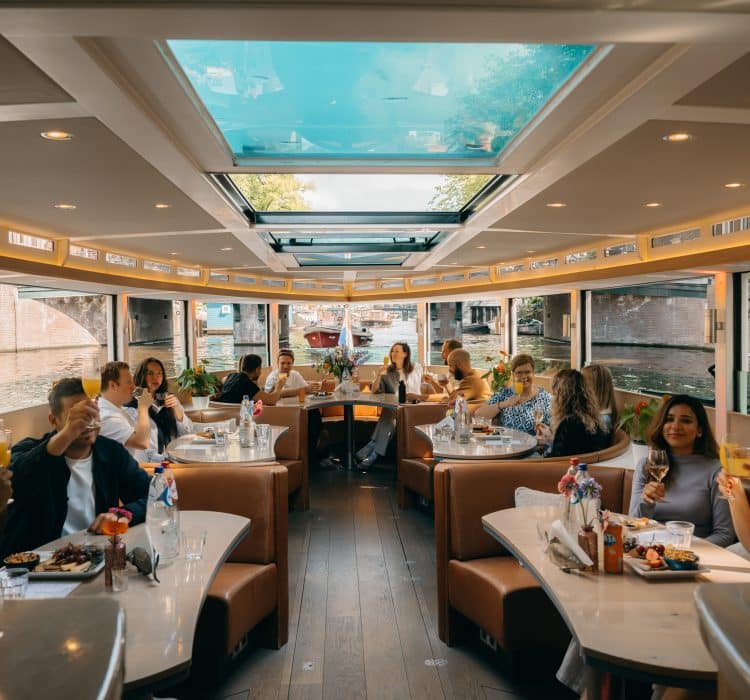
We include Prinseneiland on our Ultimate Canal Cruise route precisely because it showcases a side of Amsterdam that most visitors never discover. Our electric boats can navigate the narrow channels where larger companies cannot go, bringing guests close enough to appreciate the texture of centuries-old brickwork and the reflections dancing on quiet water. The contrast between this peaceful island and the lively Jordaan district nearby captures the wonderful variety of Amsterdam’s canal neighbourhoods.
Exploring Prinseneiland by water connects you directly to Amsterdam’s maritime heritage. The same waterways that once carried trading vessels now offer a peaceful escape and some of the most photogenic canal views in the city. Whether you choose a private boat tour or join a small group cruise, the Western Islands reward those willing to venture beyond the obvious attractions and discover the stories written in Amsterdam’s historic stones and quiet waters.