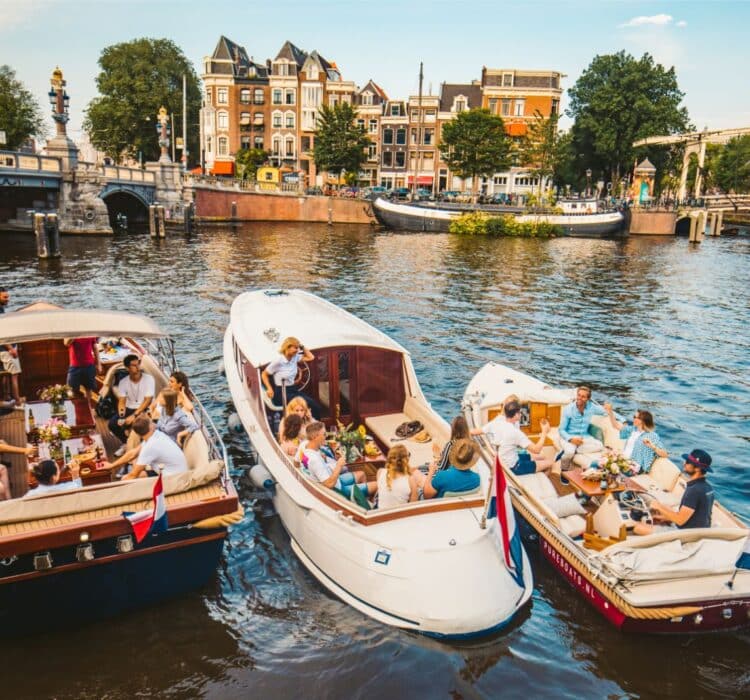
Sustainable luxury canal cruises combine environmental responsibility with premium experiences by using fully electric boats, restored vintage vessels, locally sourced provisions, and thoughtful design that prioritizes both comfort and ecological values. These cruises prove that enjoying high-end amenities doesn’t require compromising on environmental principles. Below, we answer the most common questions about how sustainable luxury canal cruises actually work.
What makes a canal cruise both sustainable and luxurious?
A sustainable luxury Amsterdam canal cruise achieves both goals through fully electric propulsion, restored heritage vessels, locally sourced food and drinks, and design choices that minimize environmental impact while maximizing guest comfort. True luxury in this context means experiencing premium amenities without the guilt of harming the waterways you’re enjoying.
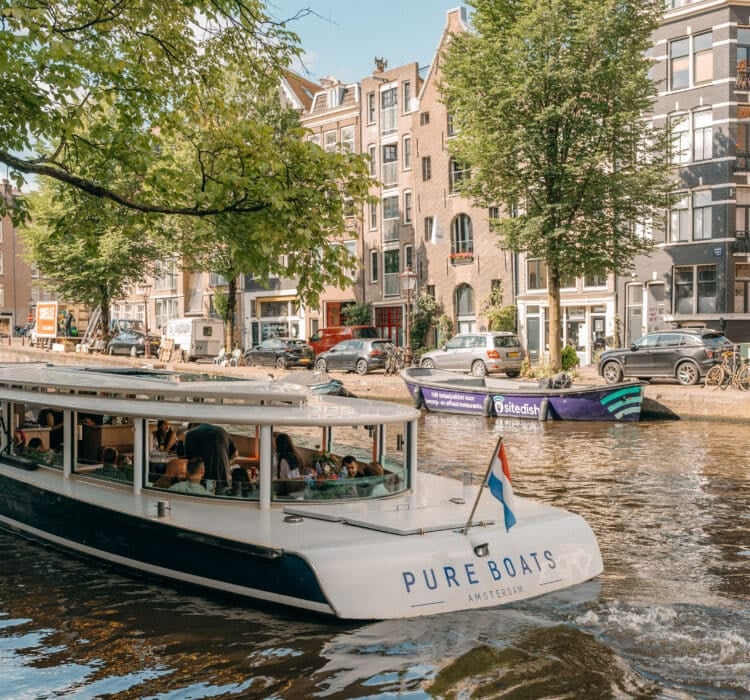
Electric boats eliminate emissions and noise pollution entirely, creating a cleaner, quieter experience for guests and the surrounding environment. Rather than building new vessels, the most sustainable operators restore and upcycle classic boats, giving century-old craft new life while honoring their heritage. This circular economy approach reduces manufacturing waste and preserves maritime history.
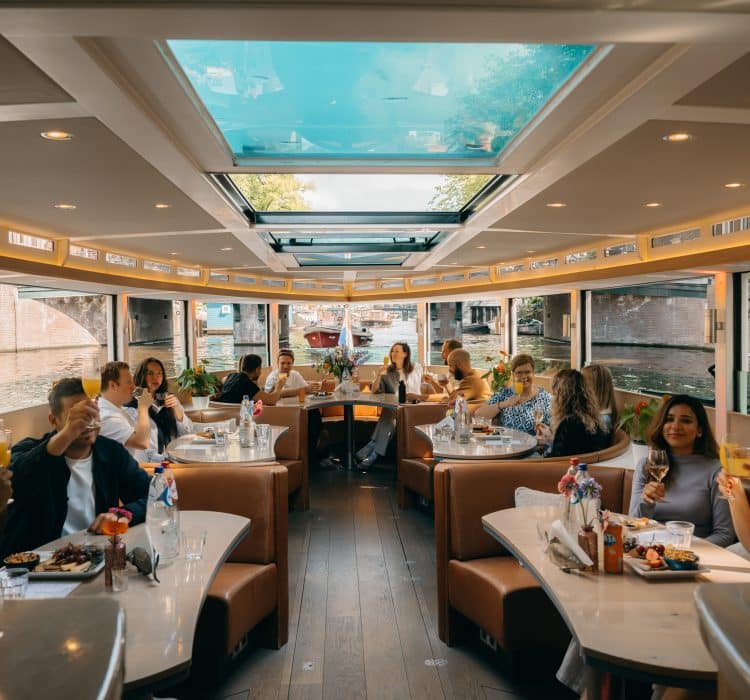
Locally sourced catering plays a significant role too. When your cheese comes from Dutch farmhouses and your craft beer from nearby breweries, the carbon footprint of your refreshments shrinks considerably. Thoughtful design extends to every detail, from waste reduction practices to materials that age gracefully without frequent replacement.
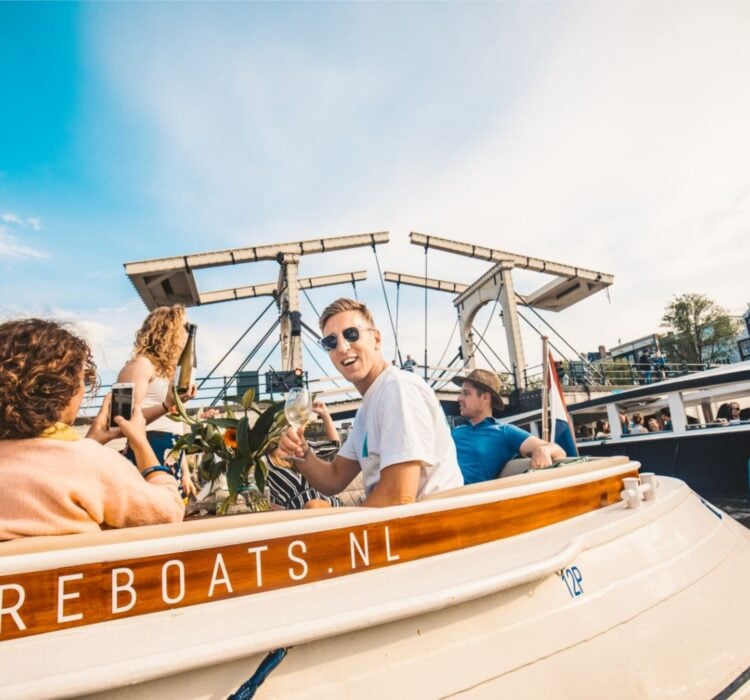
What makes this approach genuinely luxurious is the absence of compromise. You enjoy exceptional comfort, beautiful surroundings, and attentive service while knowing your experience contributes positively to the environment rather than depleting it.
How do electric canal boats create a better cruising experience?
Electric canal boats dramatically improve the cruising experience by eliminating engine noise, removing fuel fumes, providing smooth operation, and enabling access to narrow waterways that larger motorized vessels cannot navigate. The result is a more intimate, comfortable, and immersive journey through Amsterdam’s historic canals.
The most noticeable difference is the quiet. Without a diesel engine rumbling beneath your feet, you can hold natural conversations at a normal volume. You hear the gentle lap of water against the hull, birds calling from canal-side trees, and the ambient sounds of the city floating across the water. This creates a genuinely peaceful atmosphere that diesel boats simply cannot match.
Air quality onboard improves substantially without exhaust fumes. There’s no lingering smell of fuel, no smoke drifting past, and no need to position yourself upwind from the engine. Guests with sensitivities to fumes find electric boats far more comfortable.
The smooth, vibration-free operation of electric motors adds another layer of comfort. Your drink stays steady in your glass, and there’s no constant thrumming through the deck. This refined experience allows you to focus entirely on the stunning canal-side architecture, the play of light on the water, and the stories your captain shares about Amsterdam’s rich history.
What sustainable practices should you look for in a luxury boat tour?
When evaluating a luxury boat tour’s sustainability credentials, look for vessel restoration rather than new construction, locally and seasonally sourced catering, clear waste reduction practices, partnerships with local suppliers, and transparent communication about environmental commitments. These indicators distinguish genuinely eco-conscious operators from those making superficial claims.
Vessel history matters considerably. Operators who restore and upcycle existing boats demonstrate commitment to circular economy principles. Ask about the boat’s origins and restoration process. Classic vessels transformed from near-scrap into beautiful electric cruisers represent a far more sustainable approach than commissioning new builds.
Examine the catering offering carefully. Sustainable operators prioritize local producers, seasonal ingredients, and regional specialties. When your wine comes from European vineyards and your snacks from nearby artisans, transportation emissions drop significantly. Seasonal menus that change throughout the year indicate genuine attention to environmental impact.
Waste practices reveal much about an operator’s values. Look for evidence of recycling programs, minimal single-use plastics, and thoughtful portion management. Some operators work toward near-zero-waste environments through careful planning and supplier relationships.
Transparency is perhaps the most telling sign. Operators genuinely committed to sustainability discuss their practices openly and honestly, acknowledging both achievements and ongoing improvements rather than making vague green claims.
Why are smaller group sizes important for sustainable canal cruises?
Smaller group sizes contribute to sustainability by reducing environmental impact per vessel, enabling access to narrow historic waterways, decreasing wear on canal infrastructure, and creating intimate atmospheres where genuine connections between guests and crew become possible. Limited capacity serves both ecological and experiential goals simultaneously.
From an environmental perspective, smaller boats consume less energy even with electric propulsion. They create less wake, which reduces erosion of historic canal walls and disturbance to wildlife. The cumulative impact of many small vessels operating thoughtfully is far gentler than that of fewer large boats churning through the waterways.
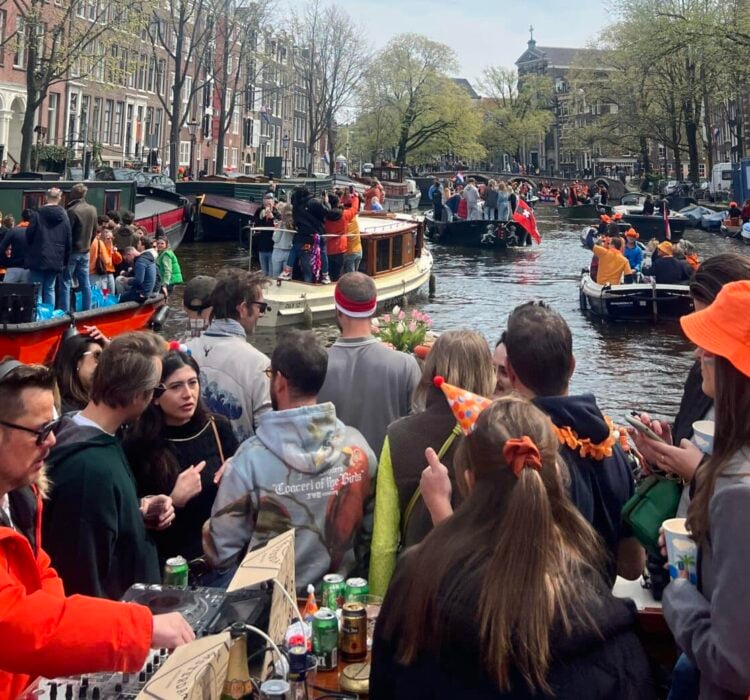
Amsterdam’s canal network includes many narrow passages and historic waterways that larger tour boats cannot navigate. Smaller vessels access these quieter, more picturesque routes, distributing tourist traffic more evenly and reducing congestion on main canals. This benefits both the infrastructure and the guest experience.
The experiential benefits are equally significant. With fewer guests aboard, captains can offer truly personalized service and customized routes based on what interests your particular group. Real conversations replace scripted commentary. You might learn why Amsterdam residents traditionally keep their curtains open or hear stories about the neighborhood you’re passing through.
This intimacy transforms a canal cruise from passive sightseeing into genuine cultural exchange, all while treading more lightly on the environment.
How does local sourcing enhance the sustainable luxury cruise experience?
Local sourcing enhances sustainable luxury cruises by reducing transportation emissions, supporting regional economies, providing fresher and higher-quality provisions, creating authentic cultural connections, and enabling seasonal menu variations that reflect environmental awareness. The result is a more meaningful, place-specific experience that advances sustainability goals.
When provisions travel shorter distances from supplier to boat, the carbon footprint of your Amsterdam canal cruise refreshments decreases substantially. Dutch farmhouse cheeses, local craft beers, and regionally produced wines all represent lower-impact choices compared to imported alternatives.
Quality improves alongside sustainability. Locally sourced products are typically fresher, having spent less time in transit and storage. Artisan producers often maintain higher standards than mass manufacturers, resulting in genuinely superior food and drink offerings. The difference is noticeable in every bite and sip.
Perhaps most importantly, local sourcing creates authentic cultural connection. Enjoying Dutch cheese while gliding past 17th-century canal houses grounds your experience in place and tradition. You’re not just seeing Amsterdam; you’re tasting it. Seasonal variations in the menu reflect the natural rhythms of the region, adding another layer of authenticity.
Supporting local suppliers also strengthens the community economy. Your cruise contributes to nearby businesses, artisan producers, and regional traditions rather than distant corporations. This creates a virtuous cycle in which tourism genuinely benefits the destination.
Choosing a sustainable luxury canal cruise means enjoying Amsterdam’s waterways at their finest while contributing positively to the city’s future. We believe that real luxury should feel effortless and leave no trace, allowing you to create lasting memories without environmental compromise. Our Ultimate Canal Cruise embodies these principles, offering a two-hour journey through Amsterdam’s most beautiful waterways aboard fully electric, lovingly restored vessels, complete with locally sourced refreshments and intimate group sizes that make every moment feel personal.