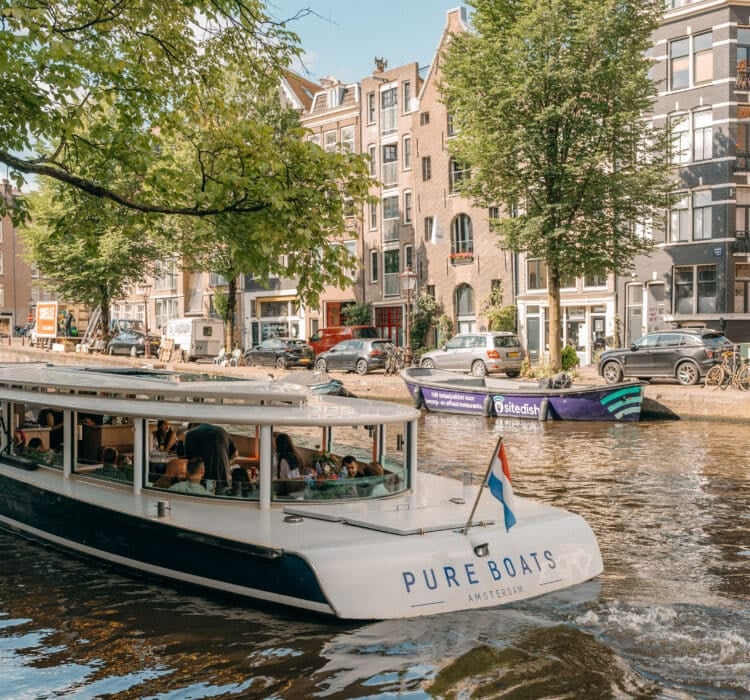
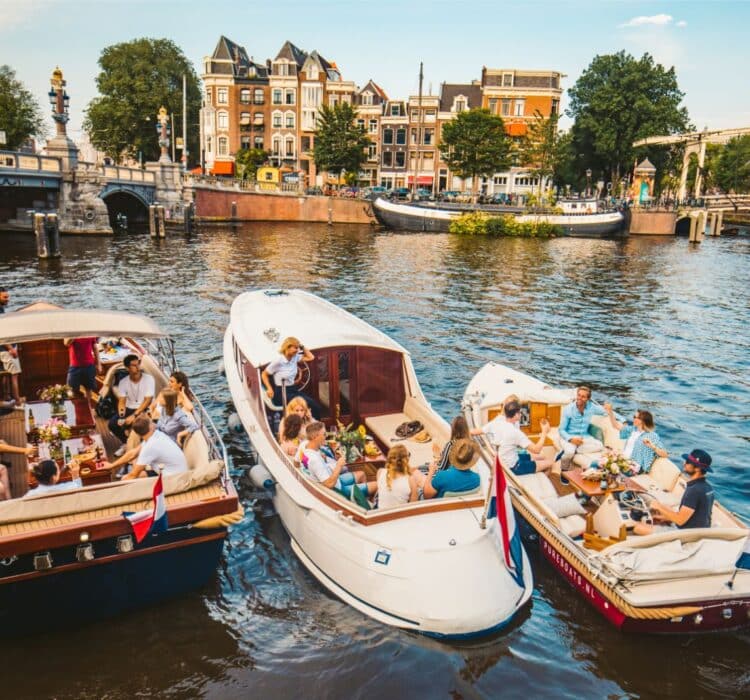
The most scenic Amsterdam canal tour route follows the UNESCO-listed 17th-century Canal Ring, weaving through the Herengracht, Keizersgracht, and Prinsengracht before exploring the narrow Jordaan waterways, where historic merchant houses and hidden gardens line both banks. This route combines architectural grandeur with intimate neighbourhood charm that larger vessels simply cannot reach.
What makes a canal route truly scenic depends on more than famous landmarks. The best routes balance iconic sights with quieter stretches where Amsterdam’s authentic character emerges. Below, we answer the key questions that help you find the perfect scenic journey through the city’s historic waterways.
Which Amsterdam Canals Are UNESCO World Heritage Listed?
Amsterdam’s 17th-century Canal Ring, known locally as the Grachtengordel, received UNESCO World Heritage status in 2010. This designation covers the three main concentric canals built during the Dutch Golden Age: the Herengracht (Gentlemen’s Canal), Keizersgracht (Emperor’s Canal), and Prinsengracht (Prince’s Canal), along with their connecting waterways and historic structures.
The UNESCO listing recognises this canal system as an outstanding example of large-scale urban planning that influenced city design across Europe and beyond. Unlike natural heritage sites, the Canal Ring earned its status for human ingenuity. Engineers constructed these waterways between 1613 and 1662 to drain marshland, manage water levels, and create a prosperous trading hub.
When you cruise through these canals, you pass approximately 1,550 monumental buildings. The characteristic narrow facades with ornate gable tops tell the story of Amsterdam’s merchant past. Property taxes were once calculated by facade width, which explains why homes stretch vertically rather than horizontally. The hoisting hooks at the top of many buildings served to lift goods and furniture through upper windows, as the steep internal staircases were too narrow for large items.
A scenic canal tour that covers all three main UNESCO canals typically requires at least 90 minutes. Shorter tours often focus on one or two of these waterways, combined with sections of the Amstel River or the harbour area.
What Hidden Canal Routes Can Only Small Boats Access?
Small boats can navigate approximately 40 additional kilometres of narrow waterways that remain inaccessible to standard canal cruise vessels. These include the intimate channels of the Jordaan neighbourhood, the Reguliersgracht with its famous seven bridges view, and the quiet residential canals of the Plantage district, where houseboats and private gardens create an entirely different atmosphere.
The reason for this access difference comes down to simple physics. Standard canal cruise boats measure 12 to 20 metres in length and require significant clearance beneath bridges. The smaller waterways feature lower bridges, sharper turns, and narrower passages that only vessels under 10 metres can comfortably navigate.
The Jordaan’s Secret Waterways
The Jordaan district contains some of Amsterdam’s most photogenic canal stretches. Originally a working-class neighbourhood, it has transformed into a sought-after residential area while retaining its village-like character. The Bloemgracht, Egelantiersgracht, and Leliegracht wind through streets lined with independent galleries, artisan workshops, and cafes that spill onto canalside terraces.
On these narrower routes, you can observe details invisible from the main canals. Residents tend window boxes overflowing with flowers. Cats sun themselves on houseboats. The pace feels noticeably slower, and the experience shifts from sightseeing to genuine immersion in local life.
The Reguliersgracht and Beyond
The Reguliersgracht offers one of Amsterdam’s most photographed perspectives: standing on the Thorbeckeplein bridge, you can see seven consecutive bridges arching over the water. From a small boat, you cruise beneath these bridges, experiencing the view from water level as the arches frame each other in perfect alignment.
Beyond the Reguliersgracht, smaller vessels can explore the Amstelveld area, the quiet stretches behind the Hermitage Museum, and the residential waterways of Amsterdam East. These routes reveal a city that tourists rarely see, where locals walk dogs along the water’s edge and children play in canalside gardens.
When Is the Best Time of Day for a Scenic Canal Cruise?
The golden hour before sunset, typically between 6pm and 8pm in the summer months, offers the most scenic conditions for an Amsterdam canal cruise. During this window, warm light illuminates the historic facades, the water reflects the sky in rich colours, and the city transitions from daytime bustle to evening calm.
However, the optimal time depends on what you want from your experience. Each part of the day offers distinct advantages.
Morning cruises between 9am and 11am provide the calmest water conditions and the fewest other boats. The canals feel almost private during these hours, and you can photograph buildings without crowds or vessel traffic in your shots. Light tends to be clear but cooler, ideal for capturing architectural details.
Midday cruises suit those prioritising warmth and visibility. In 2026, Amsterdam’s summers remain pleasant for outdoor activities, and the overhead sun eliminates shadows that might obscure building facades. The trade-off is increased boat traffic and busier canalside areas.
Late afternoon brings a gradual shift in atmosphere. Locals return from work, restaurants set up outdoor seating, and the city’s social rhythm becomes visible from the water. The light softens progressively, making this a versatile choice.
Evening cruises after sunset offer a completely different experience. Amsterdam’s bridges illuminate with strings of lights, restaurants glow warmly along the water, and the city takes on a romantic quality. During the Amsterdam Light Festival in the winter months, evening cruises become essential for viewing the illuminated art installations along the canals.
What Landmarks Should a Scenic Route Include?
A comprehensive scenic route should include the Anne Frank House waterfront, the Westerkerk church tower, the Magere Brug (Skinny Bridge) over the Amstel, the Golden Bend section of the Herengracht, and the historic warehouse district of the Entrepotdok. These landmarks span different eras and neighbourhoods, providing a complete picture of Amsterdam’s development.
The Anne Frank House, while primarily visited on foot, presents a different perspective from the water. Seeing the building from the Prinsengracht helps you understand the neighbourhood context and the hiding place’s proximity to daily canal life during the occupation years.
The Westerkerk, with its distinctive blue crown tower, serves as a navigation point visible from multiple canal approaches. Rembrandt was buried here in 1669, and the church bells that ring across the neighbourhood feature in Anne Frank’s diary as a source of comfort during her hiding.
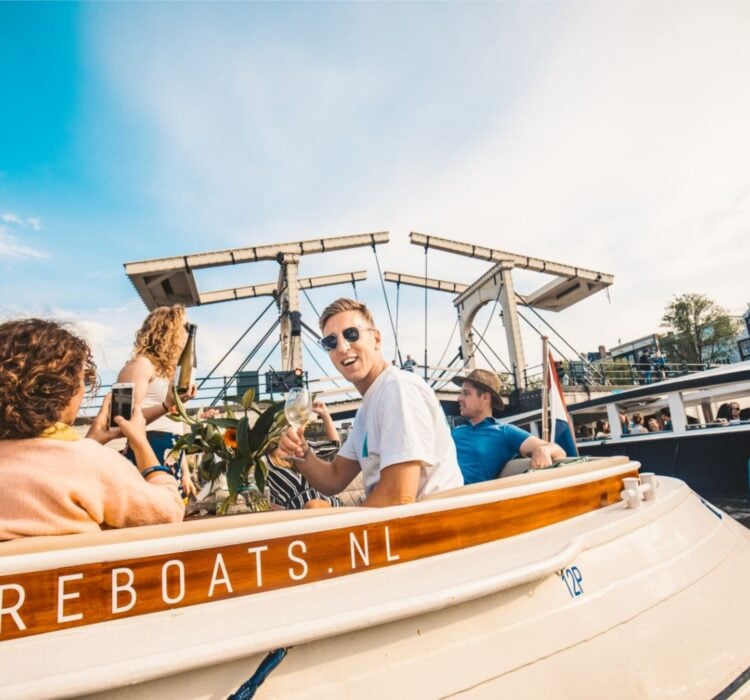
The Magere Brug crosses the Amstel River and remains one of Amsterdam’s few remaining wooden drawbridges. At night, over 1,200 lights illuminate its structure. During the day, you might witness the bridge opening to allow taller vessels through.
The Golden Bend, a stretch of the Herengracht between Leidsestraat and Vijzelstraat, contains the most opulent canal houses in Amsterdam. These double-width mansions were built by the wealthiest merchants of the Golden Age. Their elaborate facades, formal gardens, and coach houses demonstrate wealth on a scale unusual even for prosperous Amsterdam.
The Entrepotdok, a former customs warehouse district, has been converted into residential and commercial space while retaining its industrial character. The long brick buildings, each labelled with the name of a different city, once stored goods from around the world awaiting customs clearance.
How Do Private Tours Differ From Standard Canal Cruises?
Private tours offer customised routes, flexible timing, personalised commentary, and exclusive use of the vessel, while standard cruises follow fixed routes on scheduled departures with recorded audio guides and shared seating among strangers. The difference extends beyond exclusivity to fundamentally different experiences of the same waterways.
On standard canal cruises, vessels typically carry 50 to 150 passengers. Routes prioritise efficiency, covering major landmarks within strict time limits. Commentary comes through headphones in multiple languages, delivering scripted information without opportunity for questions or detours.
Private and semi-private experiences operate differently in several key ways. Routes can be adjusted based on passenger interests. If you want to spend more time in the Jordaan or explore a particular canal, the captain can accommodate. Commentary becomes conversation, with knowledgeable hosts sharing stories and answering questions about architecture, history, and local culture.
The atmosphere shifts dramatically with smaller groups. Rather than sitting shoulder to shoulder with strangers, you have space to move around the vessel, choose your seating, and engage with your companions. The experience feels less like transport and more like exploration.
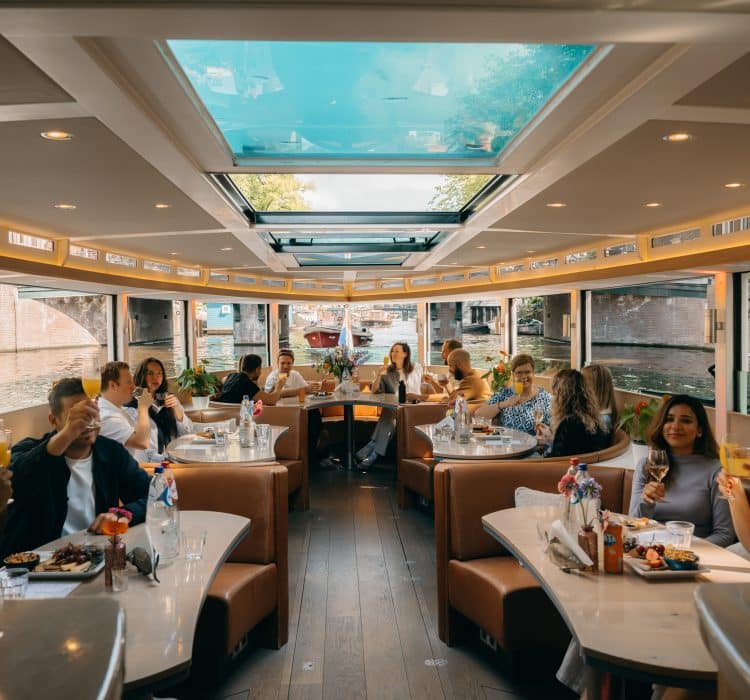
Refreshments also differ substantially. Standard cruises may offer basic drinks at additional cost. Private and premium semi-private options typically include curated selections of local beverages and food, transforming the cruise into a complete hospitality experience rather than simple sightseeing. For those seeking an elevated experience, the semi-private premium cruise from Hotel De L’Europe combines intimate group sizes with exceptional service.
How Pure Boats Helps You Find the Most Scenic Canal Route
We specialise in creating exactly the kind of scenic, intimate canal experiences described throughout this article. Our fleet of restored electric boats, including vessels over 100 years old, can access the narrow waterways that larger cruise companies cannot reach.
Our semi-private cruise aboard the Stan Huygens offers:
- Departure from Hotel De L’Europe, positioned perfectly for exploring both the UNESCO Canal Ring and hidden Jordaan waterways
- 90 minutes of cruising with a maximum of 12 guests, ensuring an intimate atmosphere
- Live commentary from knowledgeable hosts who share genuine stories rather than scripted facts
- Two premium drinks and Dutch nibbles included throughout your journey
- The option to reserve a private booth, including the rear cabin once favoured by Freddy Heineken himself
Our captains know routes that reveal Amsterdam’s most scenic stretches, from the famous seven bridges of the Reguliersgracht to quiet residential canals where locals wave from their houseboats. Every cruise is fully electric, meaning you experience the city in near silence while leaving zero emissions on the water.
Book your scenic canal experience with us and discover why guests describe their cruise as the highlight of their Amsterdam visit.