Locals experience Amsterdam differently because they know where to look beyond the tourist zones, move at a slower pace, and seek out the quiet corners, neighbourhood rituals, and hidden waterways that most visitors never discover. They treat the city as a living home rather than a checklist of attractions, which fundamentally changes what they notice, where they go, and how they connect with the canals. Below, we explore the specific differences that separate a local’s Amsterdam from the typical tourist experience.
What Do Locals Notice About Amsterdam That Tourists Miss?
Locals notice the small, everyday details that reveal Amsterdam’s true character: the way light reflects off canal water at golden hour, the unwritten social codes of cycling, and the architectural quirks that tell centuries of history. They see the city as a collection of neighbourhoods with distinct personalities rather than a single tourist destination.
While visitors often focus on the major attractions, residents pay attention to things like the ornate gable stones above doorways that once served as house numbers, the subtle tilt of canal houses caused by centuries of settling into soft soil, and the way locals leave their curtains open as a cultural tradition rooted in Calvinist values of having nothing to hide.
Amsterdam residents also notice seasonal rhythms that short-term visitors miss entirely. They know which bridges offer the best views at different times of day, which neighbourhood bakeries serve the freshest stroopwafels, and which quiet canal corners become magical during the golden light of late afternoon. This accumulated knowledge transforms a beautiful city into a deeply personal landscape filled with meaning and memory.
Where Do Amsterdam Residents Actually Spend Their Time?
Amsterdam residents spend most of their time in neighbourhood pockets like De Pijp, the Jordaan’s quieter streets, Amsterdam Noord, and the Eastern Docklands, where local cafés, markets, and parks create genuine community spaces away from the central tourist corridors.
The Jordaan, while popular with visitors, has hidden layers that only locals know. They frequent the small brown cafés tucked into side streets, visit the neighbourhood markets on Saturday mornings, and know which courtyards (hofjes) are open to respectful visitors. These enclosed gardens, originally built as almshouses for elderly women, remain peaceful retreats that most tourists walk past without noticing.
The De Pijp neighbourhood offers the Albert Cuyp Market, where locals shop for fresh produce, Dutch cheeses, and everyday goods rather than souvenirs. The area around Sarphatipark provides green space where families gather, dogs are walked, and the pace of life slows considerably compared to Dam Square or the Red Light District.
Amsterdam Noord, across the free ferry from Central Station, has transformed from industrial wasteland to a creative hub. Residents know it as home to independent restaurants, urban beaches along the IJ river, and cultural venues that feel distinctly un-touristy. The Eastern Docklands and Java Island offer modern architecture, waterside living, and a sense of Amsterdam’s future rather than just its historic past.
How Do Locals Navigate the Amsterdam Canals Differently?
Locals navigate Amsterdam’s canals as practical transportation routes and social spaces rather than scenic attractions. They use small boats for gatherings with friends, know which waterways connect to quieter residential areas, and understand the unwritten rules of canal traffic that keep the system flowing smoothly.
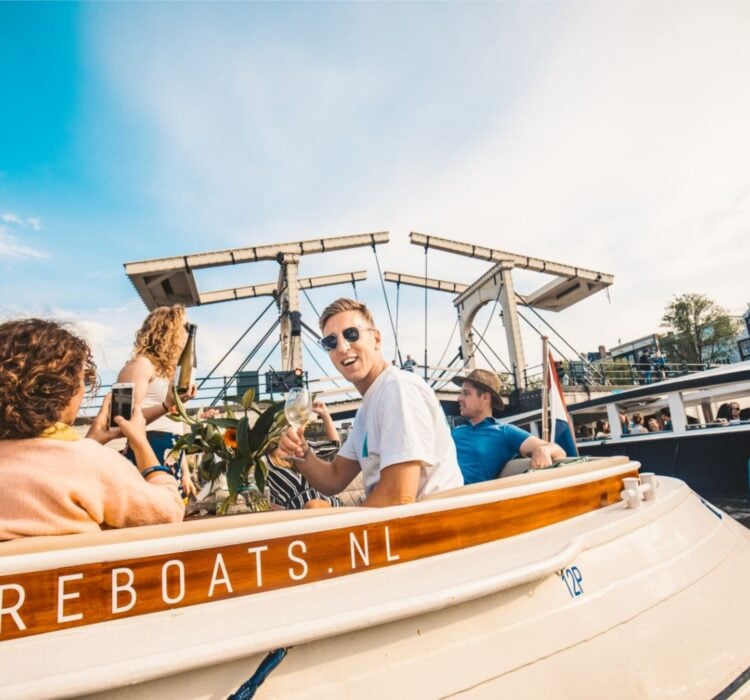
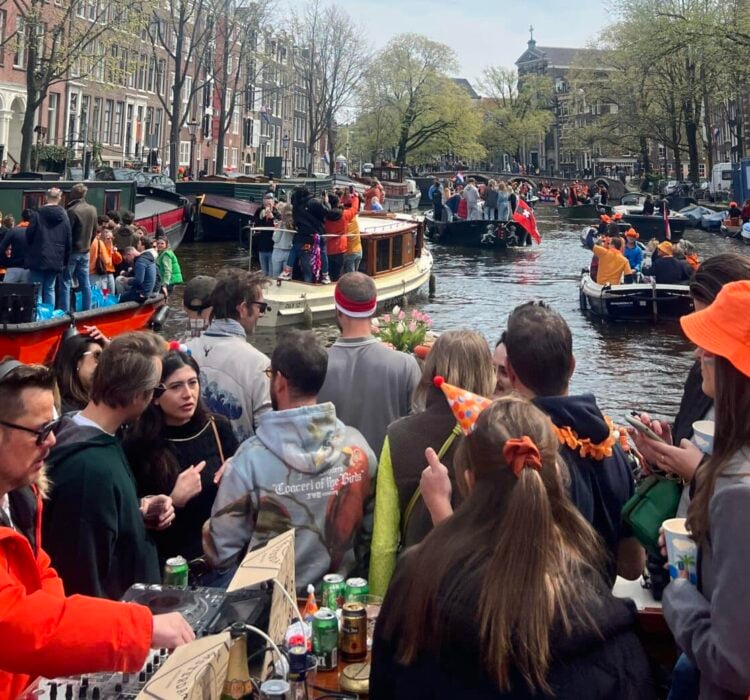
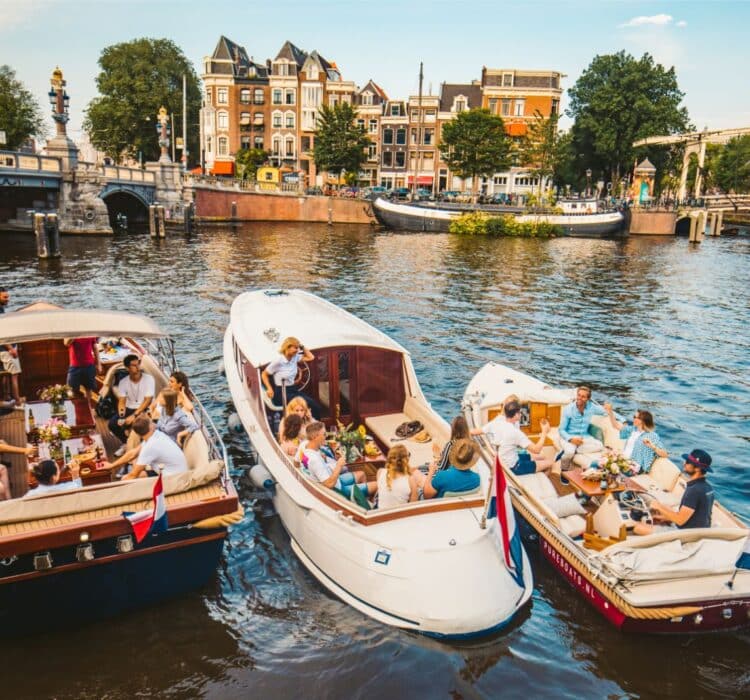
Many Amsterdam residents own or have access to small boats, which they use for summer picnics, birthday celebrations, and simply enjoying the water on warm evenings. These informal gatherings happen on the smaller canals away from the main tourist routes, where neighbours wave from houseboats and the atmosphere feels distinctly residential.
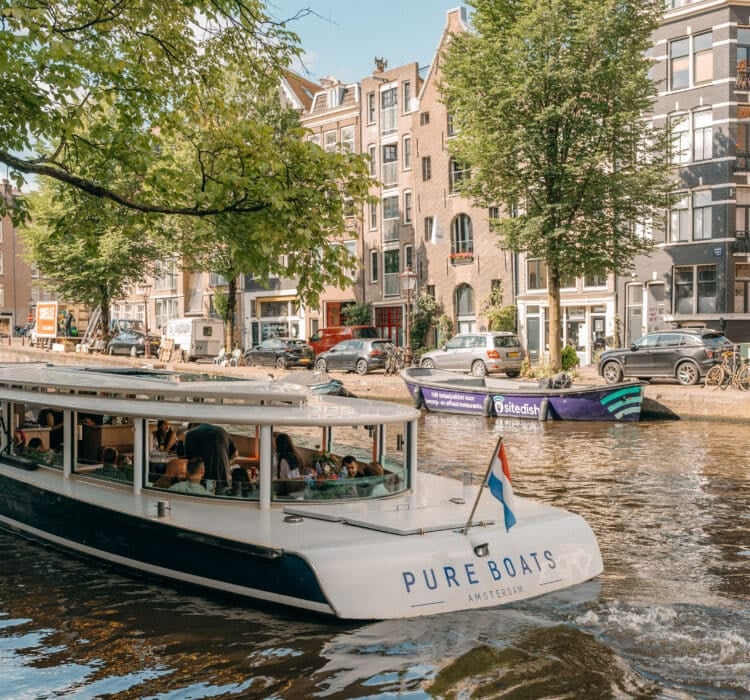
The canal system itself has a logic that locals understand intuitively. The main concentric canals (Herengracht, Keizersgracht, and Prinsengracht) form the UNESCO World Heritage ring, but connecting waterways lead into neighbourhood canals too narrow for large tour boats. These smaller passages reveal a different Amsterdam: laundry hanging from houseboats, children learning to swim from canal steps, and the quiet rhythm of daily life on the water.
Locals also know the best times to be on the canals. Early mornings offer glass-smooth water and soft light, while late summer evenings bring the social atmosphere of friends gathering on boats as the sun sets. They avoid the midday crowds and instead time their canal experiences for moments when the water feels like their own.
What Makes a Canal Tour Feel Local Rather Than Touristy?
A canal tour feels local when it prioritises genuine conversation over scripted commentary, explores smaller waterways that large boats cannot access, and creates space for passengers to observe and connect with the city rather than simply consume facts about it.
The difference begins with group size. Large tour boats carrying dozens of passengers create an anonymous experience where individual questions go unanswered and routes remain fixed regardless of passenger interest. Smaller groups allow for actual dialogue, spontaneous detours based on what passengers want to see, and the kind of personal connection that mirrors how locals experience the canals with friends.
Route selection matters enormously. Tourist boats typically stick to the main canals where their size permits passage, missing the intimate residential waterways that reveal Amsterdam’s true character. A local-feeling experience ventures into these narrower passages, past houseboats where residents tend window boxes, under low bridges that require ducking, and through neighbourhoods that feel lived-in rather than performed.
The quality of storytelling also separates tourist experiences from local ones. Rather than reciting dates and facts, a guide who shares the kind of stories locals tell each other, like why Amsterdam residents traditionally leave their curtains open or how certain canal houses earned their nicknames, creates an experience that feels like being shown around by a knowledgeable friend rather than processed through an attraction. A semi-private cruise from Hotel De L’Europe offers exactly this kind of intimate, story-driven experience.
Why Do Locals Value Certain Amsterdam Traditions Tourists Overlook?
Locals value Amsterdam traditions like gezelligheid (cosy togetherness), the ritual of afternoon borrel (drinks with snacks), and the seasonal rhythms of outdoor terraces and winter warmth because these practices create the social fabric that makes the city feel like home rather than a destination.
Gezelligheid defies direct translation but describes the warm, convivial atmosphere that Dutch culture prioritises. It happens in brown cafés where regulars know each other by name, on boats where friends gather with wine and cheese as the sun sets, and in living rooms where curtains stay open to share the warmth inside with passersby. Tourists experience the setting but often miss this underlying social warmth that gives Amsterdam its character.
The borrel tradition, typically occurring around 5 or 6 in the evening, represents a daily ritual of unwinding with colleagues or friends over drinks and bitterballen (fried meat snacks). This isn’t about consumption but about marking the transition from work to personal time, maintaining social connections, and participating in a shared cultural rhythm.
Seasonal traditions also hold deep meaning for residents. The anticipation of the first warm day when terrace season begins, the cosy retreat indoors when autumn arrives, and the magical transformation of the canals during the Amsterdam Light Festival all mark time in ways that visitors, seeing the city only once, cannot fully appreciate. These rhythms create belonging and continuity that transform a beautiful city into a genuine home.
How Pure Boats Helps You Experience Amsterdam Like a Local
We designed our experiences specifically to bridge the gap between tourist and local perspectives, offering the kind of intimate, unhurried canal experience that residents themselves treasure. Our approach prioritises everything that makes Amsterdam special to those who call it home.
- Small groups of 6 to 24 guests maximum, creating space for genuine conversation and personal connection
- Routes through narrow residential canals where large tour boats simply cannot go
- Captains who share real stories about Amsterdam life, including local traditions like why curtains stay open
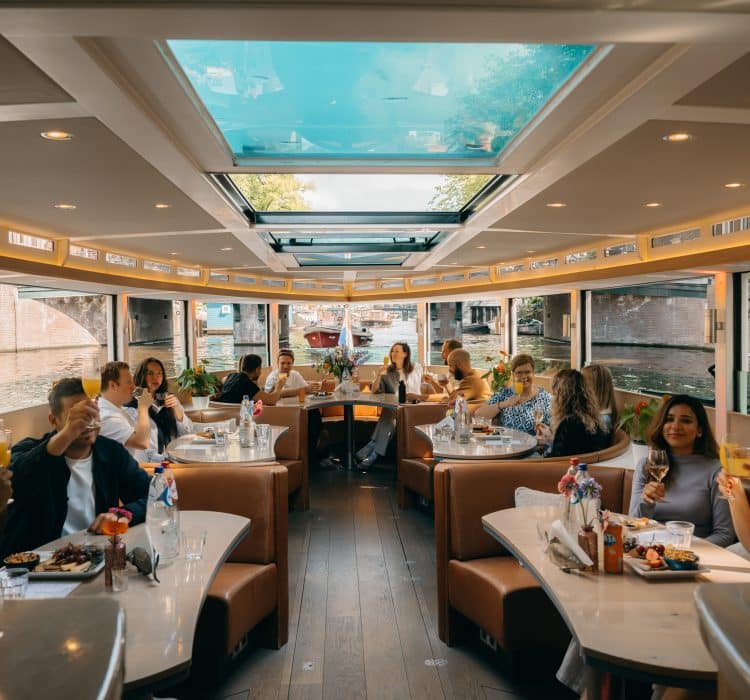
- Locally sourced food and drink, from Dutch farmhouse cheeses to seasonal craft beers and quality European wines
- Fully electric, restored classic boats that reflect Amsterdam’s commitment to sustainable canal life
Our semi-private cruise departing from Hotel De L’Europe offers exactly this kind of refined, local-feeling experience aboard the Stan Huygens, the historic vessel once chartered weekly by Freddy Heineken himself. With limited guests, premium drinks, and thoughtful storytelling rather than scripted commentary, it captures what locals love about their canals. Book your cruise and discover the Amsterdam that residents know and cherish.