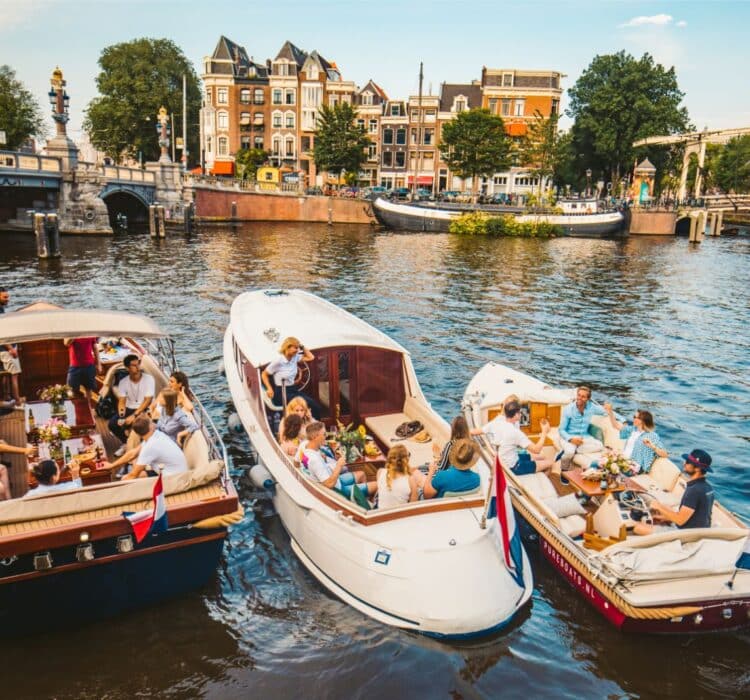
The top Amsterdam sightseeing highlights in the canal ring include the Golden Bend’s grand merchant houses, the Magere Brug (Skinny Bridge), the seven bridges view at Reguliersgracht, and the distinct character of each of the four main canals: Singel, Herengracht, Keizersgracht, and Prinsengracht. These landmarks form the core of the UNESCO World Heritage Grachtengordel, a 17th-century masterpiece of urban planning best appreciated from the water.
The canal ring offers layers of history, architecture, and hidden details that reveal themselves differently depending on your vantage point. Below, we answer the most common questions travellers ask about experiencing Amsterdam’s canal ring sightseeing highlights.
Which historic canal houses are worth seeing from the water?
The most impressive historic canal houses worth seeing from the water line the Golden Bend on Herengracht, where Amsterdam’s wealthiest 17th-century merchants built double-wide mansions with ornate gables and grand facades. These properties remain among the most valuable real estate in the Netherlands and showcase Dutch Golden Age prosperity at its peak.
Beyond the Golden Bend, several other canal houses deserve attention during your Amsterdam sightseeing journey. The House with the Heads on Keizersgracht features six Roman deities adorning its facade, while the Bartolotti House displays one of the finest examples of Dutch Renaissance architecture. Along Prinsengracht, the Anne Frank House draws millions of visitors annually, though its exterior appears deliberately modest compared to its neighbours.
What makes viewing these houses from the water so rewarding is the perspective. From street level, you look up at facades designed to impress. From a boat, you see the full proportions, the reflection in the water, and details like the hoisting beams still mounted at the top of most buildings. These beams served a practical purpose: Amsterdam’s narrow staircases made it impossible to move furniture, so residents hoisted belongings through windows using ropes and pulleys.
Many canal houses lean forward slightly, and this is intentional. The tilt prevents hoisted goods from scraping the facade and creates a visual effect that makes buildings appear taller. From the water, this architectural quirk becomes obvious and adds another layer to understanding how Amsterdam’s merchants thought about both function and appearance.
What makes the Grachtengordel a UNESCO World Heritage Site?
The Grachtengordel earned UNESCO World Heritage status in 2010 because it represents the largest planned city expansion of the 17th century, combining innovative hydraulic engineering with unified urban design. This canal ring demonstrated that function and beauty could coexist in city planning, influencing urban development worldwide for centuries.
UNESCO specifically recognized several elements that make the Grachtengordel exceptional. The concentric canal system solved practical problems: it provided drainage, transportation routes, and defensive barriers while creating an organized framework for residential and commercial development. The standardized plot widths, building heights, and setback requirements created visual harmony without sacrificing individual expression.
The designation covers approximately 165 hectares and includes over 1,500 monumental buildings. What impresses UNESCO evaluators and visitors alike is how well the original 17th-century plan remains intact. Unlike many historic city centres that suffered war damage or aggressive modernization, Amsterdam’s canal ring survived largely unchanged. Walking or cruising through the Grachtengordel in 2026 offers a genuine window into Golden Age urban life.
For travellers interested in Amsterdam sightseeing, the UNESCO status means more than a prestigious label. It ensures ongoing preservation efforts, strict building regulations, and a commitment to maintaining the authentic character that makes the canal ring special. The designation also recognizes the cultural significance of the area’s museums, churches, and public spaces that developed alongside the residential architecture.
Where do the smaller canals offer the best hidden views?
The best hidden views in Amsterdam’s canal ring appear along the smaller connecting canals, particularly Reguliersgracht, Bloemgracht, and Egelantiersgracht. These narrower waterways see fewer tourist boats and reveal intimate neighbourhood scenes: houseboats with rooftop gardens, locals cycling along tree-lined quays, and architectural details invisible from the main canals.
Reguliersgracht deserves special attention for its famous seven bridges view. Standing at the intersection with Herengracht, you can see seven arched bridges stretching into the distance, each framing the next. From the water, this perspective becomes even more dramatic, with the bridges appearing to stack upon each other as your boat approaches.
The Jordaan neighbourhood’s small canals offer a different character entirely. Bloemgracht, once home to dye workers and painters, now features some of the most photographed facades in Amsterdam. The three houses at numbers 87 to 91, known as the Three Hendricks, display step gables that have graced countless postcards and travel guides. From a boat, you can appreciate how these modest artisan homes differ from the grand merchant houses on the main canals.
Egelantiersgracht provides perhaps the most tranquil Amsterdam sightseeing experience. This canal runs through the heart of the Jordaan and connects to hidden courtyards called hofjes. While you cannot enter the hofjes from the water, cruising past their entrances gives context to this uniquely Amsterdam tradition of almshouse gardens tucked behind unassuming doorways.
The advantage of exploring smaller canals becomes clear when you consider what larger tour boats cannot access. Many standard canal cruises stick to the main waterways because their vessels are too wide for the tighter passages. Smaller boats can navigate these hidden routes, offering views that most visitors never see. A semi-private cruise from Hotel De L’Europe allows access to these intimate waterways that remain off-limits to larger vessels.
What Amsterdam bridges should you look for during a canal cruise?
The essential Amsterdam bridges to spot during a canal cruise include the Magere Brug (Skinny Bridge), the Blauwbrug (Blue Bridge), and the 15 bridges visible from the Reguliersgracht intersection. Each bridge tells a story about Amsterdam’s development and offers distinct photographic opportunities from the water.
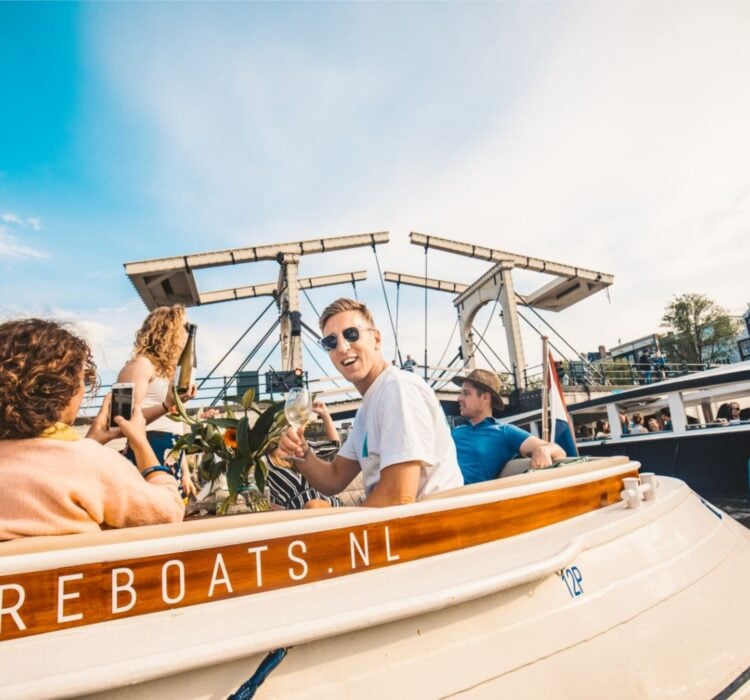
The Magere Brug spans the Amstel River and remains the most romantic bridge in Amsterdam. This white wooden drawbridge illuminates at night with over 1,200 lights, creating a scene that appears in countless films and photographs. Legend claims two sisters who lived on opposite sides of the river built the original bridge in 1691 because they wanted to visit each other more easily. The current structure dates to 1934 but maintains the traditional design.
The Blauwbrug connects Rembrandtplein to Waterlooplein and takes its name from an earlier blue-painted wooden bridge. The current stone bridge, completed in 1883, was modelled after the Pont Alexandre III in Paris and features ornate lampposts topped with imperial crowns. From the water, the bridge’s grand proportions and decorative elements stand out against Amsterdam’s typically understated architecture.
For Amsterdam sightseeing enthusiasts who appreciate engineering, the many drawbridges along the canals demonstrate how the city balanced water traffic with pedestrian and vehicle movement. Watching a drawbridge open for a passing boat provides a glimpse into daily Amsterdam life that predates automobiles by centuries. The city maintains over 1,200 bridges, more than Venice, though most visitors never realize this fact.
The Torensluis bridge on Singel holds the distinction of being Amsterdam’s oldest and widest bridge, dating to 1648. Its extra width once accommodated a prison in the bridge’s foundation, and the building above now houses a cafe where you can watch boats pass underneath.
How do the canal ring’s four main canals differ from each other?
The four main canals of Amsterdam’s canal ring each developed distinct characters based on their original purpose and residents. Singel served as the medieval city moat, Herengracht attracted the wealthiest merchants, Keizersgracht housed the upper middle class, and Prinsengracht became home to warehouses and working families.
Singel: The Former City Boundary
Singel marks the original boundary of medieval Amsterdam before the canal ring expansion. Today it retains a slightly different character than its neighbours, with the famous floating flower market along one stretch and narrower buildings that predate the standardized Golden Age plots. The canal’s name comes from the Dutch word for “moat,” reflecting its defensive origins.
Herengracht: The Gentleman’s Canal
Herengracht translates to “Gentleman’s Canal” and lives up to its name with the grandest architecture in the canal ring. The Golden Bend section between Leidsestraat and Vijzelstraat contains the widest and most ornate houses, built by merchants who wanted to display their wealth. Many of these buildings now house banks, consulates, and museums, their interiors as impressive as their facades.
Keizersgracht: The Emperor’s Canal
Keizersgracht, named after Holy Roman Emperor Maximilian I, attracted prosperous but slightly less ostentatious residents than Herengracht. The canal features excellent examples of Dutch Golden Age architecture and hosts several notable museums, including the Museum of Bags and Purses and the Foam Photography Museum. The tree-lined quays make this canal particularly pleasant for Amsterdam sightseeing.
Prinsengracht: The Prince’s Canal
Prinsengracht served as the working canal of the Grachtengordel, with warehouses, workshops, and more modest housing. Named after William of Orange, this outermost canal now contains some of Amsterdam’s most famous attractions: the Anne Frank House, the Westerkerk church with its distinctive crown-topped tower, and countless houseboats that give the waterway its bohemian character. The Jordaan neighbourhood begins just beyond Prinsengracht’s western bank.
How Pure Boats helps with Amsterdam canal ring sightseeing
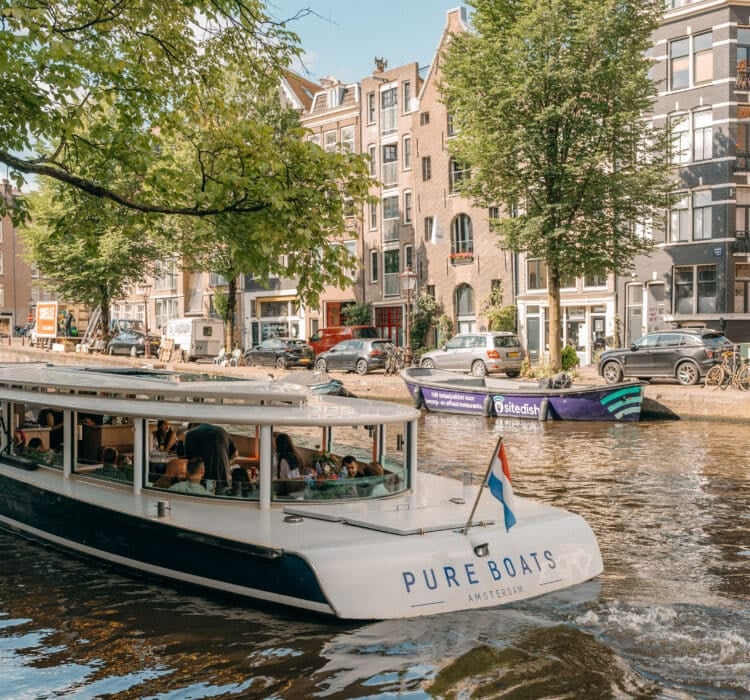
We designed our semi-private premium cruise specifically for travellers who want to experience the canal ring’s highlights without the crowded, impersonal atmosphere of standard tours. Our smaller vessels access the narrow waterways where larger boats cannot go, revealing hidden views and architectural details that most visitors miss entirely.
What sets our approach apart:
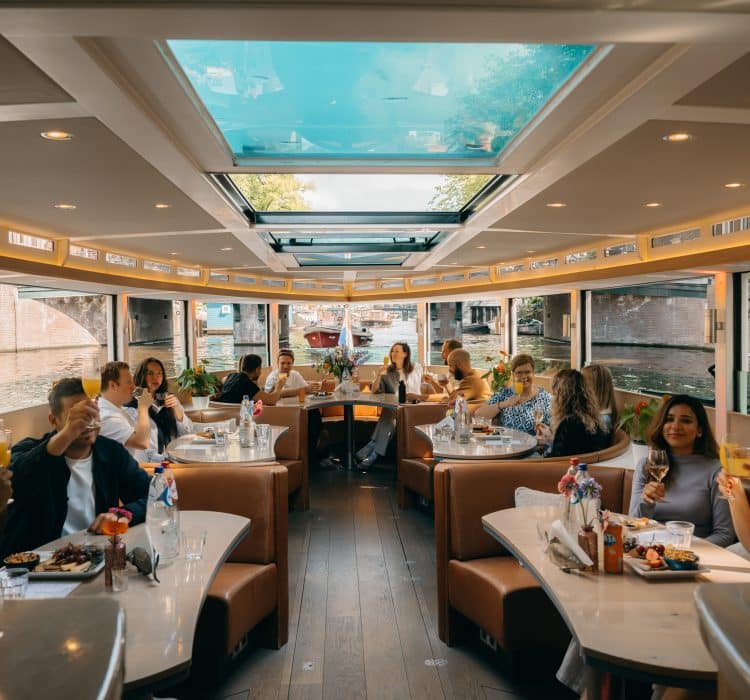
- Small group sizes of 6 to 24 guests maximum, allowing genuine conversation and personalized routing
- Captains who customize routes based on what you want to see, from the Golden Bend to quiet Jordaan canals
- Departures from Hotel De L’Europe, positioning you perfectly for the canal ring’s best sightseeing
- Live storytelling rather than scripted commentary or audio guides
- Fully electric boats that let you appreciate the UNESCO heritage in near silence
The Stan Huygens, once the personal favourite vessel of Freddy Heineken, offers private booth seating for those seeking complete intimacy during their cruise. Book your canal ring experience and discover why thoughtful travellers choose a different way to see Amsterdam.