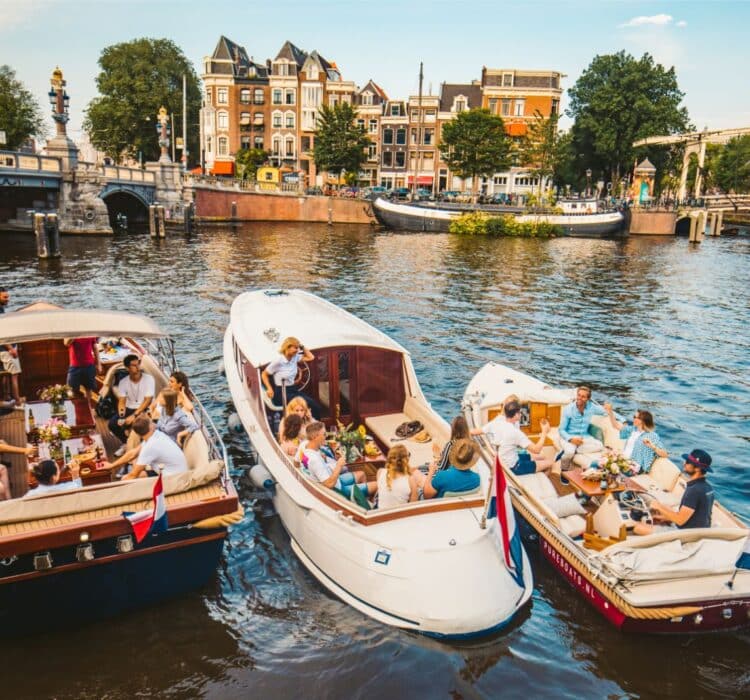
A canal cruise ranks among the top Amsterdam activities because it offers the only way to experience the city’s UNESCO-listed 17th century canal ring from its intended perspective: the water. Amsterdam was built around its 165 canals, making a boat tour the most authentic and comprehensive way to understand the city’s architecture, history, and daily life in a single experience.
Unlike other European capitals where waterways serve primarily as transportation routes, Amsterdam’s canals define the city’s identity and urban fabric. The sections below answer the most common questions travellers ask when considering a canal cruise, from timing and booking to what distinguishes a truly memorable experience from a forgettable one.
What Makes Amsterdam’s Canals Different From Other European Waterways?
Amsterdam’s canal ring is the only 17th century urban waterway system granted UNESCO World Heritage status, recognizing it as a masterpiece of hydraulic engineering and urban planning. Unlike rivers that cities simply built beside, Amsterdam’s canals were deliberately designed as the organizing principle of the entire city, with buildings, bridges, and streets all oriented around the water.
The canal belt consists of four main semicircular canals: Singel, Herengracht, Keizersgracht, and Prinsengracht. These were constructed during the Dutch Golden Age specifically to accommodate trade, transport, and residential living simultaneously. The result is a city where water is not background scenery but the central architectural feature.
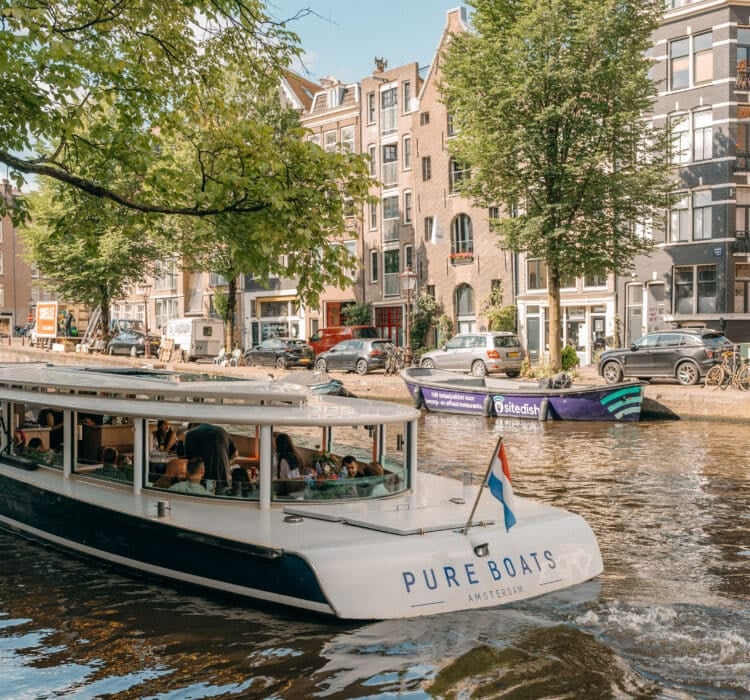
What makes cruising these waterways distinctive is the intimacy of scale. Canal houses lean directly over the water, their ornate gable facades designed to be admired from boats. Houseboats line the banks. Cyclists cross bridges overhead. Life in Amsterdam happens at water level in a way that simply does not occur in cities like Paris, Venice, or London, where waterways feel separate from daily urban activity.
How Does a Canal Cruise Compare to Walking or Cycling Amsterdam?
A canal cruise provides access to perspectives and locations that walking and cycling cannot reach, while covering more ground with less physical effort. From the water, you see building facades, hidden gardens, and architectural details that face the canals rather than the streets, offering views that pedestrians and cyclists never encounter.
Walking Amsterdam’s canal ring takes considerable time and energy. The full UNESCO heritage zone spans roughly 100 kilometres of waterways, and the most photogenic sections require navigating crowds, crossing bridges, and constantly checking maps. Cycling moves faster but demands attention to traffic, tram tracks, and other cyclists, leaving little opportunity to actually observe your surroundings.
On a boat, you become a passenger rather than a navigator. Your attention shifts entirely to the experience itself: the play of light on water, the stories behind centuries-old merchant houses, the way locals live on houseboats and wave from their windows. For travellers who have already walked the main attractions, a cruise reveals an entirely different city hiding in plain sight.
The practical advantages matter too. A cruise provides a comfortable seat, shelter from weather, and often drinks and refreshments. For visitors with limited mobility, families with young children, or anyone seeking a more relaxed pace, the water offers accessibility that Amsterdam’s cobblestones and crowded bike lanes cannot match.
What’s the Difference Between Large Tour Boats and Small Private Cruises?
Large tour boats carry 50 to 150 passengers on fixed routes with recorded audio guides, while small private cruises typically accommodate 6 to 24 guests with live commentary and flexible itineraries. The difference affects everything from where you can go to how personal the experience feels.
Route Access and Flexibility
Large commercial vessels are restricted to wider canals that can accommodate their size. This means they follow predictable routes through the same well-known sections, often queuing behind other tour boats at popular spots. Smaller boats navigate narrow waterways inaccessible to larger craft, discovering quieter neighbourhoods and hidden corners where the real Amsterdam reveals itself.
Captains on smaller vessels can adjust routes based on passenger interests, current events, or simply what looks interesting that day. If guests want to linger near a particular houseboat or explore a less travelled canal, the flexibility exists to do so.
Atmosphere and Service
The experience aboard a large tour boat resembles public transport: assigned seating, shoulder to shoulder with strangers, listening to the same recorded script played dozens of times daily. Conversation with the captain is impossible. Personal attention does not exist.
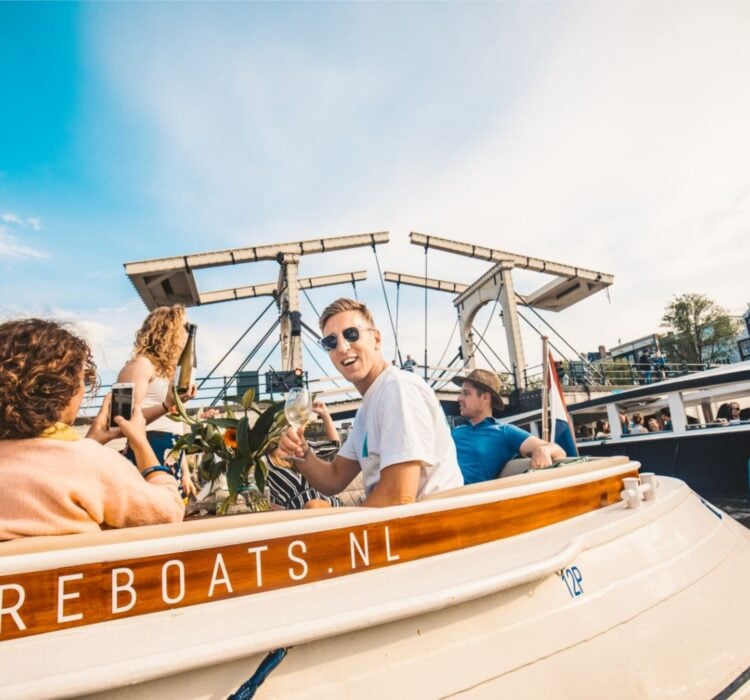
Smaller cruises create an atmosphere closer to being invited aboard a friend’s private boat. Captains share genuine stories and local knowledge, answer questions, and engage in real conversation. The difference between hearing a recording explain why Amsterdam’s canal houses lean forward and having a knowledgeable local tell you the story while pointing at specific examples is the difference between information and experience.
When Is the Best Time to Take an Amsterdam Canal Cruise?
Late afternoon and early evening offer the best lighting and atmosphere for canal cruises, with golden hour creating particularly stunning reflections on the water. However, the ideal timing depends on what you want from the experience, as each time of day reveals different aspects of canal life.
Morning cruises, particularly before 11am, provide the calmest water and fewest other boats. The city is waking up, locals are heading to work, and the canals feel more like a living neighbourhood than a tourist attraction. Morning light illuminates the eastern-facing facades of canal houses beautifully.
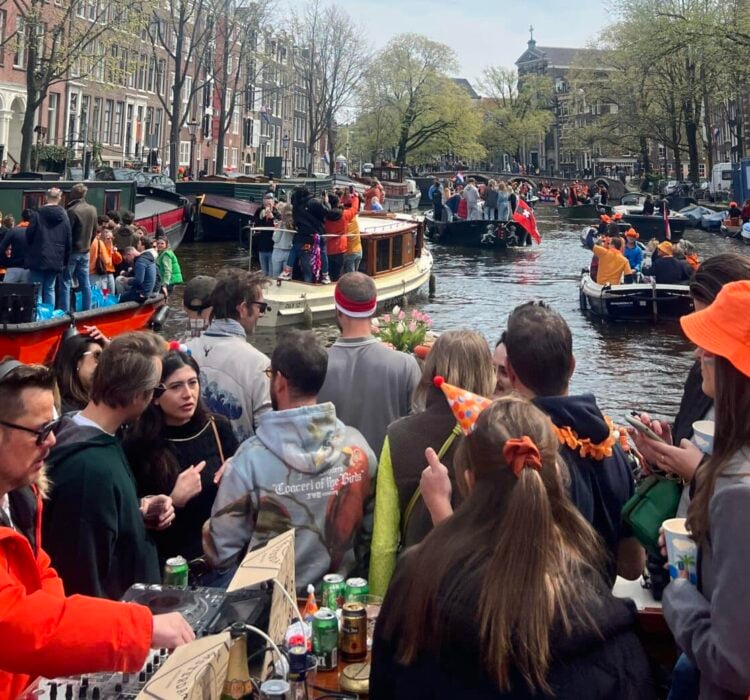
Afternoon cruises offer the most activity to observe. Cafes along the water fill with patrons. Houseboats show signs of life. The energy of the city is fully present. However, this is also when the canals are busiest with other tour boats.
Evening cruises, especially during summer months when daylight extends past 10pm, capture Amsterdam at its most romantic. As the sun sets, canal houses begin to glow from within, and the famous Dutch tradition of leaving curtains open means you glimpse interiors that feel like living museum displays of contemporary Amsterdam life.
During winter, the Amsterdam Light Festival transforms the canals into an outdoor gallery of illuminated art installations. Cruises during this period offer an entirely different experience, with world-class artworks reflecting off the dark water and mulled wine warming passengers against the cold.
What Should You Look for When Booking a Canal Cruise?
Prioritize boat size, departure location, and whether commentary is live or recorded when evaluating canal cruise options. These three factors most directly determine whether you will have a memorable experience or a forgettable one, regardless of price point.
Boat size determines both where you can go and how the experience feels. Vessels carrying more than 30 passengers typically cannot access the smaller canals where Amsterdam’s character is most evident. Ask specifically about maximum capacity before booking.
Departure location matters for convenience and sets expectations. Cruises leaving from central locations near major hotels integrate more easily into your day. The area around Hotel De L’Europe, for instance, places you at the heart of the canal ring with easy access to restaurants and attractions before or after your cruise. For a refined experience, consider the semi-private premium cruise from Hotel De L’Europe that combines convenience with luxury.
Live commentary from knowledgeable captains or hosts transforms a scenic boat ride into genuine storytelling. Recorded audio guides deliver the same script to every passenger regardless of interest, weather, or what is actually visible at any moment. The ability to ask questions and receive thoughtful answers is worth seeking out.
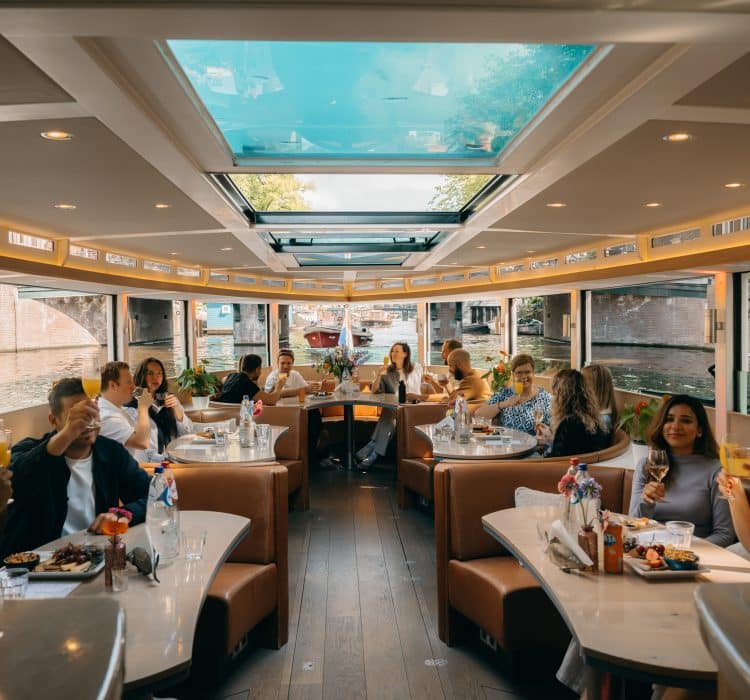
Consider what is included beyond the cruise itself. Quality operators offer drinks, local snacks, and comfortable seating as standard rather than add ons. Electric boats provide a quieter, more sustainable experience than diesel-powered alternatives. These details signal whether an operator prioritizes guest experience or simply moves people through bookings.
How Pure Boats Helps You Experience the Best of Amsterdam’s Canals
We designed our cruises specifically to address what discerning travellers find lacking in standard canal tours. Our fleet of restored classic electric boats, including the Stan Huygens once chartered weekly by Freddy Heineken himself, offers an experience that matches the quality of Amsterdam’s finest hotels.
What sets our approach apart:
- Small group sizes of 6 to 24 guests maximum, ensuring an intimate atmosphere and personal attention
- Fully electric, handcrafted boats that access narrow canals where larger vessels cannot go
- Live commentary from captains who customize routes based on your interests
- Premium drinks and locally sourced Dutch refreshments included
- Departure from Hotel De L’Europe, perfectly positioned in the heart of the canal ring
Our semi private cruise aboard the Stan Huygens offers the choice between shared or private booth seating, with the most prestigious rear cabin being the very spot Freddy Heineken favoured. At 90 minutes with two premium drinks included, it delivers the refined canal experience that luxury travellers expect without the crowds and recorded scripts of standard tours.
Book your cruise today and discover why a canal experience should be the highlight of your Amsterdam visit, not just another item on the itinerary.