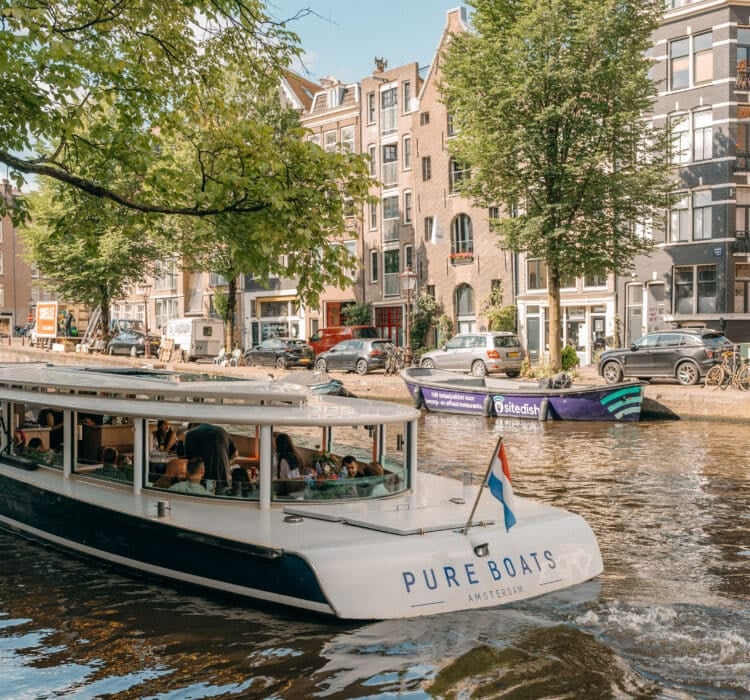
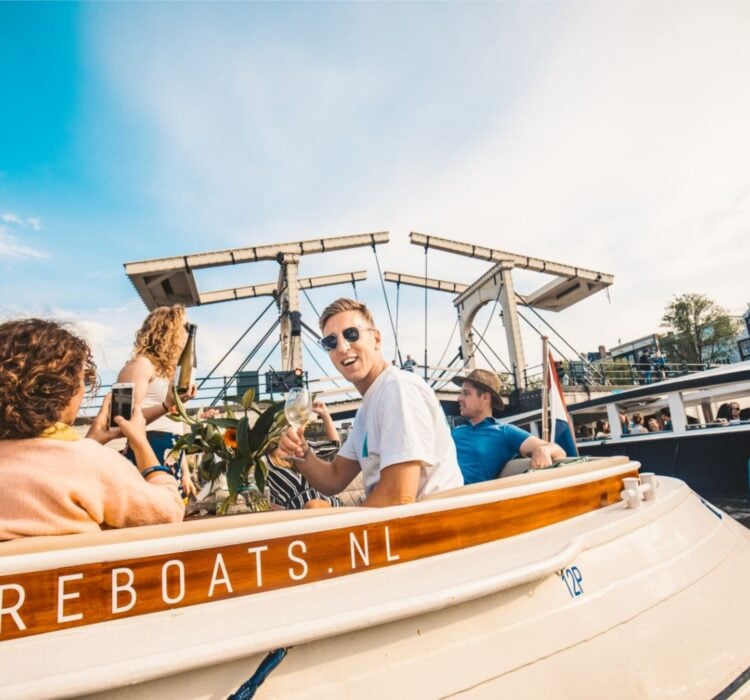
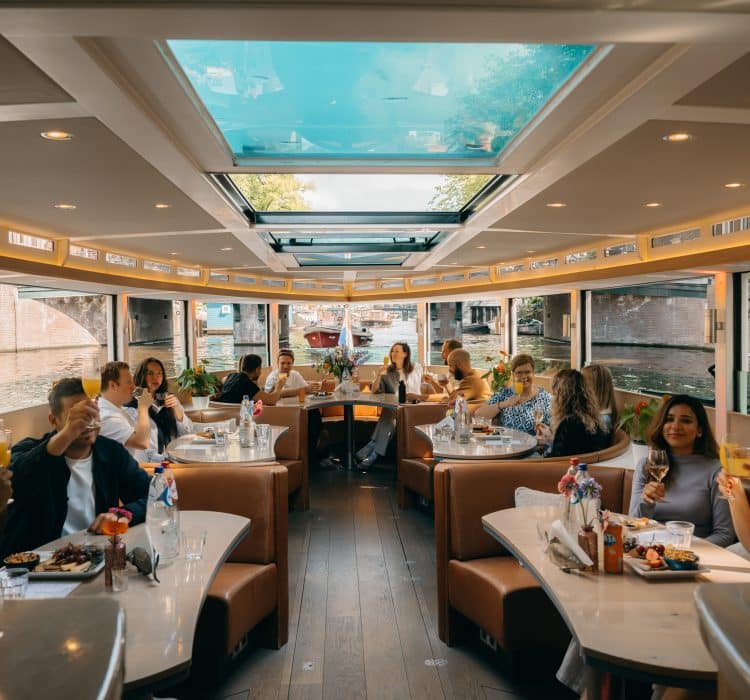
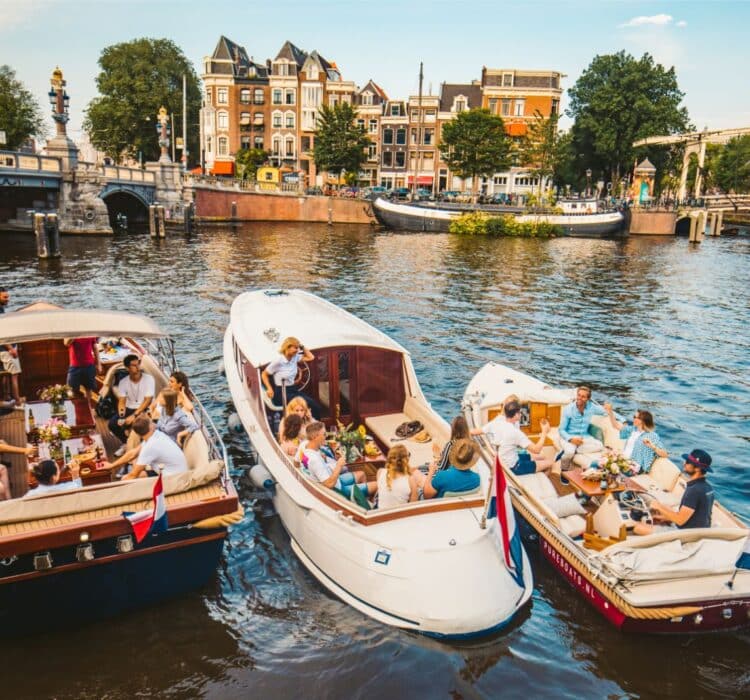
Historic vessels used on a private boat Amsterdam experience include restored classic canal boats dating back over a century, featuring original craftsmanship combined with modern electric propulsion. These vessels range from intimate open boats to prestigious yachts, each with documented heritage and authentic period details that distinguish them from purpose-built tourist craft.
The most notable historic vessels available for private cruises include boats that once served Amsterdam’s elite, including vessels chartered by prominent figures like Freddy Heineken. These carefully preserved boats offer something standard canal tours cannot: genuine maritime heritage paired with contemporary comfort and sustainability.
Below, we explore what makes these vessels historically significant, which famous boats you can actually cruise on, and how to select the right historic vessel for your Amsterdam experience.
What makes a canal boat historically significant in Amsterdam?
A canal boat becomes historically significant in Amsterdam when it possesses documented provenance, original construction features, and a verifiable connection to the city’s maritime or cultural heritage. Age alone does not determine significance; the vessel must demonstrate authentic craftsmanship, historical use patterns, or association with notable events or figures.
Amsterdam’s canal system, designated a UNESCO World Heritage Site, has shaped the city’s boat-building traditions for over four centuries. The most historically significant vessels share several characteristics that set them apart from modern reproductions or standard tour boats.
Documented Maritime Heritage
Genuine historic vessels come with traceable histories showing their original construction, previous owners, and how they served Amsterdam over the decades. This documentation might include shipyard records, registration papers, or photographic evidence placing the boat in specific historical contexts. A vessel that once transported goods through the Jordaan district or served as a private yacht for Amsterdam’s merchant families carries stories embedded in its very structure.
Authentic Construction Methods
Pre-war canal boats were built using techniques and materials that differ markedly from modern construction. Hand-riveted steel hulls, traditional wooden decking, and period-appropriate fittings indicate genuine age and craftsmanship. These construction details cannot be easily replicated, making them reliable markers of authenticity. Vessels over a century old often feature hull shapes and proportions designed specifically for Amsterdam’s narrow waterways and low bridges.
The cultural significance extends beyond the physical boat. Historic vessels often carry associations with Amsterdam’s golden age of canal living, when the waterways served as the city’s primary transportation network and social gathering spaces.
Which famous Amsterdam canal boats can you actually cruise on?
The most famous Amsterdam canal boat available for cruising is the Stan Huygens, known as the “Yacht of the Canals” and historically chartered weekly by Freddy Heineken for his personal use. This vessel, along with other restored classics like the Schollevaar and Lucy, offers guests the opportunity to experience genuine maritime heritage firsthand.
Unlike museum pieces that remain stationary, these working historic vessels continue their original purpose of navigating Amsterdam’s waterways. The Stan Huygens holds particular prestige among Amsterdam’s canal fleet. Freddy Heineken, the brewing magnate whose name became synonymous with Dutch enterprise, favoured this specific vessel for his regular canal outings. His preferred seating position, a private booth at the rear of the vessel, remains intact and available for guests seeking that same vantage point.
Other notable vessels include boats that have been in continuous operation for generations. The Schollevaar represents classic Amsterdam boat-building, while Geertje offers an intimate open-boat experience reminiscent of how locals have enjoyed the canals for centuries. Each vessel in a quality historic fleet brings its own character and story, from former working boats converted for leisure to purpose-built pleasure craft that served Amsterdam’s elite.
What distinguishes these vessels from replicas or themed boats is their authentic operating history. They have navigated the same canal routes for decades, their hulls shaped by countless journeys under Amsterdam’s bridges and past its iconic canal houses.
How are vintage canal boats restored for modern luxury cruises?
Vintage canal boats undergo meticulous restoration that preserves original structural elements and period details while integrating modern safety systems, electric propulsion, and contemporary comfort features. The process typically involves stripping the vessel to its hull, assessing structural integrity, and rebuilding with a balance of authenticity and functionality.
Quality restoration begins with the hull itself. Original steel or wooden hulls are examined for corrosion or rot, with damaged sections replaced using period-appropriate materials and techniques where possible. This foundation work can take months, as restorers must maintain the vessel’s original lines and proportions while ensuring seaworthiness for another century of use.
The conversion to electric propulsion represents one of the most significant modern adaptations. Historic diesel or petrol engines are removed and replaced with silent electric motors, eliminating emissions and engine noise while actually enhancing the cruising experience. This transformation allows these vessels to operate sustainably on Amsterdam’s canals, contributing to cleaner waterways rather than the pollution associated with older combustion engines.
Interior restoration requires balancing historical accuracy with guest comfort. Superyacht designers working on these projects often source period materials or commission custom reproductions of original fittings. Seating arrangements, lighting fixtures, and deck layouts reference historical photographs and documents while incorporating modern ergonomics. The goal is to create spaces that feel authentically vintage while providing the comfort contemporary guests expect.
Electrical systems, navigation equipment, and safety features are entirely modern, hidden within traditional cabinetry and fixtures. This invisible infrastructure ensures these century-old vessels meet current maritime safety standards without compromising their historic character.
What’s the difference between historic private boats and standard canal cruises?
Historic private boats offer intimate group sizes of 6 to 24 passengers, flexible routing through narrow canals inaccessible to larger vessels, and genuine conversation with knowledgeable captains, while standard canal cruises accommodate hundreds of passengers on fixed routes with recorded audio commentary.
The distinction begins with the vessels themselves. Standard canal cruise boats are purpose-built for maximum capacity, featuring rows of seating arranged for efficiency rather than experience. These modern boats follow prescribed routes on strict schedules, passing the same landmarks at predictable intervals throughout the day. Passengers sit shoulder to shoulder, listening to pre-recorded commentary available in multiple languages.
Historic private boats operate fundamentally differently. Their smaller size allows navigation through Amsterdam’s secondary canal network, where larger vessels simply cannot fit. These intimate waterways pass through residential neighbourhoods, under low bridges, and alongside canal houses that most visitors never see. Captains on historic vessels adjust routes based on passenger interests, water conditions, and the day’s discoveries.
The social dynamic shifts entirely on a private historic vessel. Rather than being one of two hundred anonymous passengers, guests become part of a small gathering. Captains engage in genuine conversation, answering questions about Amsterdam’s history, architecture, and local culture. These exchanges often reveal insights that scripted commentary cannot provide, such as why Amsterdam residents traditionally leave their curtains open or which canal houses hide the most interesting histories.
Service quality reflects this intimate scale. On historic private boats, refreshments typically feature local products, quality wines, and Dutch specialties rather than mass-produced snacks. The experience extends the hospitality standards of Amsterdam’s finest hotels onto the water.
How do you choose the right historic vessel for your Amsterdam experience?
Choose a historic vessel based on your group size, desired atmosphere, and the type of experience you seek, whether that’s an open-air intimate cruise, a prestigious yacht setting, or a classic enclosed boat. Consider the vessel’s specific history, seating configuration, and the departure location relative to your accommodation.
Group size determines your starting point. Vessels designed for 6 to 8 passengers create genuinely intimate experiences ideal for couples or small family groups. Larger historic boats accommodating up to 24 guests suit celebrations, corporate gatherings, or groups of friends travelling together. Matching your party size to the appropriate vessel ensures you experience the boat as intended rather than feeling lost in excessive space or crowded in insufficient quarters.
The vessel’s character should align with your expectations. Open boats offer unobstructed views and fresh air, perfect for pleasant weather and photography enthusiasts. Enclosed classic boats provide shelter and a more formal atmosphere, suitable for business entertaining or cooler seasons. Prestigious yachts with documented heritage, like vessels once used by notable figures, add narrative depth that enhances the experience for guests who appreciate provenance and story.
Departure location matters more than many visitors realise. Boarding from a prestigious address like Hotel De L’Europe places you immediately in the heart of Amsterdam’s historic centre, eliminating the need to navigate to outlying departure points. This convenience particularly benefits guests staying in the five-star hotel corridor who prefer seamless transitions between accommodation and experience.
Consider the cruise duration and included amenities. A 90-minute cruise provides sufficient time to explore Amsterdam’s canal network meaningfully, while shorter options suit those with limited schedules. Premium cruises typically include quality beverages and Dutch specialties, enhancing the experience without requiring separate arrangements.
How Pure Boats helps you experience Amsterdam’s historic vessels
We offer a carefully curated fleet of five restored historic canal boats, each handcrafted by our in-house superyacht designers and converted to fully electric operation. Our vessels, including the legendary Stan Huygens once favoured by Freddy Heineken, provide authentic heritage experiences with contemporary luxury standards.
What we provide for guests seeking historic vessel experiences:
- Access to vessels over a century old, restored from original structures to pristine condition
- Flexible routing through narrow canals where standard tour boats cannot navigate
- Knowledgeable captains who share genuine stories rather than scripted commentary
- Local Dutch products, craft beverages, and farmhouse cheeses aboard every cruise
- Sustainable, zero-emission cruising on fully electric boats
Our semi-private premium cruise from Hotel De L’Europe offers the ideal introduction to Amsterdam’s historic canal boats. Aboard the Stan Huygens, you can choose between shared seating or the private booth once favoured by Freddy Heineken himself. With premium drinks included and intimate group sizes, this 90-minute experience delivers the refined, personal atmosphere that discerning travellers seek.