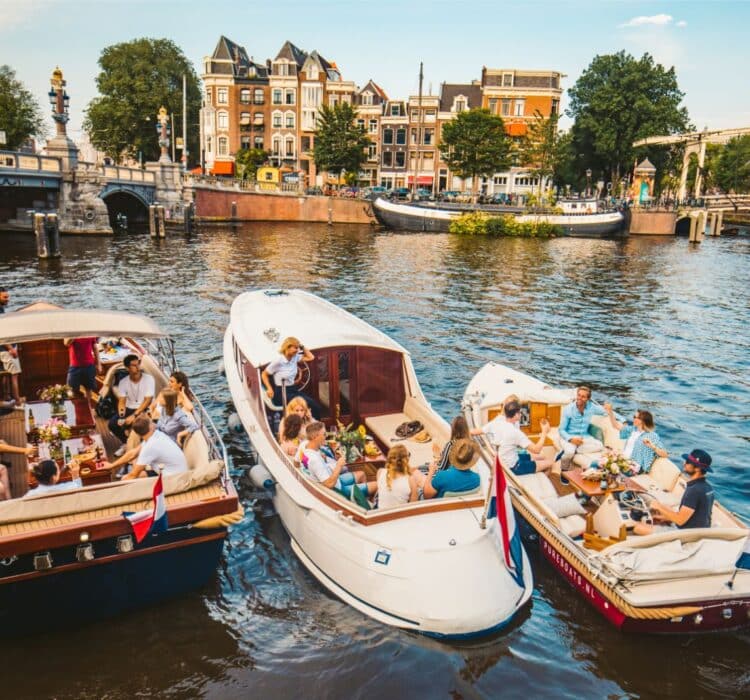
Amsterdam welcomes millions of visitors each year, and for good reason. The Dutch capital offers an irresistible blend of world-class museums, charming canal-side architecture, and a laid-back atmosphere that makes exploration feel effortless. But with so much to see and do, knowing where to start can feel overwhelming when you step off the train at Centraal Station for the first time.
Whether you have a long weekend or a full week, these eight Amsterdam experiences will help you discover the city’s most rewarding highlights while avoiding the tourist traps that can leave first-time visitors underwhelmed.
Making the Most of Your First Amsterdam Visit
The secret to a memorable Amsterdam experience lies in balancing the must-see attractions with moments of genuine local discovery. The city rewards those who slow down, whether that means lingering over coffee in a canal-side café or taking an unexpected detour through a quiet neighbourhood street.
Amsterdam’s compact size works in your favour. Most major attractions sit within walking or cycling distance of each other, and the city’s excellent public transport fills any gaps. Plan your days by neighbourhood rather than bouncing across the city, and you’ll find yourself stumbling upon hidden gems between scheduled stops.
1: Cruise the UNESCO-Listed Canal Ring
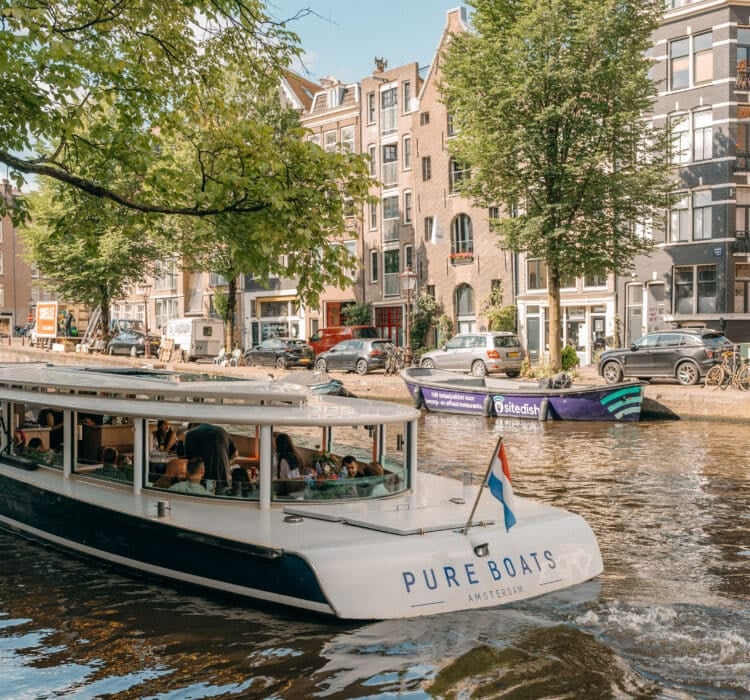
Amsterdam’s 17th-century canal ring earned UNESCO World Heritage status for good reason. This engineering marvel transformed swampy marshland into one of Europe’s most beautiful urban landscapes, and viewing it from water level offers perspectives impossible to capture on foot.
The three main canals, Herengracht, Keizersgracht, and Prinsengracht, form concentric half-circles around the city centre, lined with thousands of narrow merchant houses that lean at distinctive angles. From a boat, you’ll notice architectural details that pedestrians miss: ornate gable stones that once identified buildings before house numbers existed, hidden gardens glimpsed through windows, and the pulleys still mounted on rooftops for hoisting furniture too large for narrow staircases.
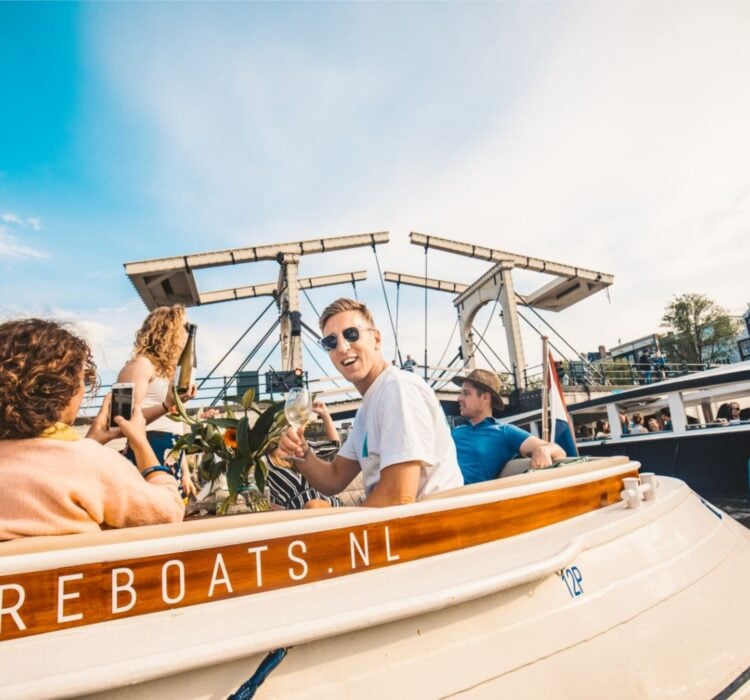
Choose a smaller vessel that can navigate the quieter waterways where larger tour boats cannot venture. These intimate passages reveal residential Amsterdam, where locals tend window boxes and children play on houseboats. For an elevated experience, consider a semi-private premium cruise from Hotel De L’Europe that transforms from passive sightseeing into genuine discovery.
2: Explore the Jordaan’s Hidden Courtyards
The Jordaan neighbourhood represents Amsterdam at its most charming, a former working-class district now filled with independent boutiques, cosy cafés, and galleries tucked into converted warehouses. But the real treasures hide behind unassuming doorways.
Scattered throughout the Jordaan, you’ll find hofjes, historic almshouse courtyards built centuries ago to house elderly women and widows. These peaceful gardens remain accessible to respectful visitors who know where to look. The Karthuizerhof on Karthuizerstraat and the Claes Claeszhofje are particularly atmospheric, offering sudden silence amid the urban bustle.
Best explored on foot during morning hours when crowds thin, the Jordaan rewards wandering without a fixed route. Let yourself get pleasantly lost among the narrow streets, stopping whenever a window display or café terrace catches your eye. Saturday mornings bring the neighbourhood’s beloved Noordermarkt, where locals shop for organic produce, vintage clothing, and antiques.
3: Visit the Rijksmuseum Beyond Rembrandt
Every first-time visitor should stand before Rembrandt’s Night Watch, but the Rijksmuseum offers far more than its most famous painting. This magnificent building houses 8,000 objects spanning 800 years of Dutch history, and strategic exploration reveals unexpected delights.
Beyond the Golden Age masterpieces, seek out the Delftware collection showcasing the distinctive blue and white ceramics that once rivalled Chinese porcelain. The Asian Pavilion presents centuries of trade connections between the Netherlands and East Asia. The museum’s library, one of the most beautiful in Europe, offers a quiet retreat when gallery fatigue sets in.
Arrive when doors open or visit during evening hours to experience the museum’s most popular rooms without shoulder-to-shoulder crowds. The museum gardens, free to enter, provide a peaceful spot for reflection after absorbing so much visual richness. Allow at least three hours, though art enthusiasts could easily spend an entire day.
4: Sample Dutch Cheese at a Local Market
The Netherlands produces some of Europe’s finest cheeses, and tasting them at a traditional market beats any supermarket experience. Amsterdam’s markets let you sample before buying, chat with vendors about their products, and discover varieties you’ll never find at home.
Albert Cuypmarkt in the De Pijp neighbourhood stretches for nearly a kilometre, offering everything from aged Gouda to creamy young cheeses alongside fresh stroopwafels, herring, and flowers. The vendors here cater to locals rather than tourists, which keeps quality high and prices reasonable.
Ask for recommendations rather than pointing at random wheels. Tell the cheese seller whether you prefer mild or sharp flavours, and they’ll guide you toward the perfect selection. Pair your purchases with crusty bread from a nearby bakery and find a canal-side bench for an impromptu picnic. This simple pleasure captures the Dutch talent for finding joy in everyday moments.
5: Discover the Anne Frank House Story
The Anne Frank House stands as Amsterdam’s most emotionally powerful museum, preserving the secret annex where Anne Frank and seven others hid from Nazi persecution for over two years. Walking through these cramped rooms brings history into devastating focus.
The experience requires advance planning, as timed tickets sell out weeks ahead during peak seasons. Book through the official website the moment tickets are released, typically five to six weeks before your visit date. The museum limits visitor numbers to preserve the contemplative atmosphere these spaces deserve.
Allow time afterward to process what you’ve seen. Many visitors find comfort in walking along the nearby canals or sitting quietly in the Westerkerk churchyard adjacent to the museum. The Anne Frank House doesn’t offer easy answers, but it provides essential context for understanding Amsterdam’s wartime history and the resilience of the human spirit.
6: What Makes Amsterdam’s Café Culture Unique?
Dutch café culture centres on the concept of gezelligheid, a word that roughly translates to cosy conviviality but encompasses so much more. It describes the warm feeling of being surrounded by good company in comfortable surroundings, and Amsterdam’s brown cafés embody this spirit perfectly.
Named for their tobacco-stained walls and dark wood interiors, brown cafés have served as neighbourhood living rooms for generations. These establishments prioritize conversation over consumption, welcoming guests who linger for hours over a single coffee or local beer. Café Chris in the Jordaan, dating to 1624, and Café Papeneiland near Brouwersgracht offer authentic atmospheres untouched by modern renovation.
Order a koffie verkeerd (similar to a latte) with apple cake, or try a local craft beer as afternoon fades into evening. Notice how locals greet each other by name, how newspapers lie scattered across tables for communal reading, and how nobody rushes you to leave. This unhurried warmth represents Amsterdam at its most welcoming.
7: Cycle Through Vondelpark Like a Local
Amsterdam’s relationship with bicycles goes beyond transportation. Cycling here represents a way of life, and Vondelpark provides the perfect introduction for visitors ready to embrace two-wheeled exploration.
This 47-hectare green oasis attracts joggers, picnickers, and families year-round, with dedicated cycling paths that let you cover ground while absorbing the relaxed atmosphere. Rental shops near the park offer comfortable city bikes, and staff can suggest routes suited to your confidence level. Start slowly, observe how locals signal turns and navigate intersections, and you’ll find the rhythm surprisingly intuitive.
Beyond Vondelpark, cycling opens neighbourhoods that feel distant on foot. The Amsterdam School architecture in the Rivierenbuurt, the windmill at Sloten, and the houseboats along the Amstel River all become accessible when you’re moving at bicycle pace. Just remember: stay in the bike lanes, signal your intentions, and never stop suddenly in traffic flow.
8: Experience Amsterdam After Dark on the Water
Amsterdam transforms when darkness falls, and experiencing this change from the water creates memories that last long after you return home. The canal houses glow with warm interior light, bridges sparkle with illumination, and the city takes on an intimate quality impossible to capture in photographs.
Evening cruises reveal why Amsterdam’s residents rarely close their curtains, a tradition dating to Calvinist times when transparent living demonstrated you had nothing to hide. Today it creates a theatrical effect, offering glimpses into beautifully decorated interiors as you glide past. The reflection of lights on dark water doubles the visual magic.
During winter months, the Amsterdam Light Festival transforms the canals into an open-air art gallery, with international artists creating illuminated installations that float above and beside the water. This annual event draws visitors specifically for its unique blend of contemporary art and historic setting, proving that Amsterdam rewards those who venture out after dark.
Planning Your Perfect Amsterdam Itinerary
With eight distinct experiences to choose from, building your Amsterdam itinerary becomes a matter of matching activities to your interests and energy levels. Mornings work best for museums and markets, when crowds thin and light fills gallery spaces. Afternoons invite neighbourhood exploration and café lingering. Evenings belong to the water.
Consider clustering experiences by location: pair the Rijksmuseum with Vondelpark cycling, combine Jordaan exploration with brown café culture, and save the Anne Frank House for a day when you can give it the emotional space it deserves. Build in flexibility for weather changes and spontaneous discoveries.
Most importantly, resist the urge to see everything. Amsterdam rewards depth over breadth, and returning home with a few meaningful experiences beats exhausting yourself chasing checkboxes. The city will still be here for your next visit, with new secrets waiting to be discovered.
How Pure Boats Helps You Experience Amsterdam’s Canals
We created Pure Boats to offer visitors a refined way to experience Amsterdam’s UNESCO-listed waterways. Our semi-private cruise aboard the Stan Huygens, once the personal favourite vessel of Freddy Heineken himself, delivers an intimate 90-minute journey departing from the iconic Hotel De L’Europe.
What sets our experience apart:
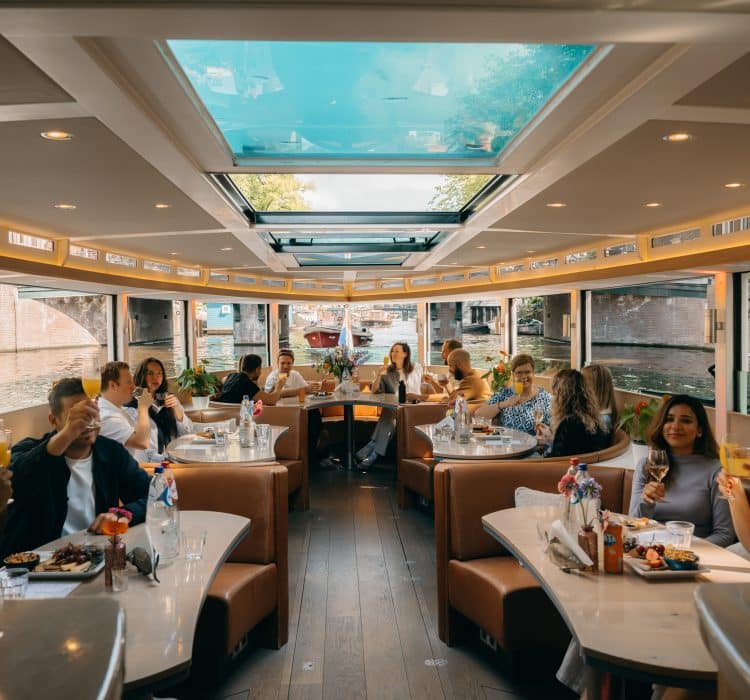
- Limited guest numbers ensure a calm, composed atmosphere rather than crowded tour boat conditions
- Choice between shared seating or private booth, including Freddy Heineken’s original favourite spot at the vessel’s rear
- Two premium drinks and complimentary nibbles included throughout your journey
- Thoughtful storytelling from knowledgeable hosts who share genuine insights about Amsterdam’s history and architecture
- Fully electric, sustainably restored vessels that navigate quiet canals inaccessible to larger boats
Whether you’re celebrating a special occasion, impressing visiting colleagues, or simply seeking a canal experience that matches the quality of your Amsterdam stay, we invite you to discover why our guests call their time aboard the highlight of their visit. Book your cruise today and experience Amsterdam’s canals the way they were meant to be seen.