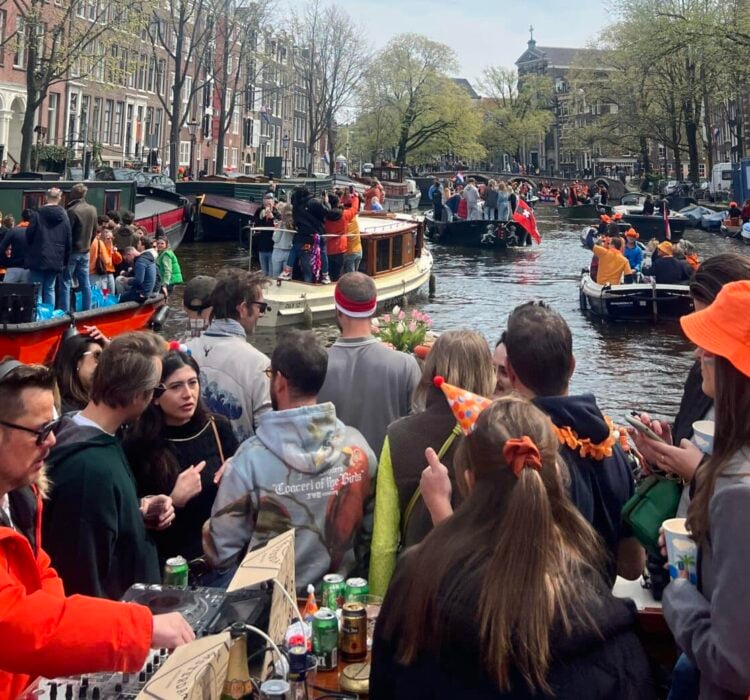
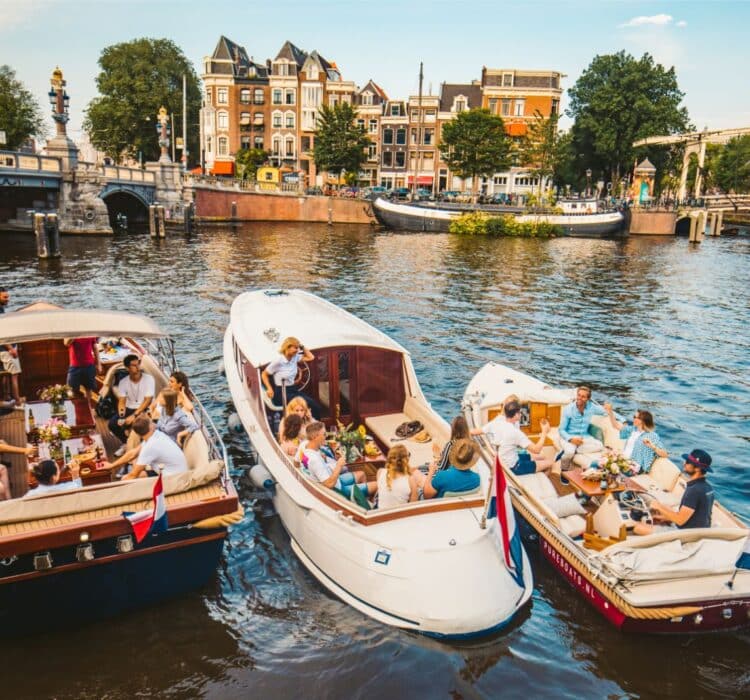
Most visitors to Amsterdam experience the canals from the same crowded routes, watching the same houseboats glide past while standing shoulder to shoulder with dozens of other tourists. But the city’s waterways extend far beyond these well-worn paths, weaving through quiet neighbourhoods, past hidden gardens, and under centuries-old bridges that most travellers never discover.
The best canal cruise Amsterdam experiences take you away from the tourist flotillas and into the intimate waterways where the city reveals its true character. These hidden routes offer something the main canals simply cannot: space to breathe, time to observe, and stories that unfold at a pace that matches the gentle rhythm of the water beneath you.
Why Amsterdam’s Hidden Canals Offer a Different Experience
Amsterdam’s canal system spans over 100 kilometres, yet most commercial tours cover only a fraction of this network. The wider canals accommodate large vessels carrying 50 to 100 passengers, which means operators naturally gravitate toward these routes. Hidden canals, by contrast, require smaller boats and more skilled navigation, creating a natural barrier that keeps the crowds away.
These narrower waterways pass through residential neighbourhoods where Amsterdam’s daily life unfolds unscripted. You might catch a glimpse of someone tending their rooftop garden, watch a family loading groceries onto their houseboat, or observe an artist working in a canal-side studio. The intimacy of these routes transforms a canal cruise from passive sightseeing into genuine discovery.
1: The Jordaan’s Narrow Waterways and Golden Age Charm
The Jordaan district represents Amsterdam at its most atmospheric. Originally built to house workers and immigrants in the 17th century, this neighbourhood has evolved into one of the city’s most desirable areas while retaining its distinctive character. The canals here are notably narrower than elsewhere, lined with tilting houses, independent galleries, and brown cafés that have served locals for generations.
Cruising through the Jordaan means navigating waterways like the Bloemgracht, once home to paint manufacturers whose pigments coloured the masterworks of the Dutch Golden Age. The Egelantiersgracht offers views of the Claes Claesz Hofje, a hidden courtyard garden dating to 1616 that remains invisible from street level but reveals itself beautifully from the water.
This route suits travellers who appreciate architectural detail and neighbourhood authenticity. The narrow passages require captains who know every bridge height and turning point, making it impossible for larger tour boats to attempt.
2: Brouwersgracht to the Western Islands
Often called the most beautiful canal in Amsterdam, the Brouwersgracht earned its name from the breweries that once operated along its banks. Today, the former warehouses have been converted into some of the city’s most coveted residences, their original hoisting beams still protruding from the gables above.
Continuing west from the Brouwersgracht leads to the Western Islands: Prinseneiland, Bickerseiland, and Realeneiland. These artificial islands were created in the 17th century for shipbuilding and trade, and they retain a maritime character distinct from central Amsterdam. The streets are quieter here, the architecture more industrial, and the sense of discovering something unexpected is palpable.
This route appeals to those interested in Amsterdam’s trading history and maritime heritage. The transition from the ornate canal houses of the centre to the functional beauty of the Western Islands tells a story about the city’s economic foundations that most visitors never encounter.
3: The Grachtengordel’s UNESCO-Listed Ring Canals
The Grachtengordel, Amsterdam’s famous ring of canals, earned UNESCO World Heritage status in 2010 as an exceptional example of urban planning. While the main stretches of Herengracht, Keizersgracht, and Prinsengracht see heavy boat traffic, the connecting waterways and quieter sections offer a more refined experience of this 17th century masterpiece.
The key lies in timing and route selection. Early morning cruises catch the ring canals before the tour boats begin their circuits, while routes that emphasise the cross-canals reveal perspectives that the standard tours miss entirely. The famous Golden Bend of the Herengracht, where Amsterdam’s wealthiest merchants built their grandest homes, takes on a different quality when approached from an unexpected angle.
Travellers who appreciate architecture and urban history will find this route particularly rewarding. Understanding that you are floating through a UNESCO site, designed over 400 years ago and preserved remarkably intact, adds depth to every bridge and building you pass.
4: What Makes the Amstel River Route Special?
The Amstel River gave Amsterdam its name, yet many canal cruises barely touch this historic waterway. Following the Amstel south from the city centre reveals a dramatically different landscape: grand riverside mansions, the iconic Magere Brug (Skinny Bridge), and eventually the open spaces where the city gives way to the countryside.
The Amstel offers wider views and a sense of openness that contrasts beautifully with the intimate canal passages elsewhere. The riverbanks here hosted the country estates of Amsterdam’s elite, and several of these historic properties remain visible from the water. The Hermitage Amsterdam, housed in a former almshouse complex, presents an impressive façade that only reveals its full scale from the river.
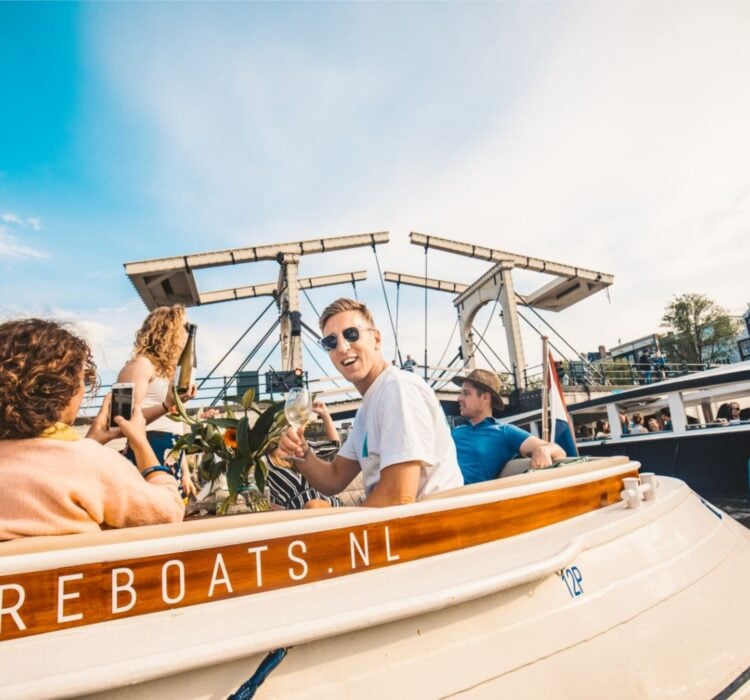
This route works particularly well for those seeking variety within a single cruise. The transition from narrow canals to open river creates a natural narrative arc, and the Skinny Bridge provides one of Amsterdam’s most photographed moments, especially when illuminated in the evening.
5: Eastern Docklands and Maritime Amsterdam
Amsterdam’s Eastern Docklands represent the city’s reinvention. Once the heart of Dutch maritime power, these former harbour areas fell into disuse before being transformed into innovative residential and cultural districts. Cruising through the Eastern Docklands means passing striking contemporary architecture alongside preserved maritime infrastructure.
The route takes you past the NEMO Science Museum, designed by Renzo Piano to resemble a ship’s hull, and the Scheepvaartmuseum (Maritime Museum), housed in the former arsenal of the Dutch Admiralty. Further east, the Java and KNSM islands showcase Dutch architecture at its most experimental, with buildings that seem to defy conventional design principles.
Architecture enthusiasts and those curious about urban regeneration will find this route compelling. It demonstrates how Amsterdam continues to evolve while honouring its relationship with the water that shaped it.
6: The Plantage District’s Garden-Lined Canals
The Plantage neighbourhood earned its name from the pleasure gardens that once occupied this area east of the city centre. Today, it remains Amsterdam’s greenest district, home to Artis Zoo, the Hortus Botanicus, and tree-lined canals that feel remarkably peaceful given their central location.
Cruising through the Plantage reveals a softer side of Amsterdam. The Entrepotdok, once the largest warehouse complex in Europe, now houses restaurants and residences behind its historic façades. The Nieuwe Herengracht here is wider and quieter than its famous counterpart in the Grachtengordel, offering unobstructed views of 18th and 19th century architecture.
Families and nature lovers appreciate this route for its gentler atmosphere. The proximity to Artis Zoo means you might spot exotic birds or hear animal calls drifting across the water, adding an unexpected dimension to the canal experience.
7: Reguliersgracht’s Seven Bridges Perspective
The Reguliersgracht offers one of Amsterdam’s most celebrated views: standing at the right point, you can see seven bridges aligned in perfect perspective, each framing the next. From the water, this view transforms into something even more remarkable, with the bridges passing overhead in sequence as your boat glides beneath them.
This canal connects the major ring canals and provides a cross-section of Amsterdam’s architectural history. The houses here date from various periods, creating a timeline of Dutch design visible in the changing gable styles. The canal’s relative narrowness keeps larger boats away, preserving its tranquil character.
Photography enthusiasts and romantic travellers gravitate toward this route. The seven bridges view has appeared in countless images of Amsterdam, but experiencing it from the water, watching each bridge approach and recede, offers a perspective that photographs cannot capture.
Choosing the Right Hidden Canal Route for Your Visit
Selecting the ideal route depends on your interests and the experience you seek. Architecture enthusiasts will find the Grachtengordel and Reguliersgracht most rewarding, while history buffs might prefer the maritime narratives of the Western Islands or Eastern Docklands. Travellers seeking atmosphere and local character should prioritise the Jordaan’s narrow passages.
Time of day matters significantly. Morning cruises offer softer light and quieter waterways, while evening routes, particularly during the Amsterdam Light Festival season, transform familiar canals into illuminated wonderlands. The Amstel River route benefits especially from golden hour light, when the historic mansions along its banks seem to glow.
Consider also the size of your group and your comfort with shared experiences. The most intimate canal routes require smaller vessels, which naturally limit passenger numbers and create a more personal atmosphere.
How Pure Boats Helps You Discover Amsterdam’s Hidden Canals
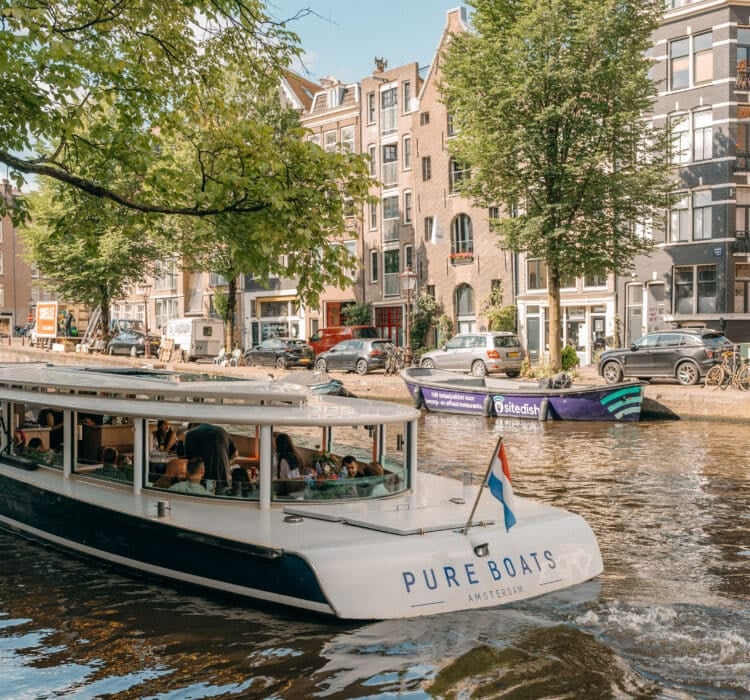
We specialise in navigating the waterways that larger tour operators simply cannot reach. Our fleet of restored classic electric boats, designed by our in-house superyacht team, draws shallow enough to access Amsterdam’s most intimate canals while offering the comfort and refinement that discerning travellers expect.
What sets our hidden canal experiences apart:
- Small group sizes of 6 to 24 guests maximum, ensuring a peaceful atmosphere
- Captains who customise routes based on your interests, making detours to explore unexpected waterways
- Departures from Hotel De L’Europe, positioning you perfectly to explore the Amstel and Reguliersgracht routes
- The Stan Huygens, our flagship vessel once chartered weekly by Freddy Heineken, offering private booth seating for those seeking complete exclusivity
- Fully electric, sustainably restored boats that let you enjoy the canals in near silence
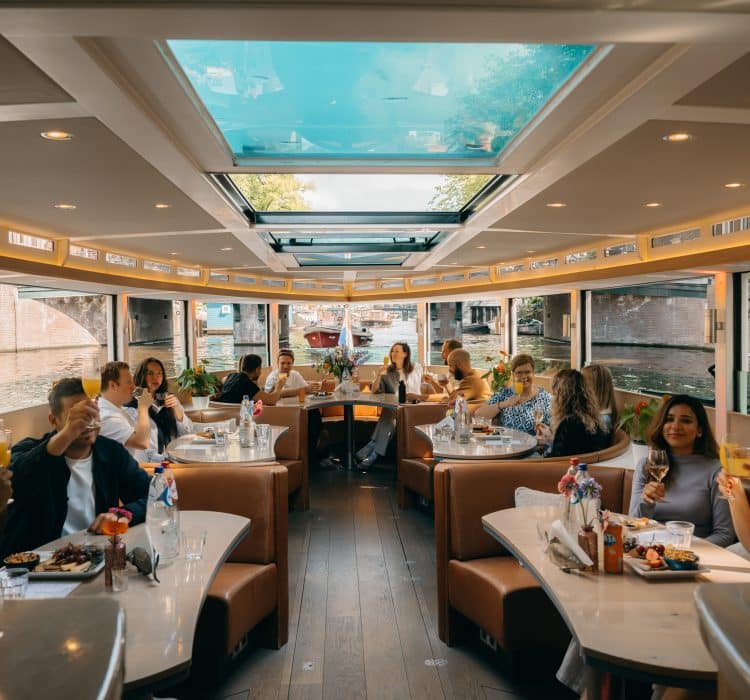
Our semi-private premium cruise from Hotel De L’Europe aboard the Stan Huygens explores UNESCO-listed canals with limited guests, premium drinks, and the kind of thoughtful storytelling that transforms a canal cruise into a genuine Amsterdam moment. Book your hidden canal experience and discover the waterways that most visitors never see.