The Rijksmuseum is the most visited place in Amsterdam, attracting over 2.7 million visitors annually and consistently ranking as the Netherlands’ top cultural destination. This 19th-century museum houses masterpieces by Rembrandt, Vermeer, and other Dutch Golden Age painters, making it a must-see for art enthusiasts and casual tourists alike. Below, we explore visitor numbers, competing attractions, crowd patterns, and how to experience Amsterdam’s highlights in a more refined way.
How Many People Visit the Rijksmuseum Each Year?
The Rijksmuseum welcomes approximately 2.7 million visitors per year, making it not only Amsterdam’s most visited attraction but also the most popular museum in the entire Netherlands. This figure has remained relatively stable since the museum’s complete renovation, with international tourists accounting for roughly 80 percent of all visits.
The museum’s enduring popularity stems from its world-renowned collection, which includes Rembrandt’s The Night Watch, Vermeer’s The Milkmaid, and over 8,000 objects spanning 800 years of Dutch history. The building itself, designed by Pierre Cuypers and reopened after a decade-long restoration in 2013, draws architecture enthusiasts who appreciate its Gothic and Renaissance Revival elements.
Peak visitation typically occurs during the summer months and Dutch school holidays, when daily attendance can exceed 10,000 visitors. The museum’s central location in Museumplein makes it easily accessible but also contributes to the concentrated foot traffic that defines Amsterdam’s cultural quarter.
What Other Attractions Compete for Amsterdam’s Top Spot?
The Anne Frank House and Van Gogh Museum are the Rijksmuseum’s closest competitors, each attracting over one million visitors annually. These three institutions form Amsterdam’s cultural triangle, with the Royal Palace, canal ring district, and Vondelpark rounding out the list of most frequented destinations.
Museums and Cultural Sites
The Van Gogh Museum draws approximately 1.7 million visitors each year, housing the world’s largest collection of Van Gogh’s paintings and letters. The Anne Frank House, where the young diarist hid during World War II, sees around 1.3 million visitors despite its limited capacity and timed entry requirements. The Stedelijk Museum, focusing on modern and contemporary art, attracts a smaller but dedicated audience of roughly 700,000 annually.
Historic Districts and Public Spaces
Amsterdam’s UNESCO-listed canal ring receives millions of visitors who stroll along the Herengracht, Prinsengracht, and Keizersgracht. Unlike museums with turnstile counts, exact visitor numbers for these public spaces are difficult to measure, though tourism authorities estimate that over 20 million people visit Amsterdam each year. The Red Light District, despite its controversial nature, remains one of the city’s most walked areas, while Dam Square and the Royal Palace serve as central gathering points for tourists and locals alike.
Why Are Amsterdam’s Museums So Crowded?
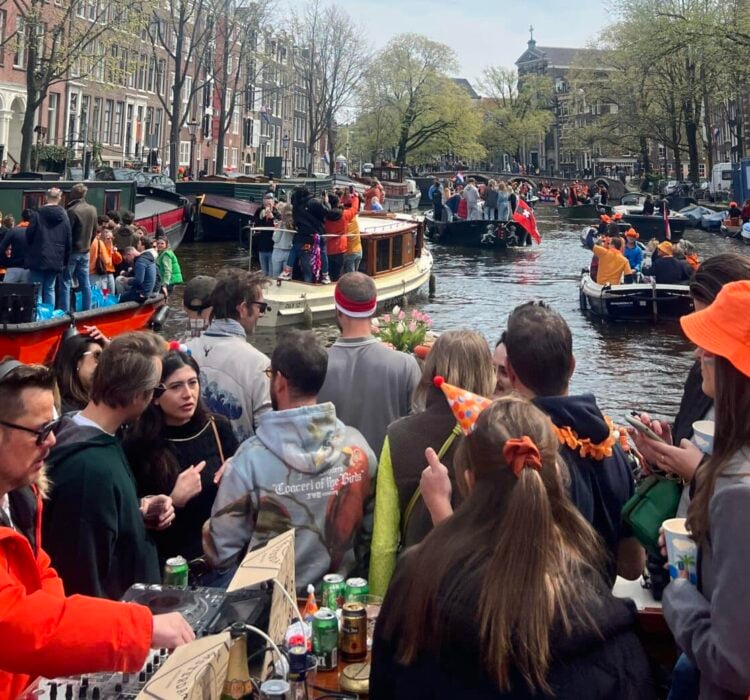
Amsterdam’s museums are crowded because the city receives a disproportionately high number of tourists relative to its compact size, with over 20 million annual visitors concentrated in a historic centre spanning just 8 square kilometres. This density creates bottlenecks at major attractions, particularly during peak seasons and weekends.
Several factors compound the crowding issue. Amsterdam Schiphol Airport serves as a major European hub, making the city an easy stopover destination. The rise of budget airlines and short city breaks has increased visitor numbers dramatically since 2010. Additionally, cruise ships docking at IJmuiden bring thousands of day-trippers who have limited time and gravitate toward the most famous sites.
The museums themselves have physical limitations. The Anne Frank House can only accommodate a certain number of visitors due to the narrow historic building. The Rijksmuseum, while larger, still experiences congestion around signature works like The Night Watch. Social media has intensified the phenomenon, as visitors prioritise photographing the same iconic pieces they have seen online, creating clusters around specific artworks.
Local authorities have implemented various crowd management strategies, including timed entry tickets and dynamic pricing, but demand consistently outpaces supply at the most popular venues.
When Is the Best Time to Visit Popular Amsterdam Sites?
Early morning on weekdays, particularly Tuesday through Thursday, offers the best opportunity to visit Amsterdam’s popular sites with fewer crowds. Arriving when attractions open, typically between 9:00 and 10:00, allows you to experience major museums before tour groups arrive around midday.
Seasonal timing matters significantly. November through March, excluding the Christmas and New Year period, sees substantially fewer tourists than the summer months. January and February are particularly quiet, though some visitors find the shorter daylight hours limiting. Late September and early October offer a pleasant balance of manageable crowds and favourable weather.
For specific attractions, consider these patterns:
- Rijksmuseum: Least crowded in the first and last hours of operation
- Anne Frank House: Book tickets online well in advance, as same-day availability is rare
- Van Gogh Museum: Friday evenings extend hours and draw fewer visitors than weekend afternoons
- Canal district: Early morning walks before 9:00 offer peaceful views without crowds
The Amsterdam Light Festival, running from late November through mid-January, provides a compelling reason to visit during the quieter winter season while experiencing the city’s canals illuminated by international art installations.
How Can You Experience Amsterdam’s Highlights Without the Crowds?
Exploring Amsterdam by water offers the most effective way to experience the city’s highlights without battling museum queues and crowded streets. The canal network provides access to historic architecture, hidden neighbourhoods, and UNESCO-listed waterways that remain inaccessible to walking tours and largely untouched by mass tourism.
Beyond the canals, several strategies help discerning visitors avoid the crowds:
- Visit lesser-known museums like the Museum Van Loon or the Houseboat Museum for authentic Dutch history without the queues
- Explore the Jordaan neighbourhood’s small galleries and boutiques instead of the main shopping streets
- Book experiences with limited group sizes that prioritise quality over volume
- Choose early morning or evening time slots when day-trippers have departed
- Seek out local guides who know routes through smaller canals and quieter districts
The most memorable Amsterdam experiences often happen away from the obvious tourist trail. A quiet moment watching houseboats bob gently on the water, discovering a hidden courtyard, or learning about local history from someone who genuinely knows the city creates lasting impressions that no crowded museum queue can match.
How Pure Boats Helps You Experience Amsterdam Without the Crowds
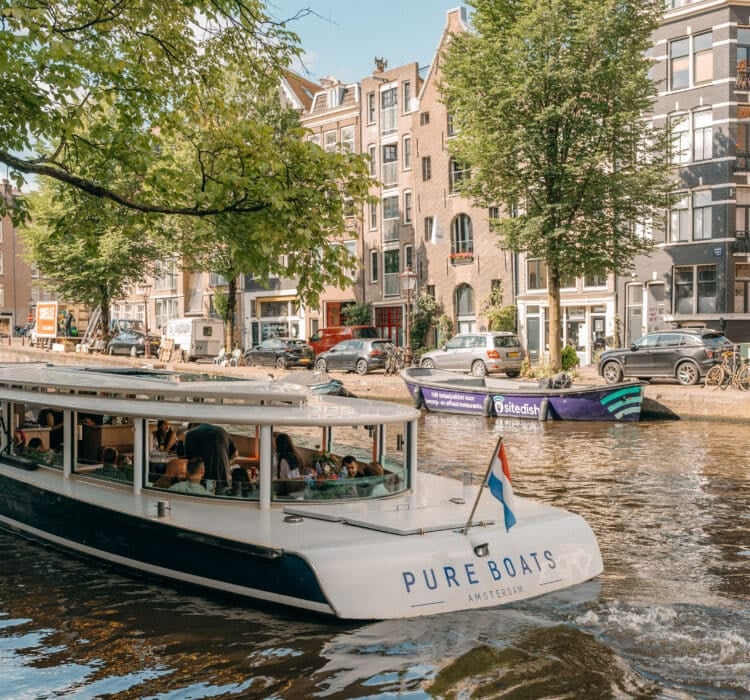
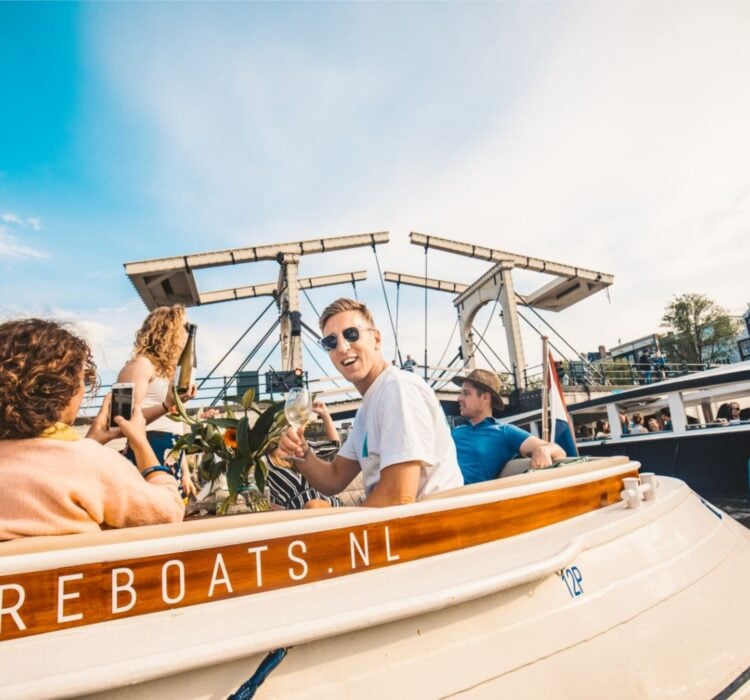
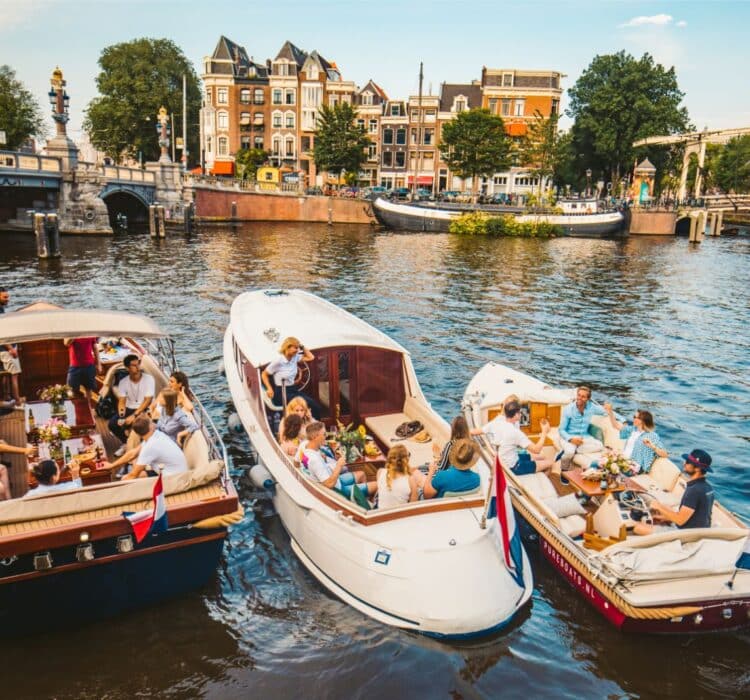
We offer a refined alternative to Amsterdam’s crowded attractions through our semi-private canal cruises aboard the Stan Huygens, the historic vessel once chartered weekly by Freddy Heineken himself. Rather than competing with thousands of visitors at major museums, our guests experience the city’s UNESCO-listed canals from the water, with thoughtful storytelling from knowledgeable hosts who share Amsterdam’s history, architecture, and hidden stories.
What makes our approach different:
- Small groups of limited guests ensure a calm, composed atmosphere
- Departures from Hotel De L’Europe place you in the heart of the city’s historic canal ring
- Our captains navigate smaller waterways where larger tour boats cannot go
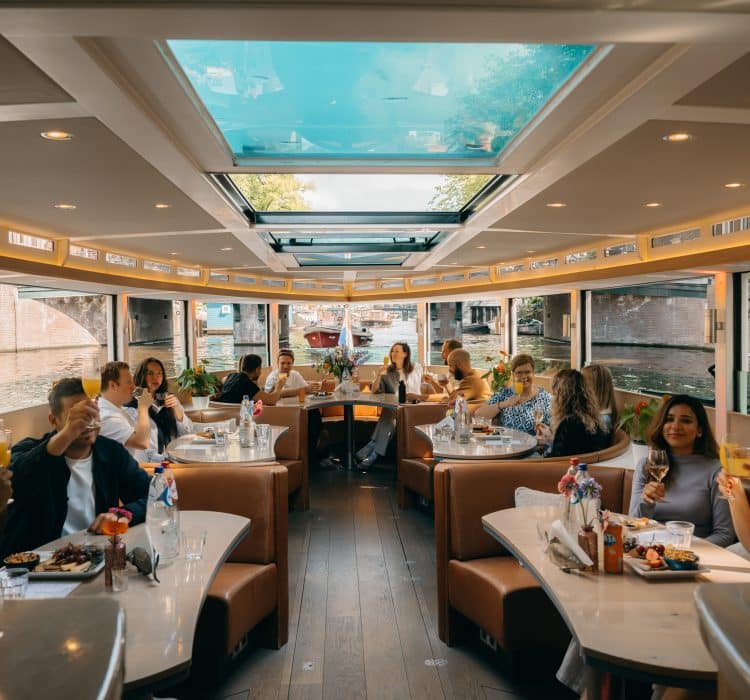
- Private booth seating options provide intimacy for couples or small groups seeking exclusivity
- Premium drinks and Dutch nibbles are included, eliminating the need to queue at cafes
Our semi-private premium cruise from Hotel De L’Europe starts from €62.50 per person for shared booth seating, or from €250 for a private cabin. For those seeking complete exclusivity, full private charters are available for celebrations and special occasions. Book your Amsterdam tour with us and discover the canals the way they were meant to be experienced.