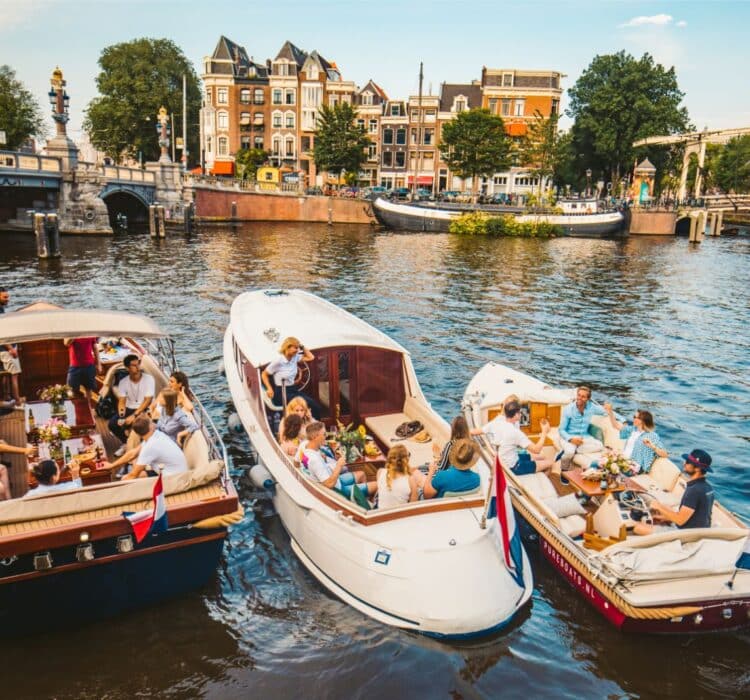
Planning an Amsterdam sightseeing trip means balancing the city’s most iconic experiences with enough time to actually enjoy them. First-time visitors should prioritise three to four days to comfortably see the main highlights, including a canal cruise, one or two world-class museums, and time to wander the historic neighbourhoods at a relaxed pace.
Amsterdam rewards those who resist the urge to cram everything into a single day. The city’s UNESCO-listed canal ring, vibrant neighbourhoods, and cultural treasures reveal themselves best when you allow space for spontaneous discoveries alongside planned attractions. Below, you will find answers to the questions most first-time visitors ask when planning their trip.
How Long Do You Need to See Amsterdam’s Main Highlights?
Three to four days is the ideal timeframe for first-time visitors to experience Amsterdam’s essential highlights without feeling rushed. This allows one day for the Museum Quarter, one day for canal exploration and the historic centre, and one to two days for neighbourhood wandering and local experiences.
With only two days, you can still cover the fundamentals: the Anne Frank House or the Rijksmuseum, a canal cruise, and a walk through the Jordaan. However, you will need to make difficult choices and accept that some attractions will remain for a future visit.
If you have a full week, Amsterdam reveals its deeper layers. You can venture beyond the centre to neighbourhoods like Amsterdam Noord, spend a morning at the Albert Cuyp Market, and take a day trip to nearby Zaanse Schans or Haarlem. The city’s compact size means you will never waste time on lengthy commutes between attractions.
Consider these time allocations for major attractions:
- Rijksmuseum: 2 to 3 hours minimum, longer for art enthusiasts
- Van Gogh Museum: 1.5 to 2 hours
- Anne Frank House: 1 to 1.5 hours (book well in advance)
- Canal cruise: 1 to 2 hours depending on the experience
- Vondelpark stroll: 1 hour
What Are the Best Neighbourhoods to Explore on a First Visit?
The Jordaan, the Nine Streets, and the Museum Quarter are the three neighbourhoods first-time visitors should prioritise. Each offers a distinct character while remaining walkable from the Central Station, making them perfect for experiencing Amsterdam’s diversity in a single trip.
The Jordaan
Once a working-class district, the Jordaan has transformed into one of Amsterdam’s most charming areas. Narrow streets lined with independent boutiques, cosy brown cafes, and hidden courtyards called hofjes create an atmosphere that feels authentically local. Saturday mornings bring the Noordermarkt farmers’ market, where you can sample Dutch cheeses and fresh stroopwafels while browsing antiques.
The Nine Streets
Connecting the main canals, the Negen Straatjes offer a concentrated dose of Amsterdam’s boutique shopping and cafe culture. These nine small streets house vintage clothing shops, speciality cheese stores, and some of the city’s best independent coffee roasters. The area works brilliantly as a walking route between the Jordaan and the flower market.
The Museum Quarter
Beyond the obvious museum attractions, this neighbourhood surrounding Museumplein rewards exploration. The leafy streets of Oud-Zuid feature elegant townhouses, upscale dining options, and the peaceful expanse of Vondelpark. After a morning at the Rijksmuseum, a picnic in the park provides the perfect counterbalance.
Should You Book a Canal Cruise or Walk the Canals?
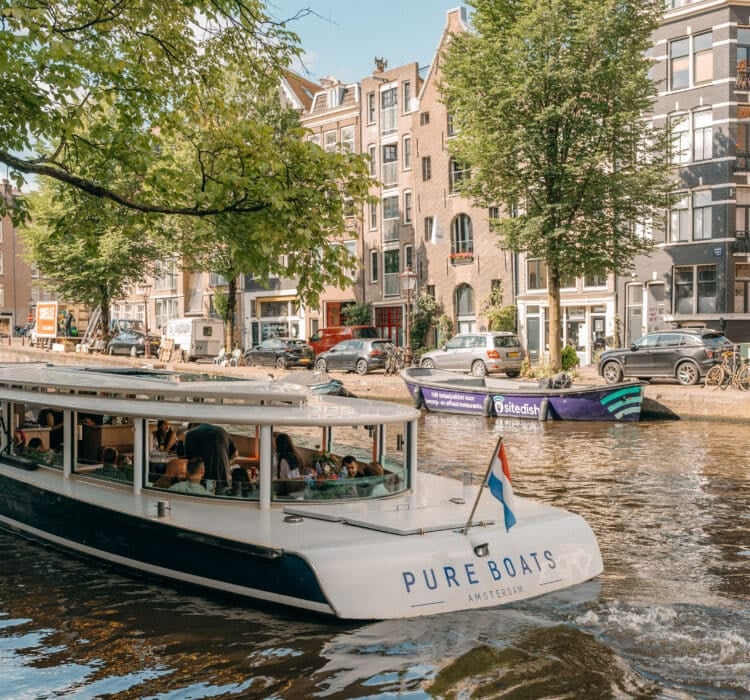
Both experiences offer distinct perspectives, but a canal cruise provides views and access impossible to replicate on foot. From the water, you see the canal houses as they were designed to be seen, notice architectural details hidden from street level, and access narrow waterways where pedestrians cannot follow.
Walking the canals remains essential for absorbing the neighbourhood atmosphere, popping into shops, and photographing the iconic bridges. However, the canal perspective reveals why Amsterdam earned its UNESCO World Heritage status. The 17th-century merchants who built these houses positioned their ornate gables to impress visitors arriving by boat, and that remains the optimal viewing angle today.
The quality of canal cruises varies dramatically. Large tour boats pack dozens of passengers into rigid seating with pre-recorded commentary, offering little more than transportation with a view. Smaller vessels with knowledgeable guides can navigate the more intimate canals, share genuine local stories, and create space for conversation rather than passive observation. For a more refined experience, consider the semi-private premium cruise from Hotel De L’Europe that offers intimate small-group exploration.
For first-time visitors, the ideal approach combines both experiences: a quality canal cruise to understand the city’s layout and history, followed by walking exploration of the neighbourhoods that caught your attention from the water.
When Is the Best Time of Day to Visit Popular Amsterdam Attractions?
Early morning between 9am and 10am offers the best experience at Amsterdam’s most popular attractions, with significantly smaller crowds and better photo opportunities. Late afternoon after 4pm provides a second window when tour groups have departed and the golden hour light transforms the canals.
The Rijksmuseum and Van Gogh Museum see their heaviest crowds between 11am and 3pm. Booking the first available time slot gives you roughly an hour of relative peace before the rush begins. The Anne Frank House operates timed entry exclusively through advance booking, with early morning and evening slots typically selling out last.
For canal cruises, the time of day dramatically affects the experience. Morning cruises offer calm waters and clear light for photography. Late afternoon brings the warmth of golden hour reflecting off the canal houses. Evening cruises, particularly during the Amsterdam Light Festival in winter, reveal a completely different city illuminated against the dark sky.
Neighbourhood exploration follows different rules. The Jordaan and Nine Streets come alive mid-morning when shops open and cafes fill with locals. The Red Light District, if you choose to visit, feels less intense during daylight hours. Vondelpark reaches its most pleasant state on weekday afternoons when families and locals outnumber tourists.
What Local Experiences Do Most Tourists Miss in Amsterdam?
Most tourists miss the hidden courtyards called hofjes, the neighbourhood markets beyond the flower market, and the simple pleasure of drinking coffee at a local brown cafe without rushing to the next attraction. These quieter experiences often become the most memorable parts of an Amsterdam visit.
The hofjes scattered throughout the Jordaan and other historic neighbourhoods offer peaceful escapes from busy streets. Originally built as almshouses for elderly women, many remain residential but welcome respectful visitors. The Begijnhof near Spui is the most famous, but smaller hofjes throughout the Jordaan reward those who look for the unassuming doorways.
Food experiences extend far beyond the tourist-oriented pancake houses. The Albert Cuyp Market in the De Pijp neighbourhood serves freshly fried stroopwafels, raw herring the Dutch way, and Surinamese roti that reflects Amsterdam’s colonial history. Sunday mornings at Noordermarkt bring organic produce and artisanal breads alongside vintage finds.
The brown cafes, named for their tobacco-stained walls and dark wood interiors, provide windows into local life. Ordering a coffee or local beer and simply observing the neighbourhood regulars offers more cultural insight than many guided tours. Cafe ‘t Smalle in the Jordaan and Cafe Hoppe near Spui maintain authentic atmospheres despite their central locations.
Perhaps the most overlooked experience is simply slowing down. Amsterdam reveals its character to those who linger: the way light plays on canal water in late afternoon, the sound of church bells echoing across the water, the conversations overheard at market stalls. Rushing between attractions means missing what makes the city genuinely special.
How Pure Boats Helps with Amsterdam Sightseeing
We created our semi-private cruise specifically for travellers who want to experience Amsterdam’s canals without the crowds and scripted commentary of standard tours. Our approach transforms canal sightseeing from a checkbox activity into a genuine highlight of your Amsterdam visit.
What makes our experience different:
- Small groups aboard the Stan Huygens, the historic vessel once chartered weekly by Freddy Heineken himself
- Departure from Hotel De L’Europe, perfectly positioned in the heart of the city
- Thoughtful storytelling from our hosts rather than loud, scripted commentary
- Access to narrow canals where larger tour boats cannot navigate
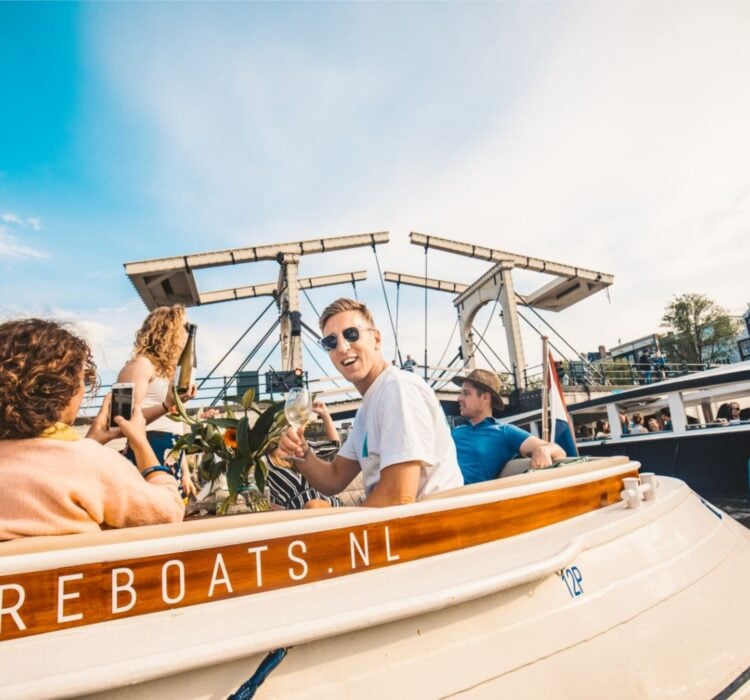
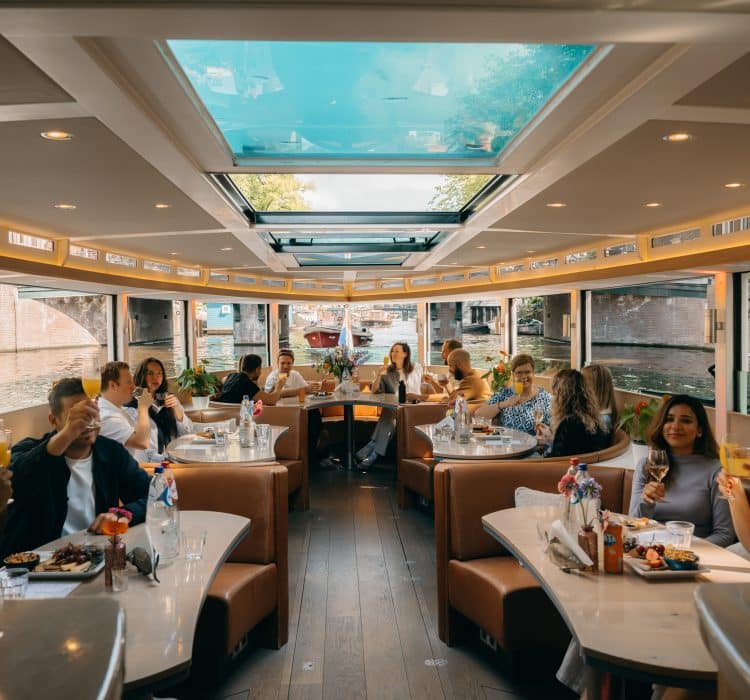
- Premium drinks and Dutch nibbles included throughout your 90-minute journey
- Private booth seating available for those seeking complete privacy
Our fully electric boats reflect our commitment to sustainability, allowing you to enjoy the canals while contributing to a cleaner Amsterdam. From €62.50 per person for shared seating or €250 for a private cabin, we offer an experience that matches the standards of your five-star hotel. Book your cruise and discover Amsterdam the way it was meant to be seen: from the water, at a relaxed pace, with space to truly appreciate this remarkable city.