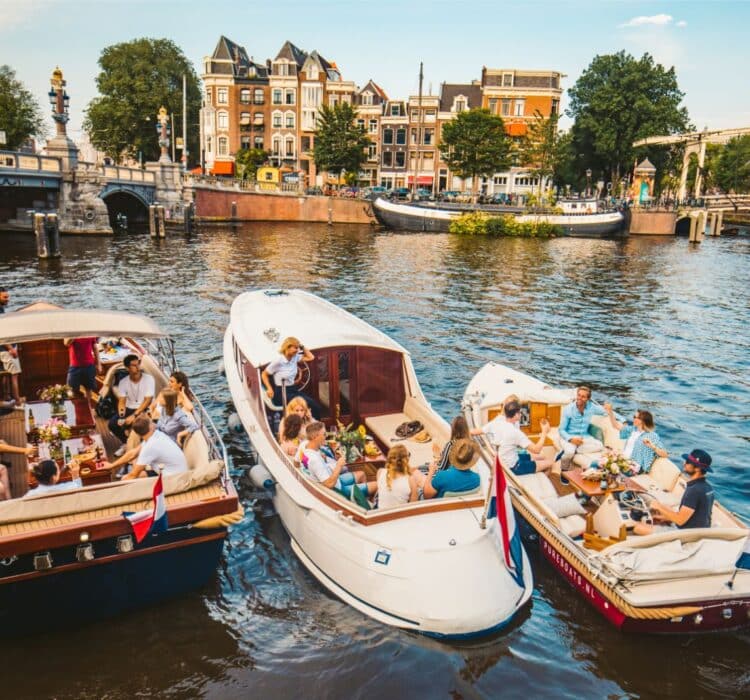
The best places to go in Amsterdam as a tourist in 2026 include the historic canal ring neighborhoods of Jordaan and the Nine Streets, the cultural powerhouses of Museumplein, and the atmospheric streets of De Pijp. These areas offer the richest combination of architecture, culture, and authentic local life within walking distance of each other.
What sets Amsterdam apart from other European capitals is how accessible everything feels. The city rewards both planned exploration and spontaneous wandering, with world-class museums sitting alongside hidden courtyards and canal-side cafes. Below, we answer the most common questions visitors have about navigating this compact but endlessly fascinating city.
What Are the Must-See Neighborhoods in Amsterdam?
The must-see neighborhoods in Amsterdam are Jordaan for its intimate canal streets and independent boutiques, the Nine Streets for curated shopping and cafes, De Pijp for its multicultural food scene, and the historic Canal Ring for UNESCO-listed architecture. Each neighborhood offers a distinct atmosphere within a 20-minute walk of Central Station.
Jordaan remains the quintessential Amsterdam experience. Once a working-class district, it now features narrow streets lined with art galleries, vintage shops, and brown cafes that have served locals for generations. The Saturday Noordermarkt farmers market brings the neighborhood to life with organic produce and antiques.
The Nine Streets, or De Negen Straatjes, connect the main canals with pedestrian-friendly lanes packed with independent designers, specialty cheese shops, and concept stores. This area rewards slow exploration, with each street revealing something unexpected.
De Pijp offers Amsterdam’s most diverse food scene. The Albert Cuyp Market stretches for blocks with Dutch stroopwafels alongside Surinamese roti and Turkish baklava. The surrounding streets feature some of the city’s best restaurants and a younger, more bohemian energy.
For architectural grandeur, the Canal Ring between Prinsengracht and Herengracht showcases the Golden Age merchant houses that earned Amsterdam its UNESCO World Heritage status. The gabled facades and hidden garden courtyards here tell the story of 17th-century prosperity.
How Can You Experience the Amsterdam Canals Beyond Walking?
The best ways to experience Amsterdam’s canals beyond walking include private boat tours, kayak rentals, canal-side dining, and cycling along the waterways. Seeing the city from water level reveals architectural details, hidden houseboats, and neighborhood rhythms invisible from the street.
A boat tour transforms your understanding of Amsterdam’s layout. From the water, you notice how bridges connect neighborhoods, how light plays across centuries-old facades, and why the Dutch call their capital the Venice of the North. The perspective shift is remarkable.
Private and Small-Group Cruises
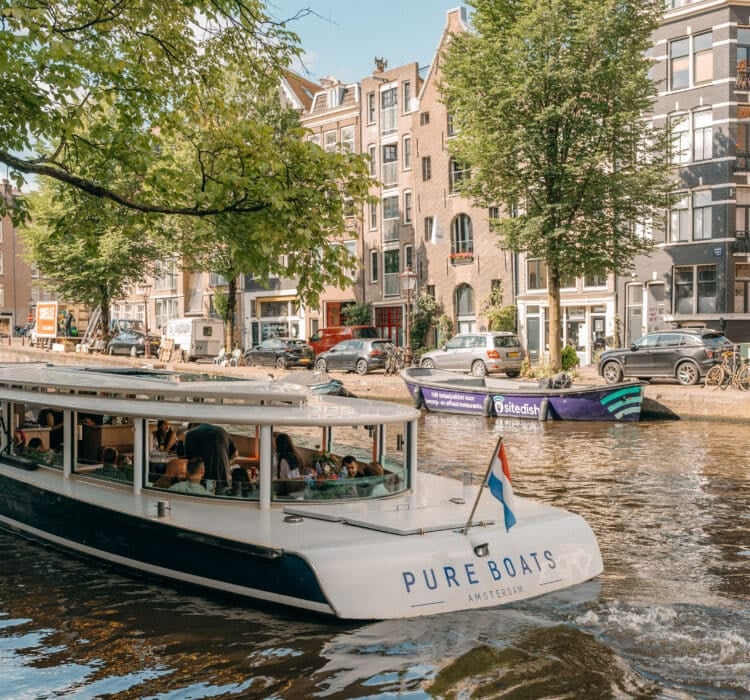
Private and small-group canal cruises offer the most refined water experience. Unlike large tour boats packed with dozens of passengers, intimate vessels navigate smaller waterways inaccessible to bigger craft. These routes pass through residential canals where locals wave from houseboats and cyclists pause on bridges.
The best small-group experiences feature knowledgeable hosts who share stories about Amsterdam’s history, architecture, and culture rather than scripted commentary. This conversational approach means you can ask questions about why Amsterdam houses lean forward or why locals never close their curtains.
Active Water Exploration
For those who prefer active exploration, kayak and paddleboard rentals let you set your own pace through quieter canal sections. Early morning paddles offer glassy water and empty waterways before the city wakes. Electric boat rentals provide another option for small groups wanting independence without the workout.
Canal-side dining extends the water experience onto land. Restaurants along Prinsengracht and Keizersgracht offer terrace seating where boats glide past at eye level. Sunset drinks on these terraces capture Amsterdam at its most atmospheric.
What Hidden Spots Do Locals Recommend in Amsterdam?
Locals recommend the Begijnhof courtyard for peaceful reflection, the Hortus Botanicus for botanical beauty, the Eastern Docklands for modern architecture, and the Westerpark area for creative spaces and waterfront dining. These spots see far fewer tourists while offering authentic Amsterdam experiences.
The Begijnhof, tucked behind an unmarked door off Spui square, reveals a medieval courtyard of tiny houses surrounding a private garden. Originally home to a Catholic sisterhood, this tranquil space feels centuries removed from the busy shopping streets just meters away.
Amsterdam’s Hortus Botanicus, one of the world’s oldest botanical gardens, provides a green escape in the city center. The historic greenhouses shelter tropical plants, and the garden cafe serves excellent coffee in a setting that feels like a secret.
The Eastern Docklands, or Oostelijk Havengebied, showcases Amsterdam’s contemporary side. Former harbor warehouses now house creative studios, and modern residential architecture lines artificial islands. The area offers waterfront cycling paths and restaurants without tourist crowds.
Westerpark and the adjacent Westergasfabriek, a converted gasworks, host weekend markets, outdoor festivals, and year-round dining in industrial spaces. Locals gather here for Sunday brunches and summer evening drinks, making it ideal for experiencing how Amsterdammers actually spend their free time.
Which Amsterdam Attractions Are Worth the Crowds?
The Rijksmuseum, Anne Frank House, and Van Gogh Museum are worth the crowds when visited strategically. These institutions offer irreplaceable experiences: world-class art collections, profound historical significance, and cultural context that defines Amsterdam’s identity. Early morning or late afternoon visits minimize wait times.
The Rijksmuseum houses Rembrandt’s Night Watch and Vermeer’s Milkmaid in galleries that underwent a decade-long restoration. The building itself, with its cathedral-like central hall, deserves attention beyond the masterpieces. Booking timed entry tickets weeks ahead ensures smooth access.
The Anne Frank House provides one of Europe’s most moving historical experiences. Standing in the actual Secret Annex where Anne wrote her diary creates an emotional impact no book or film can replicate. Online tickets release several weeks in advance and sell out immediately, so plan accordingly.
The Van Gogh Museum holds the world’s largest collection of the artist’s work, tracing his development from his dark Dutch period to vibrant French paintings. The chronological arrangement helps visitors understand his artistic journey and tragic story.
What to skip: the Red Light District offers little beyond gawking crowds, and the Heineken Experience appeals mainly to brand enthusiasts. Your time is better spent in neighborhoods where authentic Amsterdam reveals itself.
What’s the Best Way to Plan a Day in Amsterdam?
The best way to plan a day in Amsterdam is to choose one neighborhood or theme, start early at major attractions, leave afternoons for wandering, and end with a canal experience at golden hour. This approach prevents exhaustion while maximizing meaningful experiences over rushed checkbox tourism.
Morning hours belong to museums and popular sites. The Rijksmuseum opens at 9am, and arriving at opening means quieter galleries and better photos. By noon, crowds peak, making this the perfect time to shift to lunch and neighborhood exploration.
Afternoons reward unstructured wandering. Pick a neighborhood like Jordaan or De Pijp and simply walk, stopping at shops, cafes, and courtyards that catch your eye. Amsterdam’s compact size means you cannot get truly lost, and unexpected discoveries often become trip highlights.
Late afternoon through sunset is ideal for canal experiences. The light turns golden, the city relaxes into evening mode, and water reflections become magical. Whether from a boat, a canal-side terrace, or a bridge, this hour captures Amsterdam at its most photogenic.
A practical day might look like this: Rijksmuseum at opening, lunch in the Nine Streets, afternoon wandering through Jordaan, and a sunset canal cruise before dinner. This rhythm balances structure with spontaneity.
How Pure Boats Helps You Experience Amsterdam’s Canals
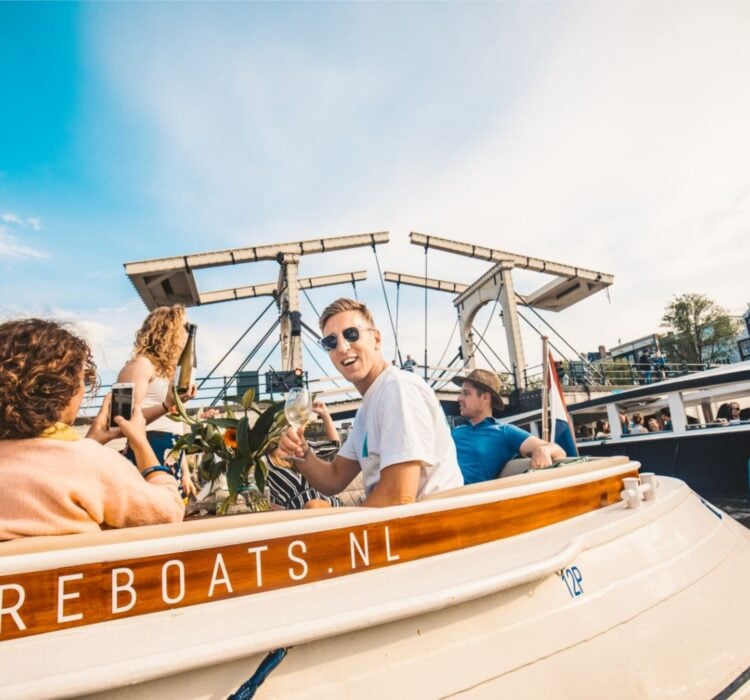
We offer a refined alternative to crowded tourist boats, providing intimate canal experiences aboard our collection of restored electric vessels. Our semi-private cruises departing from Hotel De L’Europe showcase why seeing Amsterdam from the water transforms your understanding of this city.
What makes cruising with us different:
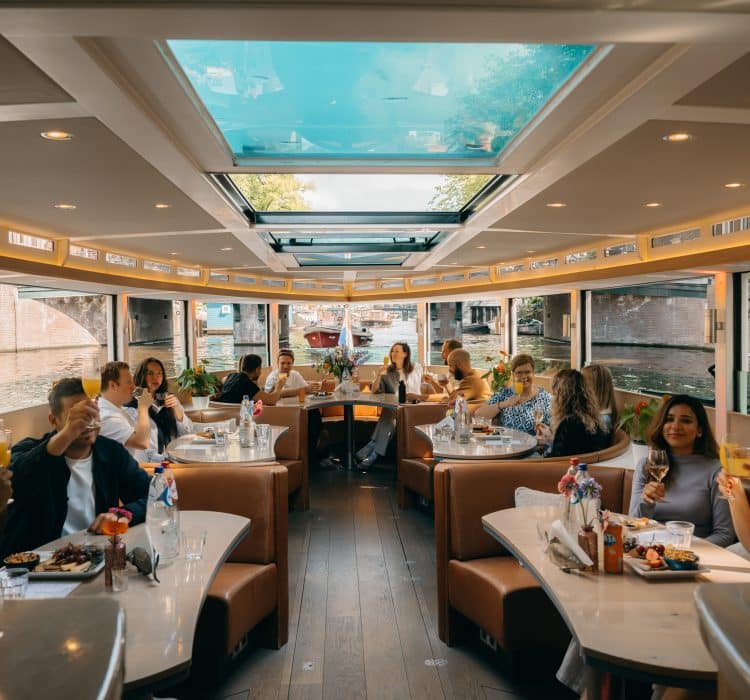
- Small groups of 6 to 24 guests maximum, allowing passage through narrow canals where larger boats cannot go
- Thoughtful storytelling from our hosts rather than scripted audio guides, with flexibility to explore what interests you
- Fully electric, sustainably restored boats including the Stan Huygens, once chartered weekly by Freddy Heineken himself
- Premium drinks and Dutch farmhouse cheese sourced from local producers
- Private booth options for guests seeking complete intimacy during their cruise
Our 90-minute semi-private cruise from Hotel De L’Europe starts at €62.50 per person, with private cabin seating available from €250. Book your Amsterdam tour on the water and experience the canals the way discerning travelers prefer: unhurried, personal, and genuinely memorable.