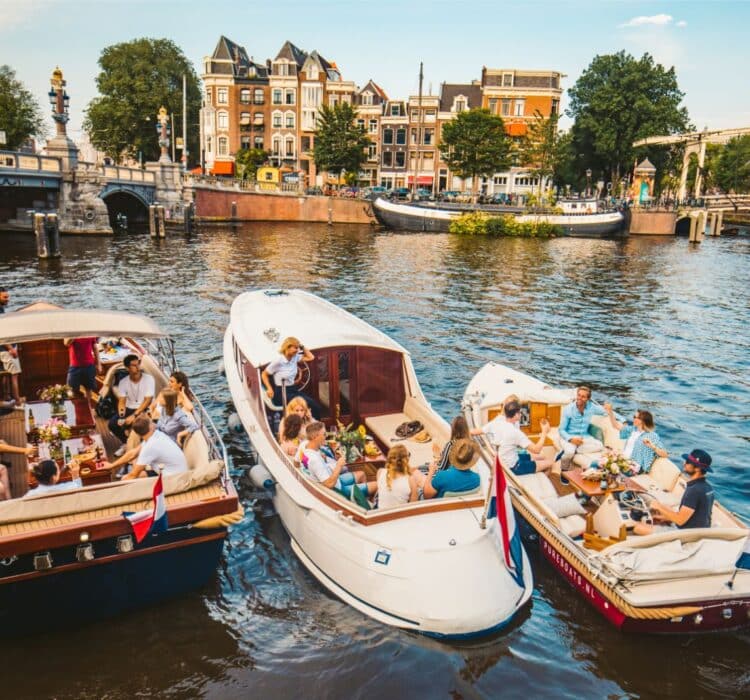
A boat is the best way to see the Amsterdam Light Festival because most light installations are designed specifically for the water, positioned along and above the canals where they can only be fully appreciated from a vessel. Many artworks are literally suspended over the waterways or placed at angles that make them invisible or distorted from bridges and streets.
The festival transforms Amsterdam’s UNESCO-listed canal ring into an open-air gallery each winter, with international artists creating illuminated sculptures that interact with the water’s reflections. This unique relationship between light, architecture, and canals creates an immersive experience that simply cannot be replicated from land. Below, we answer the most common questions about experiencing the Amsterdam Light Festival by boat.
Which Parts of the Light Festival Can You Only See From the Water?
Several Amsterdam Light Festival installations are exclusively viewable from the water, including artworks suspended directly above the canals, pieces positioned on private canal-side properties, and sculptures that use water reflections as an integral part of their design. These water-exclusive installations typically make up roughly half of each year’s route.
The festival curators deliberately commission artists to create works that engage with Amsterdam’s unique canal landscape. This means many pieces are intentionally placed where the water becomes part of the artwork itself. When light sculptures reflect off the dark canal surface, they effectively double in size and intensity, creating mirror images that transform a single installation into a dynamic, moving piece of art.
Some installations are mounted on the undersides of bridges, meaning you need to pass beneath them by boat to experience their full effect. Others are positioned in the narrow residential canals of the Jordaan and Grachtengordel neighbourhoods, where the streets are too narrow for proper viewing angles. From a boat, you glide directly underneath and alongside these works, experiencing them as the artists intended.
The festival route also passes through sections of the canal network that have no adjacent walking paths. These stretches of water are flanked by private gardens and historic warehouses, accessible only by vessel. The artworks placed in these locations reward boat passengers with completely unobstructed views that pedestrians simply cannot access.
How Close Can Boats Get to the Light Festival Installations?
Boats can pass within metres of most Amsterdam Light Festival installations, often gliding directly underneath suspended artworks. Unlike viewing from bridges or canal-side streets, where barriers and other spectators create distance, boat passengers experience the sculptures at intimate range with unobstructed sightlines.
The festival organisers work closely with the City of Amsterdam to position installations along navigable waterways. This collaboration ensures that the official boat routes pass through the heart of each artwork’s viewing zone. Captains who know the canals well can position their vessels at optimal angles, pausing briefly to let passengers absorb the full impact of each piece.
The proximity creates a sensory experience that photographs rarely capture. When you pass beneath a light sculpture spanning the canal, the colours wash over the boat and its passengers. The scale becomes apparent in a way that distant viewing cannot convey. Some interactive installations respond to movement or sound, and boats passing close enough can trigger these responses, making each viewing unique.
Water-level perspective also reveals details that are invisible from above. Many installations feature intricate elements near the waterline, designed to be discovered by those floating past. The combination of closeness, movement, and reflection creates what many visitors describe as the most memorable part of their Amsterdam sightseeing cruise during the winter months.
What Should You Expect on a Light Festival Boat Tour?
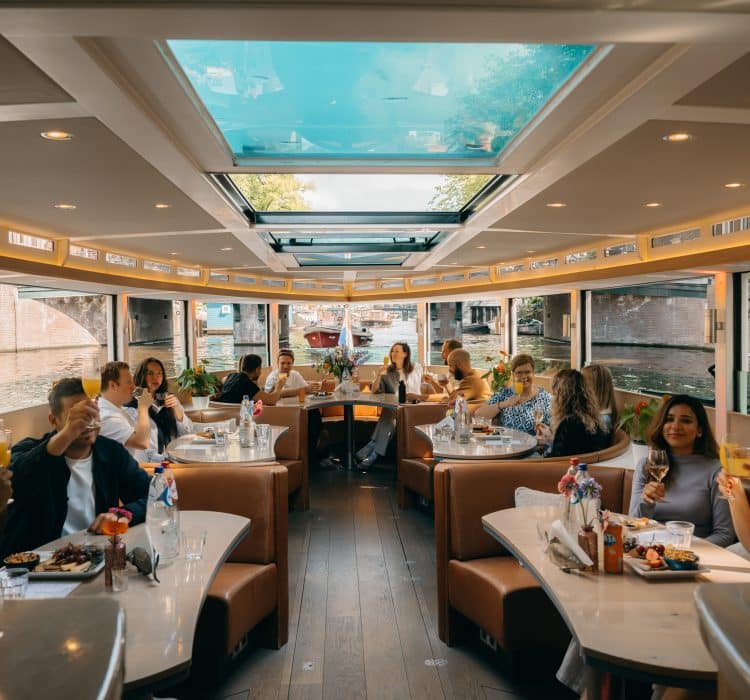
A Light Festival boat tour typically lasts 75 to 90 minutes and includes a guided journey through the illuminated canal route, live commentary about the artworks and Amsterdam’s history, and onboard refreshments ranging from hot drinks to full open-bar service depending on the tour type.
Tours depart from central Amsterdam locations, usually near Centraal Station or along the main canal belt. Once aboard, you settle into your seat as the boat glides away from the dock and into the festival route. The captain or host provides context for each installation, explaining the artist’s concept and pointing out details you might otherwise miss.
Shared Group Tours
Shared tours accommodate guests from different parties on the same boat. These Amsterdam canal cruises offer an affordable way to experience the festival while still enjoying quality service. You will share the vessel with other visitors, typically in groups of 20 to 40 depending on the boat size. The atmosphere is relaxed, and many guests find the shared experience adds to the festive mood.
Private Boat Experiences
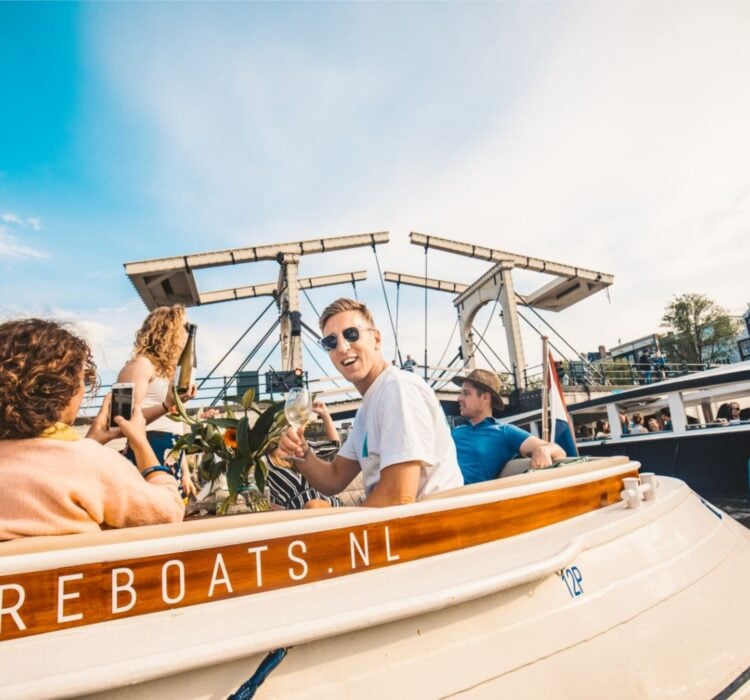
Private tours reserve the entire vessel for your group, creating an exclusive Amsterdam canal experience. This option suits celebrations, corporate gatherings, or anyone wanting a more intimate viewing. With a private booking, you control the pace, can request specific routes through smaller canals, and enjoy personalised attention from your captain. Many private tours include premium extras such as Dutch snacks, local craft beers, and European wines.
Regardless of tour type, dress warmly. Even heated boats benefit from layers, as you will want to move around and perhaps step outside for better photographs. The best tours provide blankets and serve warming drinks like mulled wine to keep passengers comfortable throughout the journey.
When Is the Best Time to Book a Light Festival Cruise?
The best time to book an Amsterdam Light Festival cruise is four to six weeks before your preferred date, particularly for weekend evenings and the holiday period between mid-December and early January. Popular time slots sell out quickly, and early booking secures your choice of boat and departure time.
The festival runs from late November through mid-January, with peak demand during the Christmas and New Year period. If you have flexibility, weekday evenings offer easier availability and a quieter atmosphere on the canals. The first and last weeks of the festival also tend to have more open slots, while the middle weeks see the heaviest traffic.
For private bookings, even earlier planning is advisable. Groups celebrating special occasions or corporate teams planning winter outings should enquire two to three months ahead, especially for larger vessels or specific dates. The most sought-after boats book up fast during festival season.
Weather rarely causes cancellations since the boats are designed for winter conditions, but it does affect the experience. Clear, cold nights produce the sharpest reflections and most dramatic light effects. Light rain or mist can add atmosphere, while heavy rain or strong winds occasionally lead to route modifications. Checking the forecast a few days before your cruise helps you dress appropriately and set expectations.
What Makes Electric Boats Ideal for Light Festival Viewing?
Electric boats are ideal for Light Festival viewing because they operate silently, produce no exhaust fumes, and create minimal wake, allowing passengers to fully immerse themselves in the illuminated artworks without engine noise or diesel smell disrupting the experience.
The silence matters more than you might expect. When a boat’s motor hums constantly, it creates background noise that competes with commentary and conversation. Electric propulsion eliminates this distraction entirely. As you glide beneath a glowing sculpture, the only sounds are the gentle lap of water against the hull and the murmur of fellow passengers appreciating the view.
The absence of exhaust is equally important during winter cruises. Diesel fumes tend to linger in cold, still air, and on a 90-minute tour, this becomes noticeable. Electric boats keep the air fresh, which matters when you are sharing an enclosed or semi-enclosed space with other guests. The experience feels cleaner and more pleasant from start to finish.
Environmental considerations also align with the festival’s artistic values. Many Light Festival installations address themes of sustainability, nature, and human impact on the planet. Viewing these works from a zero-emission vessel creates coherence between the message and the medium. Passengers can appreciate environmentally conscious art while knowing their transport matches that ethos.
Electric motors also allow for precise manoeuvring in tight spaces. Captains can position the boat exactly where they want without the lurching or revving that combustion engines require. This control means better viewing angles, smoother stops, and a more comfortable ride through Amsterdam’s narrower waterways where some of the most striking installations await.
How Pure Boats Enhance Your Light Festival Experience
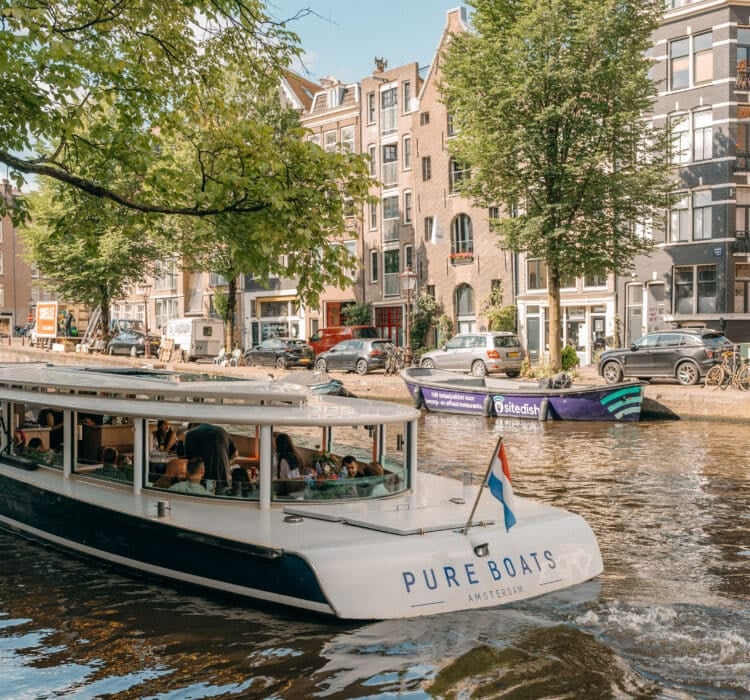
We offer Amsterdam Light Festival boat tours aboard our fleet of restored, fully electric canal boats, combining sustainable luxury with intimate group sizes for an unforgettable winter cruise.
- Small group tours with a maximum of 24 guests, ensuring personal attention and unobstructed views
- Handcrafted, heritage vessels designed by our in-house superyacht team, each with unique character
- Live commentary from knowledgeable captains who share stories about both the artworks and Amsterdam itself
- Onboard refreshments including mulled wine, Dutch snacks, and open-bar service featuring local craft beers and European wines
- Private cruise options for celebrations, corporate events, or anyone seeking an exclusive canal experience
Whether you are a local Amsterdammer hosting visiting friends, an expat celebrating a milestone, or simply seeking the finest way to experience the festival, our boutique approach delivers the Amsterdam canal cruise you deserve. Book your Light Festival tour and discover why a boat truly is the best way to see Amsterdam’s winter illuminations.